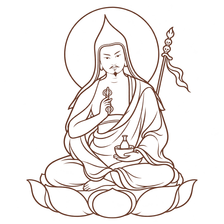
༄༅༅། །རྒྱ་གར་སྐད་དུ། མ་ཧཱ་ག་ན་པ་ཏི་ཏནྟྲ་ནཱ་མ། བོད་སྐད་དུ། ཚོགས་ཀྱི་བདག་པོ་ཆེན་པོའི་རྒྱུད་ཅེས་བྱ་བ།
The Tantra of Great Gaṇapati
印度语题名:Mahāgaṇapatitantranāma。藏语题名:《大众主续》。
འཇིག་རྟེན་དབང་ཕྱུག་ལ་ཕྱག་འཚལ་ལོ། །
Homage to Lokeśvara.
顶礼世自在。
第一章 成就出生
དེ་ནས་དཔལ་ལྡན་ཚོགས་བདག་ཆེ། །ཕྱག་འཚལ་དཔལ་ལྡན་ཚོགས་བདག་དགྱེས། །གཟུགས་བརྙན་མཎྜལ་གྲུ་བཞིར་བཞག །ཟླ་བ་དྲུག་ཏུ་མཆོད་པར་བྱ། །
After one has paid homage to glorious great Gaṇapati And glorious Gaṇapati is pleased, one should Place the statue in a square maṇḍala And perform the offering for six months.
继而,顶礼吉祥大众主, 令吉祥众主欢喜, 将其像安置于方形坛城, 作供养达六个月。
ལྷ་ཡི་འཁོར་ལོས་སྒྱུར་བ་དང་། །ཚེ་འདི་ཉིད་ལ་སྐལ་བ་མཉམ། །བསོད་ནམས་ཆེན་པོ་ཐོབ་པར་འགྱུར། །ལོངས་སྤྱོད་ལྷ་དང་མཉམ་པ་དང་། །
One will have the same good fortune in this life As a divine universal emperor. One will incur great merit. One’s wealth will equal that of the gods.
即于此生,福分等同 天界转轮王; 将获广大福德, 受用与诸天等同。
ཚེ་ཡང་རིང་བའི་མཆོག་ཏུ་འགྱུར། །མི་ལ་སོགས་པ་དབང་དུ་འགྱུར། །ལྷ་ཡི་བུ་ཡང་བྲན་བཞིན་འགྱུར། །བདག་གི་བསྒོ་བ་ཉན་པར་འགྱུར། །
One’s lifespan will greatly increase. Humans and other beings will be under one’s control, And even the gods will become one’s servants And obey one’s commands.
寿命亦将极为长远, 人等皆将摄归自在; 甚至天子亦如奴仆, 听从自己的命令。
ཀླུ་ཡང་དེ་ཡི་བསྒོ་བ་ཉན། །བྲན་བཞིན་ལས་རྣམས་བྱེད་པར་འགྱུར། །ལྷ་ཡི་ལོངས་སྤྱོད་མངའ་རིས་ལས། །འདོད་པའི་ལོངས་སྤྱོད་འབྱུང་བར་འགྱུར། །
The nāgas will also obey one’s commands And accomplish any task like servants. The pleasure one will experience will be Greater than the pleasures of the god realms.
诸龙亦听从其命令, 如奴仆般成办诸事; 从天界受用的领地, 出生所欲的种种受用。
དངོས་གྲུབ་སྒྲུབ་པའི་སྐལ་བ་ཅན། །གདུལ་བྱའི་དབང་གི་སྐུ་སྤྲུལ་པ། །ལྷ་ཆེན་ཚོགས་བདག་ཆེན་པོས་བྱ། །དངོས་གྲུབ་དམ་པ་མཆོག་སྒྲུབ་ན། །
The great deity Great Gaṇapati will create Emanation bodies that consecrate fortunate Disciples who have attained siddhi. When one attains the highest supreme siddhi,
为有缘修得成就的 所化者,依其需要化现身形, 大天、大众主将如是作。 若修得最上殊胜成就,
མཐུ་སྟོབས་ཕུན་སུམ་ཚོགས་ལྡན་ཞིང་། །ལོངས་སྤྱོད་ཡིད་བཞིན་འཕེལ་བར་བྱེད། །འཇིག་རྟེན་ཕན་མཛད་ལྷ་ཡི་ལྷ། །གང་གིས་མཆོད་པ་དངོས་གྲུབ་ཡིན། །
One becomes extremely powerful, and it Increases wealth like a wish-fulfilling jewel. The person who performs this offering to the benefactor Of the world, the god of gods, will attain siddhi.
便具足圆满威力, 令受用如意增长; 凡供养此利益世间、 天中之天者,即得成就。
ལྷ་ཆེན་ཚོགས་ཀྱི་བདག་པོའི་རྒྱུད་ལས་དངོས་གྲུབ་འབྱུང་བ་ཞེས་བྱ་བའི་ལེའུ་སྟེ་དང་པོའོ།། །།
This is chapter 1 in “The Tantra of the Great Deity Gaṇapati,” “The Arising of Siddhi.”
《大天众主续》第一章,名“成就出生”。
第二章 开示本尊成就之密咒
དེ་ནས་དབེན་པའི་གནས་སུ་ནི། །དཀྱིལ་འཁོར་གྲུ་བཞི་དག་བྱ་སྟེ། །བ་ཡི་ལྕི་བས་ལེགས་པར་བྱུག །འཇམ་ཞིང་མཉེན་ལ་དབུས་མཐོ་བའི། །
Make a square maṇḍala In a secluded place as follows: Smear the ground with cow dung making it Smooth and soft, and place a statue of Gaṇapati
继而,于寂静处, 应作方形坛城; 以牛粪善加涂抹, 使之平滑柔软,中央隆起。
དབུས་སུ་ཚོགས་བདག་སྐུ་གཟུགས་བཞུགས། །མེ་ཏོག་དཀར་པོས་དེ་ལ་གཏོར། །བདག་ཉིད་གཅེར་བུར་བྱུང་བྱས་ཏེ། །ལོག་འདྲེན་གཟུགས་ཀྱིས་ཡང་དག་མཆོད། །
In the center of its raised middle section. Scatter white flowers on it, Get naked, adopt the form Of Vināyaka, and perform the offering.
于其中央安置众主像, 向其散撒白花; 自己脱去衣服, 以毗那夜迦之形如法供养。
བ་ར་ཏ་ཀ་ཟླ་བ་དྲུག །ཉིན་རེ་བཞིན་དུ་དུས་གསུམ་དུ། །གསང་སྔགས་བརྒྱ་ནི་རྩ་བརྒྱད་བཟླས། །ཡིད་ལ་རེ་བ་ཐམས་ཅད་རྫོགས། །
Adopt a six-month observance And perform 108 mantra recitations Three times each day. All one’s hopes will be fulfilled, and
持守禁行六个月, 每天三时, 念诵密咒一百零八遍, 心中一切希望皆得圆满。
བསམ་པ་ཐམས་ཅད་འགྲུབ་པར་འགྱུར། །ཨོཾ་ནི་བཀྲ་ཤིས་དཔལ་དང་ལྡན། །གསང་སྔགས་མགོ་ལ་གཞག་པར་བྱ། །ཡིད་བཞིན་ནོར་བུ་ལྟ་བུ་ཡི། །
Everything one wishes will come to pass. Place the glorious and auspicious syllable oṃ At the beginning of the mantra. Place the syllable that grants siddhi
一切所愿皆将成就。 具吉祥光荣的 〔梵文 oṃ · 藏文 ཨོཾ · 中文 嗡〕 字, 应置于密咒之首; 如如意宝一般——
དངོས་གྲུབ་སྟེར་བྱེད་ཡི་གེ་ཡང་། །དེ་འོག་གྲལ་ལ་གཞག་པར་བྱ། །ཉི་མ་ལྟ་བུའི་ཡི་གེ་ཡང་། །དེ་ཡི་རྗེས་ལ་བཀླག་པར་བྱ། །
Like a wish-fulfilling jewel Next in line. Recite the syllable that is Like the sun after that.
能赐成就的字, 亦应接续安置; 又应在其后, 诵出如太阳之字。
དེ་བཞིན་གཤེགས་པའི་མཚན་དང་པོ། །ཡི་གེ་མཆོག་ནི་བླང་བར་བྱ། །གསལ་བྱེད་ཡི་གེ་དང་པོ་ཡང་། །དེ་ཡི་མཇུག་ཏུ་བརྗོད་པར་བྱ། །
Use the first syllable Of the Tathāgata’s name. Recite the first consonant At the end of that.
应取如来名号之首的 最胜字; 又于其末, 诵出第一个辅音。
རིན་ཆེན་ཡི་གེ་སྭཱ་ཞེས་བྱ། །ལས་ཀྱི་ཡི་གེ་ཧཱ་ཞེས་བྱ། །དངོས་གྲུབ་འདོད་པས་གསང་སྔགས་བཟླས། །
Recite the precious syllable svā And the activating syllable hā. This is how one who seeks siddhi Should recite the secret mantra.
宝字名为 〔梵文 svā · 藏文 སྭཱ · 中文 斯瓦〕, 事业字名为 〔梵文 hā · 藏文 ཧཱ · 中文 哈〕; 求成就者,应诵此密咒。
ལྷ་ཆེན་དངོས་གྲུབ་སྒྲུབ་པའི་རྒྱུད་ལས་ལྷའི་དངོས་གྲུབ་ཀྱི་གསང་སྔགས་བསྟན་པའི་ལེའུ་སྟེ་གཉིས་པོའོ།། །།
This is chapter 2 in “The Siddhi Practice of the Great Deity,” “Instruction on the Mantra for the Deity’s Siddhi.”
《大天成就修持续》第二章,名“开示本尊成就之密咒”。
第三章 开示众主
དེ་ནས་ཚོགས་ཀྱི་བདག་པོ་བཤད། །ཚོགས་ཀྱི་བདག་པོ་སྐུ་མདོག་དཀར། །གླང་པོ་ཆེ་ཡི་མགོ་བོ་ཅན། །མཆེ་བ་ཡ་གཅིག་ཆག་པ་དང་། །
Ganapaṭi is described as follows: Gaṇapati’s body is white, He has the head of an elephant, And one of his tusks is broken.
继而,宣说众主: 众主身色洁白, 具有大象之头, 一根獠牙折断。
ཕྱག་གཡས་ལ་ཕུག་བསྣམས་པ། བྱི་བའི་གདན་ལ་བཅིབས་པ། རིན་པོ་ཆེས་སྐུ་བརྒྱན་པ། ཟླ་བ་ཚེས་པས་དབུ་བརྒྱན་པ།
He holds a radish in his right hand, He is mounted upon a rat, His body is adorned with jewels, and He is crowned with a crescent moon.
右手持萝卜, 骑于鼠座之上; 身以珍宝庄严, 头戴初月为饰。
འོད་གསལ་བ། འོད་ཟེར་འཕྲོ་བ། མདོག་བཟང་བ། ཁ་དོག་བཟང་བ། གསུས་པ་ཆེ་བ། རྒྱན་གྱིས་སྤུད་པའོ། །
He is radiant and sends forth rays of light. He has a beautiful complexion and color, a big belly, and is clad in jewelry.
明净,放射光芒,容色美好,色泽悦目,大腹,以诸饰庄严。
དངོས་གྲུབ་སྒྲུབ་པའི་རྒྱུད་ལས་ཚོགས་ཀྱི་བདག་པོ་བསྟན་པའི་ལེའུ་སྟེ་གསུམ་པའོ།། །།
This is chapter 3 in “The Tantra of Accomplishing Siddhi”, “A Description of Gaṇapati.”
《修持成就续》第三章,名“开示众主”。
第四章 一面四臂众主修法
དེ་ནས་སྐར་མ་རྒྱལ་གྱི་ཉིན་པར་མེ་ཏོག་དཀར་པོ་བླངས་ཏེ། ཚོགས་ཀྱི་བདག་པོའི་སྐུ་གཟུགས་བྲིས་ཏེ། ཁ་དོག་དཀར་པོ་གླང་པོ་ཆེའི་དབུ་ཅན། ཕྱག་གཡས་ན་ལ་ཕུག་བསྣམས་པ། གཡོན་ན་རིན་པོ་ཆེའི་ནོར་བུ་བསྣམས་པ། གསུས་པ་ཆེ་བ། རྒྱན་ཐམས་ཅད་ཀྱིས་བརྒྱན་པ། ཟླ་བ་དང་བྱི་བའི་ཁྲི་ལ་བཞུགས་པ་མཁས་པས་བྱའོ། །དེ་ལ་དཀྱིལ་འཁོར་གྱི་དབུས་སུ་བདག་ལ་ཞལ་ཕྱོགས་པར་བཞག་ལ། བདག་ཉིད་ལོག་འདྲེན་གྱི་གཟུགས་ཀྱིས་ཡང་དག་པར་མཆོད་དོ། །
A skilled person should pick white flowers on a day during the lunar month Puṣya and draw the image of Gaṇapati, depicting him with a white complexion and the head of an elephant, holding a radish in his right hand and a precious jewel in his left hand, with a big belly, adorned with all his ornaments, and seated on his throne atop a rat and a lunar disk. Then one should place the image in the center of the maṇḍala facing oneself, adopt the form of Vināyaka, and perform the offering.
继而,应在鬼宿日采白花,绘制众主形像:身色白,具象头,右手持萝卜,左手持珍贵宝珠,大腹,具一切庄严,坐于月轮及鼠座之上。应由善巧者制作。将其置于坛城中央,面向自己;自己以毗那夜迦之形如法供养。
ཚོགས་ཀྱི་བདག་པོ་ཞལ་གཅིག་ཕྱག་བཞི་པ་སྒྲུབ་པའི་ལེའུ་སྟེ་བཞི་པའོ།། །།
This is chapter 4, “The Practice of One-Faced, Four-Armed Gaṇapati.”
第四章,名“一面四臂众主修法”。
第五章 开示众主手印
དེ་ནས་དབང་ལྡན་གྱི་མཚམས་སུ་ཚོགས་ཀྱི་བདག་པོ་དཀར་པོ་གླང་པོ་ཆེའི་མགོ་ཅན། བྱི་བ་ལ་ཞོན་པ། མིག་གསུམ་པ། ཟླ་བ་ཕྱེད་པ་འཛིན་པ། གཡས་ན་ལ་ཕུག་དང་དགྲ་སྟ་འཛིན་པ། གཡོན་པ་ཏྲི་ཤཱུལ་དང་ཐོད་པ་འཛིན་པའོ། །
Gaṇapati is in the northeast. He has a white complexion, the head of an elephant, a rat for his mount, and three eyes. He wears a crescent moon. His right hands hold a radish and battle-axe, and his left hands hold a trident and skull bowl.
继而,于东北方安置白色众主:具象头,骑鼠,三眼,戴半月;右手持萝卜与战斧,左手持三叉戟与颅器。
ལག་པ་གཡོན་པ་ཁུ་ཚུར་བཅངས་པའི་མཛུབ་མོ་དང་གུང་མོ་བརྐྱང་ལ་མཛུབ་མོ་བཀུག་ལ་གུང་མོའི་ཚིགས་སུ་བཟུང་བར་བྱ་བ་ནི་ཚོགས་ཀྱི་བདག་པོའི་ཕྱག་རྒྱའོ། །
For the Gaṇapati mudrā, the left hand is clenched in a fist with the forefinger and middle finger extended and the forefinger is bent so that it grasps the joint of the middle finger.
左手握拳,伸出食指、中指,屈食指,使其握住中指的指节。此为众主手印。
ཚོགས་ཀྱི་བདག་པོའི་ཕྱག་རྒྱ་བསྟན་པའི་ལེའུ་སྟེ་ལྔ་པའོ།། །།
This is chapter 5, “A Teaching on Gaṇapati’s Mudrā.”
第五章,名“开示众主手印”。
第六章 开示大众主密咒
དེ་ནས་གསང་སྔགས་བསྟན་པ་ནི། །ཨོཾ་ནི་དཔལ་ལྡན་མགོ་ལ་བཞག །དེ་ནས་ཡིད་བཞིན་ནོར་བུ་ནི། །རིན་པོ་ཆེ་ཡི་ཡི་གེ་བྲི། །
The mantra is taught as follows: Place the glorious syllable oṃ at the beginning. Write the precious wish-fulfilling Jewel syllable after that.
继而,密咒开示如下: 先置吉祥 〔梵文 oṃ · 藏文 ཨོཾ · 中文 嗡〕 字, 随后写下 珍贵的如意宝字。
སྡེ་ཚན་གསལ་བྱེད་དང་པོ་ཡང་། །དེ་ཡི་རྗེས་སུ་བྲི་བར་བྱ། །དེ་བཞིན་གཤེགས་པའི་མཚན་དང་པོ། །དབྱངས་ཡིག་བརྒྱད་པས་མཛེས་པར་བྱ། །
The first consonant of the first class Should be written after that. Adorn the first letter of the Tathāgata’s Name with the eighth vowel.
在其后写下 字组的第一个辅音; 将如来名号的首字, 以第八个元音庄严。
གསལ་བྱེད་དང་པོའི་ཡི་གེ་ཡང་། །བློ་ཡིས་བླངས་ཏེ་ཡིད་ཀྱིས་བྲི། །སྡེ་ཚན་གསུམ་པས་གསུམ་པ་ལ། །དང་པོའི་བཞི་པ་སྦྱར་བར་བྱ། །
Bring the first consonant syllable To mind and mentally write it. Write the third member of the third class And the fourth of the first class.
又在心中取第一个辅音, 以意书写; 于第三组第三字, 配合第一组第四字。
སྡེ་ཚན་བདུན་པའི་གསུམ་པ་ལ། །གསུམ་པའི་དང་པོས་འོག་ཏུ་སྦྱར། །ཡིད་བཞིན་ནོར་བུའི་ཡི་གེ་ལ། །བཞི་པའི་ལྔ་པ་ཟླ་ལ་བཞག །
Write the third member of the seventh class, And add it after the first member of the third. The fifth member of the fourth class accompanies The wish-fulfilling jewel syllable, and is
于第七组第三字, 下配第三组第一字; 如意宝字与 第四组第五字相伴,
དབྱངས་ཡིག་གསུམ་པས་བརྒྱན་པར་བྱ། །བཞི་པའི་གསུམ་པས་དེ་ནས་བརྗོད། །དངོས་གྲུབ་བསྒྲུབ་པའི་ཡི་གེ་ནི། །དེ་ཡི་རྗེས་ལ་བྲི་བར་བྱ། །
Adorned with the third vowel. Then, pronounce the third of the fourth group, And write the syllable for Attaining siddhi after that.
并以第三个元音庄严。 随后说第四组第三字, 再于其后写下 能成办成就之字。
གསང་སྔགས་དྲག་པོའི་ཡི་གེ་ཡང་། །ཀུན་གྱི་མཐར་ནི་བརྗོད་པར་བྱ། །གསང་སྔགས་འདི་ཡི་དངོས་གྲུབ་ནི། །འཇིག་རྟེན་དབང་ཕྱུག་ཉིད་ཀྱིས་བྱིན། །
The fierce mantra syllable Is pronounced at the end of all of them. Lokeśvara himself grants The siddhi of this secret mantra.
又于一切字的末尾, 说出猛利密咒字; 此密咒之成就, 世自在亲自赐予,
དགོས་པ་ཐམས་ཅད་གྲུབ་པར་འགྱུར། །
It will fulfill every need.
一切所求皆将成就。
ཚོགས་བདག་ཆེན་པོའི་གསང་སྔགས་བསྟན་པའི་ལེའུ་སྟ་དྲུག་པའོ།། །།
This is chapter 6, “A Teaching on Great Gaṇapati’s Mantra.”
第六章,名“开示大众主密咒”。
第七章 开示名号密咒
དེ་ནས་གཞན་ཡང་གསུངས་པ་ནི། །དངོས་གྲུབ་ཐམས་ཅད་སྒྲུབ་པ་ཡི། །མཚན་གྱི་གསང་སྔགས་ཞེས་བྱ་བའི། །དངོས་གྲུབ་བསྒྲུབ་པའི་སྙིང་པོ་ནི། །
Now there is the additional teaching on The heart mantra for accomplishing siddhi Called the name mantra that Accomplishes all the siddhis.
继而,又作如下开示: 能成办一切成就、 名为“名号密咒”的 成就心咒——
དཔལ་དང་ཡཾ་གི་ཡི་གེ་སྟེ། །ཨོཾ་ཞེས་བྱ་བ་མགོ་ལ་བཞག །ཡིད་བཞིན་ནོར་བུའི་ཡི་གེ་ལས། །ཉི་མའི་ཡི་གེ་འོག་ཏུ་སྤྲས། །
Take śrī and the syllable yaṃ and place Them at the beginning where it says oṃ. Write the wish-fulfilling jewel syllable and Adorn it with the solar syllable after that.
吉祥与 〔梵文 yaṃ · 藏文 ཡཾ · 中文 样〕 之字, 将名为 〔梵文 oṃ · 藏文 ཨོཾ · 中文 嗡〕 者置于开头; 在如意宝字之后, 以太阳字庄严。
དབྱངས་ཡིག་དྲུག་པའི་འོག་ཏུ་སྦྱར། །ཐིག་ལེ་ནཱ་དས་བརྒྱན་པར་བྱ། །མཚན་གྱི་དང་པོའི་ཡི་གེ་ནི། །དེ་ཡི་རྗེས་ལ་བརྗོད་པར་བྱ། །
Write the sixth vowel next and Ornament it with a nāda and bindu. Pronounce the first syllable Of the name after that.
接续配合第六个元音, 以明点及那达庄严; 于其后, 诵出名号的首字。
བཞི་པའི་ལྔ་པ་དེ་ནས་སྦྱར། །ལྔ་པའི་དང་པོ་བྲི་བར་བྱ། །དེ་བཞིན་གཤེགས་པའི་མཚན་དང་པོ། །འབྱུང་བ་རླུང་གི་ཡི་གེ་ཡང་། །
Write the fifth member of the fourth group And then the first member of the fifth group. Write the first syllable of the Tathāgata’s name, The wind element syllable, and
继而配第四组第五字, 写第五组第一字; 如来名号之首字, 以及风大之字,
དབྱངས་ཡིག་བརྒྱད་པས་བརྒྱན་པ་ནི། །དེ་ཡི་རྗེས་ལ་བྲི་བར་བྱ། །ཞི་བའི་ཡིག་འབྲུ་གཉིས་པ་ཡང་། །ཀུན་གྱི་མཐར་ནི་བརྗོད་པར་བྱ། །
Ornament it with the eighth vowel After that. Pronounce the two pacification Seed syllables at the end.
以第八个元音庄严, 续写于后; 又于一切字末尾, 诵出息灾的两个种子字。
མཚན་གྱི་གསང་སྔགས་ཞེས་བྱ་བ། །འདོད་པ་ཐམས་ཅད་གྲུབ་བྱེད་ཡིན། །
The name mantra Accomplishes all one desires.
这名为“名号密咒”, 能成办一切所愿。
མཚན་གྱི་གསང་སྔགས་བསྟན་པའི་ལེའུ་སྟེ་བདུན་པའོ།། །།
This is chapter 7, “A Teaching on the Name Mantra.”
第七章,名“开示名号密咒”。
第八章 供养众主
དེ་ནས་གཞན་ཡང་བཤད་པར་བྱ། །སྐར་མ་རྒྱལ་གྱི་ཉིན་པར་ནི། །མེ་ཏོག་དཀར་པོའི་རྩ་བ་བླང་། །ཙནྡན་དཀར་པོ་དག་ལས་ནི། །
Now I will explain further. Pluck some white flowers by the root On a day during the lunar month of Puṣya. The statue of Gaṇapati should be
继而,再作宣说: 于鬼宿日, 连根采得白花; 应以纯白旃檀——
ཚོགས་ཀྱི་བདག་པོའི་སྐུ་གཟུགས་ནི། །མཐེ་བོང་གི་ནི་ཚད་ཙམ་བྱ། །གསུས་པ་ཆེལ་ཕྱག་བཞི་པ། །མཁས་པས་བྱས་ཏེ་ལེགས་པར་བྱ། །
Made by a skilled person Out of pure white sandalwood. It should be one thumb-length high, Have a big belly, four arms, and be well made.
制作众主身像, 大小约一拇指, 大腹、四臂, 由善巧者精心制作。
རིན་པོ་ཆེ་ཡི་སྣོད་དུ་གཞུག །དཀར་ཆེན་མངོན་པར་གསལ་བའི་ཚེ། །ནང་གི་ཆ་རིས་སྐུ་ཁྲུས་གསོལ། །གསལ་ཞིང་དང་ས་ལ་ཡིད་དུ་འོང་། །
Place it in a container made of precious materials. When the full moon is out, one should Clean the area inside, where the image is located, So that it is clean, sparkling, and beautiful.
放入珍宝所成的容器; 当满月显明之时, 为其中之像沐浴, 令其明亮、澄净、悦意。
དྲི་དང་ལྡན་པའི་བུམ་པ་ཡི། །མེ་ཏོག་དཀར་པོའི་དྲི་ཡི་ནི། །འདག་ཆལ་ལྡན་པས་ཁྲུས་བྱའོ། །དེ་ནས་དེ་མ་ཐག་ཏུ་ནི། །
Wash it with a vase containing Scented water and a cleaning solution Of perfume made of white flowers. Immediately after,
以盛有香水的瓶, 用白花香制成的 洁净液沐浴; 紧接着,
དཀྱིལ་འཁོར་དབུས་སུ་སྤྱན་དྲངས་ལ། །མེ་ཏོག་དཀར་པོ་དབུལ་བར་བྱ། །ལ་ཕུག་ལ་དུར་བཅས་པ་ཡི། །གཏོར་མ་ཆེན་པོའང་དེ་ནས་དབུལ། །
Invite him into the center of the maṇḍala And present the white flowers to him. Present him with a large bali offering Of radishes and laḍḍus,
迎请入坛城中央, 奉献白花; 继而奉献含有 萝卜与拉杜丸的大食子。
སྤོས་དང་དྲི་དང་མར་མེ་དང་། །ལྷ་བཤོས་དག་གིས་མཆོད་པར་བྱ། །
And then perform an offering with incense, Perfume, lamps, and divine foods.
以香、涂香、灯明, 以及天食作供养。
གསང་སྔགས་འདི་ལ་ཕུག་དང་། །ལ་དུ་དང་། ཆུ་དང་། དཀར་གསུམ་གྱི་གཏོར་མས་ཚོགས་ཀྱི་བདག་པོ་ལ་ཕུལ་ཏེ། སྤོས་དང་མེ་ཏོག་རྣམས་ཀྱང་དབུལ། དེ་ལྟར་བྱས་ན་ཕྱིས་བགེགས་བྱེད་པར་མི་ནུས་སོ། །
For the mantra, one should present a bali offering to Gaṇapati consisting of radishes, laḍḍus, water, and the three white offerings, and also offer incense and flowers. After it is performed in this way, nothing can pose an obstacle.
修此密咒时,以萝卜、拉杜丸、水及三白所作的食子奉献众主,亦献香与花。如是作已,往后障碍便不能为害。
ཚོགས་ཀྱི་བདག་པོ་མཆོད་པའི་ལེའུ་སྟེ་བརྒྱད་པའོ།། །།
This is chapter 8, “The Gaṇapati Offering.”
第八章,名“供养众主”。
第九章 开示成办成就的美食
དེ་ནས་ལ་ཕུག་ཅེས་བྱ་བ། །རོ་བརྒྱད་ལྡན་པའི་ཡུངས་མ་སྟེ། །ཟས་རྣམས་ཀུན་གྱི་མཆོག་ཀྱང་ཡིན། །རོ་མཆོག་བརྒྱད་དང་ལྡན་པ་ཡིན། །
The term radish refers to A mustard root with eight flavors That is the best of all foods And has the best flavors.
继而,所谓“萝卜”, 是具足八味的芥根, 亦是一切食物之最, 具有八种上妙滋味。
ཁ་དང་སྐྱུར་དང་བསྐ་བ་དང་། །མངར་དང་ཚ་དང་ལན་ཚྭའི་རོ། །བཞུན་དང་བྲོ་མཆོག་ཆེ་བ་ཡིན། །ནད་སྣ་བརྒྱད་ཀྱི་གཉེན་པོ་ཡིན། །
These are bitter, sour, astringent, Sweet, spicy, and salty flavors, As well as juicy and savory. They are antidotes to the eight types of illness.
苦、酸、涩, 甜、辛、咸味, 以及滋润、上妙鲜味, 能对治八类疾病。
མཁྲིས་པ་བད་ཀན་འདུས་པ་དང་། །ཁྲག་དང་ཆུ་སེར་མ་ཞུ་བ། །རླུང་དང་རིམས་ནད་ཀུན་ལ་ཕན། །འདི་འདྲ་བྱུང་བའི་ཁ་ཟས་མེད། །
They are helpful for all diseases and illnesses Related to bile, phlegm, a mixture of the two, Blood, lymph, indigestion, and wind. No other food compares to it.
对于胆、痰、二者混合, 血、黄水、不消化, 风与一切疫病都有益; 没有食物可与之相比。
ལྷ་རྣམས་ཀུན་གྱི་མཆུ་ཡང་འགུལ། །དངོས་གྲུབ་འགྲུབ་པའི་ཞལ་ཟས་ཡིན། །ཚོགས་ཀྱི་བདག་པོ་མཆོད་པར་བྱ། །ལ་དུ་ཞེས་བྱའི་ཞལ་ཟས་ནི། །
It can make even the lips of the gods quiver. It is the food that grants siddhi and One should offer it to Gaṇapati. The term laḍḍu refers to a type of food
甚至令诸天之唇欲动, 这是能成办成就的美食, 应以之供养众主。 所谓“拉杜”的美食,
མངར་གསུམ་འབྲས་བུ་གསུམ་པ་ནི། །དེ་བཞིན་ཞིམ་པའི་སྤོས་ཀྱིས་བྲན། །བག་ཟན་གྱི་ནི་རིལ་བུ་བྱ། །འོ་མ་མར་དུ་བཙོས་བྱས་ལ། །
Containing the three sweets and the three fruits, That is sprinkled with a delicious fragrance, Rolled into a dough ball, Boiled in milk and butter, and
含三甜、三果, 洒以芳美香料, 揉成面团丸子, 在乳与酥油中煮熟,
ཚོགས་པའི་གཏོར་མ་ཆེན་པོ་བྱ། །མར་དང་ཁུར་བ་མངར་གསུམ་དང་། །མཐུན་པའི་ཞལ་ཟས་སྣ་ཚོགས་ཀྱིས། །ཚོགས་བདག་ཆེན་པོ་མཆོད་པར་བྱ། །
Used as a great bali offering to the gaṇas. Offer it to Gaṇapati along with Various common foods such as Butter, pastries, and the three sweets.
作为献予众部的大食子; 以酥油、饼、三甜, 以及各种相宜的美食, 供养大众主。
དེ་ལྟར་ཚོགས་ཀྱི་བདག་པོ་ལའོ། །
These are the offerings to Gaṇapati.
如是供养众主。
ཚོགས་ཀྱི་བདག་པོའི་སྐུ་གཟུགས་ལག་པ་གཡས་པའི་མཐིལ་དུ་བཞུགས་ལ། སེམས་གཞན་དུ་མ་ཡེངས་པར་བཟླས་བརྗོད་འབུམ་བྱས་ལ། ལ་ཕུག་ལ་སྔགས་ཀྱིས་བཏབ་སྟེ་ཚོགས་ཀྱི་བདག་པོ་མཆོད་ན་ཚེ་འདི་ཉིད་ལ་འཁོར་ལོས་སྒྱུར་བའི་རྒྱལ་པོ་དང་བསོད་ནམས་མཉམ་པར་འགྱུར་རོ། །མེ་ཏོག་དཀར་པོས་མཆོད་ན་རྒྱལ་པོ་ལ་སོགས་པས་ཕམ་པར་མི་འགྱུར་རོ། །རྒྱལ་པོ་ལ་སོགས་པ་སྒྲུབ་པར་འགྱུར་རོ། །རྒྱལ་པོ་དང་བློན་པོ་ལ་སོགས་པ་བདག་གི་དབང་དུ་འདུས་པར་འགྱུར་རོ། །
Place the statue of Gaṇapati in the palm of your right hand and recite the mantra one hundred thousand times without allowing your mind to wander. If one incants the radish with the mantra and offers it to Gaṇapati, one’s merit in this lifetime will equal to that of a universal emperor. If one offers white flowers, one will not be defeated by kings and the like. One will gain a high rank such as king, and kings, ministers, and others will be brought under one’s control.
将众主像安置于右手掌中,心不散乱他处,念诵十万遍。若以咒加持萝卜,供养众主,即于此生,福德与转轮王等同。若以白花供养,便不会被国王等击败,能成就国王等高位,国王、大臣等也将摄归自己自在。
དངོས་གྲུབ་སྒྲུབ་པའི་ཞལ་ཟས་བསྟན་པའི་ལེའུ་སྟེ་དགུ་པའོ།། །།
This is chapter 9 on “A Description of the Food That Grants Siddhi.”
第九章,名“开示成办成就的美食”。
第十章 成就国王等
དེ་ནས་ཆོ་ག་བཤད་པར་བྱ། །དངུལ་ཞེས་བྱ་བའི་རིན་ཆེན་ལ། །ཚོགས་བདག་ཆེན་པོའི་གཟུགས་བྱས་ཏེ། །ཡིད་བཞིན་ནོར་བུ་ལག་ན་ཐོགས། །
Now I will present the ritual instructions. Make a statue of Great Gaṇapati Holding a wish-fulfilling jewel in his hands Out of the precious material known as silver.
继而,宣说仪轨: 以名为银的珍贵材料, 制作大众主像, 手中持如意宝。
དཀྱིལ་འཁོར་ཆེན་པོ་ཁྲུ་གང་ཚད། །རིན་ཆེན་མེ་ཏོག་དཀར་པོ་དགྲམ། །གསང་སྔགས་འབུམ་དུ་བཟླས་བྱས་པས། །ནད་དང་སྡུག་བསྔལ་ཞི་བར་འགྱུར། །
Make a maṇḍala measuring one cubit across And scatter precious stones and white flowers on it. Recite the mantra one hundred thousand times, And illness and suffering will be pacified.
作一肘量的大坛城, 陈布珍宝与白花; 念诵密咒十万遍, 疾病与痛苦皆将平息。
ཤེལ་དང་དུང་ལས་ཆོགས་བདག་སྐུ། །མཁས་པས་ཇི་ལྟར་འབྱོར་པར་བྱ། །སྡུག་བསྔལ་ཐམས་ཅད་སེལ་བར་འགྱུར། །རིན་ཆེན་ཤེལ་ལས་ཚོགས་བདག་སྐུ། །
A skilled person should make a Gaṇapati statue out of crystal And conch shell according to the following procedure. It will remove all types of suffering. Make the Gaṇapati statue
以水晶、海螺制众主像, 善巧者应量力制作, 能除一切痛苦。 以珍贵水晶作众主像,
མཐེ་བོང་གི་ནི་ཚད་ཙམ་བྱ། །སེ་ན་པྲ་ཞེས་བྱ་བའི་སྔགས། །རིག་པ་འབུམ་དུ་བཟླས་བྱས་ཏེ། །
One thumb-length in height Out of precious crystal, and Recite the senapra… vidyāmantra One hundred thousand times,
大小约一拇指, 名为 〔梵文 senapra · 藏文 སེ་ན་པྲ · 中文 塞纳钵惹〕 的咒, 其明咒应诵十万遍;
ཤེལ་གྱི་སྐུ་དེ་ཁྲུས་བྱས་ནས། །སྐར་མ་རྒྱལ་གྱི་ཉིན་པར་ནི། །བདག་ཉིད་ཤར་དུ་ཁ་བལྟས་ནས། །གོས་དཀར་གྱོན་ཏེ་ཁྲུས་བྱས་ལ། །
While polishing the crystal statue. Then, on a day during the lunar month Of Puṣya, one should face east, Put on white robes, wash, place one’s
沐浴此水晶像已, 于鬼宿日, 自己面向东方, 着白衣,沐浴,
ཐལ་སྦྱར་ཡིད་ཀྱིས་གསོལ་བ་གདབ། །བདག་ལ་གནོད་པའི་བགེགས་གང་ཡིན། །ཤེལ་གྱི་སྐུ་དེ་མེ་ལོང་སྟེང་། །མི་གཡོ་མི་འགུལ་རབ་ཏུ་བཞུགས། །
Hands together, and mentally supplicate the deity. If some obstructing being is causing one harm, One should place the crystal statue on top of A mirror so that it does not move or wobble.
合掌,心中祈请。 无论何种障碍正在害己, 皆将水晶像安于镜上, 稳固不摇、不动。
བདག་ཉིད་ཁྲུས་བྱས་ཤར་དུ་བལྟ། །ཛ་ར་པ་དང་རྐུན་མ་ནི། །གང་ཡིན་མེ་ལོང་ནང་དུ་འབྱུང་། །དེ་ཚེ་དེ་ཡི་ངོས་ཟིན་འགྱུར། །
Then one should bathe, face east, And the robber or spy Will appear in the mirror, And be identified.
自己沐浴,面向东方, 无论是奸细还是盗贼, 都会现于镜中, 此时便可认出其人。
ཚོགས་བདག་ཤེལ་གྱི་སྐུ་དེ་ནི། །མཆོད་པ་རབ་གསལ་ལེགས་བྱས་ལ། །ནཱ་ག་ཀུ་རུ་ཞེས་བྱ་བའི། །རིག་པ་འབུམ་དུ་བཟླས་བྱས་ན། །
If one recites the nāga kuru vidyā One hundred thousand times While making offerings and illuminating The crystal statue of Gaṇapati,
对该水晶众主像, 善作供养与明照, 将名为 〔梵文 nāga kuru · 藏文 ནཱ་ག་ཀུ་རུ · 中文 纳嘎 古鲁〕 的 明咒念诵十万遍,
ནད་དང་སྡུག་བསྔལ་གྱིས་ཉེན་ལ། །སྐུ་དེ་བསྟན་པ་ཙམ་གྱིས་ནི། །ནད་རྣམས་ཐམས་ཅད་སོས་པར་འགྱུར། །སྡུག་བསྔལ་ལས་ཀྱང་ཐར་བར་འགྱུར། །
Simply showing this statue to someone Afflicted by illness and suffering Will cure them of any illness And free them from suffering.
对于为疾病痛苦所逼者, 只要让其见到此像, 一切疾病便得痊愈, 亦从痛苦中解脱。
ཞི་བ་ཆེན་པོའི་ཆོ་ག་ཡིན། །
That is the great pacification ritual.
此为大息灾仪轨。
རིན་ཆེན་གསེར་ཞེས་བྱ་བ་ལ། །ཚོགས་བདག་ཆེན་པོའི་སྐུ་བྱས་ཏེ། །རྒྱལ་གྱི་ཉིན་པར་མིག་ཕྱེ་ནས། །མཆོད་པ་རབ་ཏུ་གནས་པ་བྱ། །
Make a statue of Great Gaṇapati Out of the precious gold. Open its eyes on a day during Puṣya, Make offerings to it and consecrate it.
以名为金的珍贵材料, 制作大众主像; 在鬼宿日为其开眼, 作供养及安住加持。
བ་ར་ཞེས་བྱའི་གསང་སྔགས་ནི། །འབུམ་ཕྲག་གཅིག་ཏུ་བཟླས་པ་ཡིས། །སྐུ་གཟུགས་བཞུགས་པའི་ཁྱིམ་དེར་ནི། །ནོར་རྣམས་ཐམས་ཅད་འཕེལ་བར་འགྱུར། །
Recite the vara mantra One hundred thousand times, And all the wealth of the household in which The statue resides will increase.
将名为 〔梵文 vara · 藏文 བ་ར · 中文 瓦惹〕 的密咒, 念诵十万遍, 安置此像的家宅, 其一切财物皆将增长。
གསེར་གྱི་ཚོགས་བདག་མཐོང་བ་ཡིས། །བགེགས་རྣམས་ཐམས་ཅད་ནོར་འབུལ་འགྱུར། །བགེགས་ཀྱིས་གནོད་པ་མི་ནུས་ཏེ། །རྒྱལ་པོ་བཞིན་དུ་མཆོད་པར་འགྱུར། །
When they see the golden Gaṇapati, Obstructing beings will give you riches. Obstructing beings will be unable to cause harm, And will present offerings fit for a king.
一切障碍见到金众主, 都将奉献财物; 障碍不能为害, 反会如对国王般作供养。
གསེར་གྱི་ཚོགས་བདག་གནས་པ་ཡི། །ས་ཕྱོགས་རིན་ཆེན་ཆར་པ་འབེབས། །གསེར་གྱི་ཚོགས་ཀྱི་བདག་པོ་ལ། །བགེགས་ཀྱི་རྒྱལ་པོ་ཐམས་ཅད་ཀྱིས། །
A rain of precious substances will fall in the Location where the golden Gaṇapati resides. All kings of obstructing beings will Give all their wealth
金众主所在之地, 将降下珍宝之雨; 一切障碍之王, 都向金众主——
ནོར་རྣམས་ཐམས་ཅད་འབུལ་བ་ཡིན། །བདག་ཉིད་ཕུན་སུམ་ཚོགས་པར་འགྱུར། །ཚོགས་ཀྱི་བདག་པོའི་སྐུ་གཟུགས་མཆོག །བྱས་པའི་ཡོན་ཏན་རྣམས་ལ་ནི། །
To the golden Gaṇapati, And one will become wealthy. The qualities that constitute a Superior Gaṇapati statue are
奉献一切财物, 自己便获圆满。 制作上妙众主像的 功德有:
གནོད་སྦྱིན་རྣམས་ཀྱིས་གཏེར་ཁ་འབྱེད། །སྐྱེ་བ་འདི་དང་ཕྱི་མ་ལ། །རྟག་ཏུ་ཡོ་བྱད་འཕེལ་བར་འགྱུར། །ནོར་གྱི་བདག་པོ་རྣམ་ཐོས་བུས། །
That it reveals treasures concealed by yakṣas, It will ensure one’s possessions always increase In this life and in future lives, and It causes the lord of wealth, Vaiśravaṇa,
夜叉开启宝藏, 今生与后世, 资具常得增长, 财富之主毗沙门,
རྒྱལ་པོ་བཞིན་དུ་བསྙེན་བཀུར་བྱེད། །དེ་ནས་དཔལ་ལྡན་ཚོགས་བདག་གི། །སྐུ་གཟུགས་དཀྱིལ་འཁོར་གྲུ་བཞིར་གཞག །བྷ་ག་ཞེས་བྱའི་གསང་སྔགས་ནི། །
To honor one like a king. Place the statue of glorious Gaṇapati In a square maṇḍala. Recite the bhaga mantra
如奉国王般承事供养。 继而,将吉祥众主像, 安置于方形坛城; 将名为 〔梵文 bhaga · 藏文 བྷ་ག · 中文 巴嘎〕 的密咒——
བཟླས་པ་འབུམ་དུ་བྱས་པ་ཡིས། །ཚེ་དེ་ཉིད་ལ་དངོས་གྲུབ་ནི། །ཅི་འདོད་པ་ནི་སྦྱིན་པར་མཛད། །ལྷ་ཡི་རྒྱལ་པོའི་མངའ་ཐང་ནི། །
One hundred thousand times, and One will attain siddhi in this life. It will grant whatever one desires, And the power of the king of gods
念诵十万遍, 即于此生赐予成就, 凡所欲求皆能赐予; 天王的威势,
སྒྲུབ་པ་པོ་ལ་སྩོལ་བར་མཛད། །ཤིན་ཏུ་ཐུགས་རྗེའི་བདག་ཉིད་པས། །དཔལ་ལྡན་ཚོགས་བདག་ཐུགས་རྗེ་ཅན། །ཐུགས་རྗེའི་ཕུང་པོས་དབུལ་བ་སྐྱོབ། །
Will be bestowed upon the practitioner. The compassionate glorious Gaṇapati and his Multitude of compassionate ones will protect one From poverty with their compassionate nature.
亦赐予修行者。 极具大悲体性的 吉祥悲悯众主, 以大悲聚救护贫穷。
ནོར་ལྷ་ཆེན་པོའི་བདག་ཉིད་འདི། །དར་རམ་རས་ལ་ལེགས་བྲིས་ཏེ། །རྒྱལ་གྱི་ཉིན་པར་སྤྱན་ཕྱེ་ནས། །གང་གི་ཁྱིམ་དུ་བཞུགས་པ་དེའི། །
Draw the Great God of Wealth On a piece of silk or a piece of cloth, Open its eyes on a day during Puṣya, And good fortune will come to the location
将这位大财神, 善绘于绸或布上, 在鬼宿日开眼; 安置于谁的家中,
ས་ཕྱོགས་དེ་ནི་བཀྲ་ཤིས་འགྱུར། །ཟངས་ལ་ཚོགས་བདག་ཆེན་པོའི་སྐུ། །མཁས་པས་ལེགས་པར་བཟོ་བྱས་ཏེ། །ཙནྡན་དམར་པོས་བྱུགས་པའི་སར། །
Of the household in which it is placed. A skilled person should make a well-crafted Gaṇapati statue out of copper. Place it on top of a maṇḍala
那一地方即获吉祥。 善巧者以铜, 精制大众主像; 于涂以红旃檀的地上,
མཎྜལ་སྟེང་དུ་ལེགས་པར་བཞག །བནྡུ་ཀ་ཡི་མེ་ཏོག་དང་། །པདྨ་རཱ་ག་རིན་ཆེན་དང་། །མེ་ཏོག་དམར་པོ་ཀུན་གྱིས་མཆོད། །བྲཾ་ཞེས་བྱ་བའི་རིག་སྔགས་བཟླས། །
On ground that has been smeared with red sandalwood. Make an offering of bandhūka flowers, Rubies, and all manner of red flowers While reciting the bruṃ vidyāmantra,
将其妥置坛城之上, 以 bandhūka 花、 红宝石, 及一切红花供养; 念诵名为 〔梵文 braṃ · 藏文 བྲཾ · 中文 布惹姆〕 的明咒,
རྒྱལ་པོའི་བུ་མོ་དབང་དུ་འགྱུར། །ལྷ་ཡི་བུ་མོ་ཀླུ་མོ་དང་། །མིའམ་ཅི་ཡི་བུ་མོ་དང་། །བྲམ་ཟེའི་བུ་མོ་མཚན་ལྡན་མོ། །
And one will enthrall a king’s daughter, A goddess, a female nāga, A kinnara’s daughter, Or a reputable brahmin’s daughter.
国王之女、 天女、龙女、 紧那罗之女, 具足德相的婆罗门之女,皆将被摄服。
མཆོག་ཏུ་གཟུགས་བཟང་གུས་པར་འགྱུར། །བྲན་མོ་བཞིན་དུ་བསྒོ་བ་ཉན། །དེ་ལ་སོགས་པ་མཐའ་ཡས་མཆོག །སྐུ་གཟུགས་དག་ལ་བརྟེན་ཏེ་འགྲུབ། །
She will be extremely beautiful, respectful, And will obey your command like a servant. Relying upon immeasurably superior Statues such as these can allow one to
她容貌极美,恭敬, 如婢女般听从命令。 如是等无量上妙之事, 依于这些身像即能成就,
མཆོད་པ་ཙམ་གྱིས་འབྱུང་བ་ཡིན། །གཞན་ཡང་ཚོགས་བདག་ཆེན་པོའི་སྐུ། །རིན་པོ་ཆེ་ཡི་རྒྱུ་ལས་བྱས། །དཀྱིལ་འཁོར་སྟེང་དུ་བཞུགས་བྱས་ཏེ། །
Gain siddhis simply by making offerings. Make a statue of Gaṇapati Out of precious materials And place it on top of the maṇḍala.
仅作供养便能出生。 又以珍宝材料, 制作大众主像, 将其安于坛城之上。
རཏྣ་སིདྡྷི་ཞེས་བྱ་བའི། །རིག་པ་འབུམ་དུ་བཟླས་པར་བྱ། །ས་འོག་གཏེར་རྣམས་སྟོན་པར་འགྱུར། །ཅི་དགའ་བར་ཡང་སྤྱོད་པར་འགྱུར། །
Recite the ratnasiddhi vidyā One hundred thousand times, And it will allow one to discover buried treasures And indulge in whatever one desires.
将名为 〔梵文 ratnasiddhi · 藏文 རཏྣ་སིདྡྷི · 中文 惹德纳悉地〕 的 明咒念诵十万遍, 便能显出地下宝藏, 随其所喜而受用。
ཚོགས་བདག་ཆེན་པོའི་རྒྱུད་ལས་རྒྱལ་པོ་ལ་སོགས་པ་སྒྲུབ་པའི་ལེའུ་སྟེ་བཅུ་པའོ།། །།
This is chapter 10 in “The Tantra of Great Gaṇapati,” “Practices for Becoming a King and the Like.”
《大众主续》第十章,名“成就国王等”。
第十一章 大众主坛城
དེ་ནས་དཔལ་ལྡན་ཚོགས་བདག་ཆེ། །དྲག་པོ་ཆེན་པོ་དྲག་ཤུལ་ཅན། །སངས་རྒྱས་ཐུགས་ལ་བྱོལ་སོང་དབུ། །གླང་ཆེན་གཞོན་ནུས་ཞལ་བརྒྱན་པ། །
Glorious Great Gaṇapati is Very fierce with a fierce grimace. He has the heart of a buddha, the head of an animal, And the face of a young elephant
继而,吉祥大众主, 极其猛利,具忿怒相, 内具佛心,外为兽头, 以幼象之面庄严。
སྤྱན་གསུམ་མཆེ་བ་བཞི་དང་ལྡན། །ཕྱག་བཞི་ཞབས་བཞི་ཀླུ་ཆེན་ལྡན། །དང་པོ་མཆེ་བ་དཀར་པོ་འཛིན། །དེ་འོག་ཞགས་པ་གཡོན་པ་ན། །
With three eyes and four tusks. He has four arms, four feet, and bears a large nāga. The first hand holds a white tusk, and The hand below it holds a noose. The left hands
具三眼、四獠牙, 四手、四足,具大龙; 第一手执白牙, 其下持索,左手——
དགྲ་སྟ་ཁ་ཊྭཱཾ་རྩེ་གསུམ་འཛིན། །མཐིང་ག་གསུས་པ་ཆེ་བའོ། །དེ་ལྟ་བུ་ཡི་ཚོགས་བདག་སྐུ། །ཁར་བ་ཁྲོ་ཆུ་དག་ལ་བྱ། །
Hold a battle-axe and three-pointed khaṭvāṅga. He is dark blue and has a huge belly. This statue of Gaṇapati should be cast In molten bell metal and bronze.
持战斧与三尖喀章嘎; 身深蓝,大腹。 这样的众主像, 应以熔融的响铜与青铜铸成。
རྒྱལ་གྱི་ཉིན་པར་རབ་ཏུ་གནས། །དེ་ནས་བསྒོམ་ཞིང་བསྒྲུབ་པ་ནི། །དཀྱིལ་འཁོར་བྱ་བའི་ས་བརྟག་པ། །ལེའུ་ཚེ་དགུ་པའི་དཀྱིལ་འཁོར་བྲི། །
Consecrate it on a day during Puṣya. For the meditation and practice, Choose a location to construct the maṇḍala And draw a maṇḍala with nine sections.
在鬼宿日安住加持。 继而观修、修持时, 勘察建坛之地, 绘九区坛城。
སྒོ་དང་སྒོ་ཁྱུད་ལྡན་པར་བྱ། །དབུས་སུ་པདྨ་འདབ་བརྒྱད་ལ། །ཚོགས་བདག་ཆེན་པོས་བསྒྲུབ་བྱ་མནན། །ཟླ་བའི་གདན་ལ་ཡུམ་དང་ནི། །
Include the gates and porticos. Draw a lotus with eight petals in the middle on which Gaṇapati tramples the target of the rite. He is seated on a moon disk
应具门与门楼, 中央绘八瓣莲花, 大众主镇压所作对象, 安坐月座,与明妃——
གཉིས་སུ་མེད་པ་དགོད་པར་བྱ། །དེའི་མིང་ཨརྩི་ཀ་རི་སྟེ། །རྡོ་རྗེ་ཕག་གདོང་མ་ཞེས་བྱ། །དགྲ་སྟ་བནྡ་ལག་ན་ཐོགས། །
In nondual union with his consort. Her name is Arcikarī, And she is known as the Vajra Sow-Faced One. She holds a battle-axe and a cup
安立为不二双运。 她名为阿尔奇迦利, 又称金刚猪面母; 手持战斧及杯器,
ཁྲག་གིས་བཀང་བ་གཙོ་ལ་སྟོབས། །
Filled with blood that she offers to her lord.
盛满鲜血,奉予主尊。
ཤར་གྱི་ལེའུ་ཚེ་སེར་པོ་ལ། ཁམས་གསུམ་གྱི་བདག་པོ་ལ་ཕུག་དང་གྲི་འཛིན་པའོ། །
The Lord of the Three Realms is in the eastern section, which is yellow. He holds a radish and a sword.
东方的黄色区内,是三界之主,持萝卜与剑。
ལྷོ་ཕྱོགས་ཀྱི་ལེའུ་ཚེ་སྔོན་པོ་ལ། གནོད་སྦྱིན་ཆེན་པོ་རྡོ་རྗེ་མཆུ། མ་ཧེ་དེ་བའི་གདོང་ཅན་དབྱུག་ཏོ་དང་ཐོ་བ་འཛིན་པ་ནག་པོའོ། །
The great yakṣa Vajratuṇḍa is in the southern section, which is blue. He has the face of Mahādeva, holds a mace and hammer, and is black.
南方的蓝色区内,是大夜叉金刚嘴,具摩诃提婆之面,持棍与锤,身色黑。
ནུབ་ཕྱོགས་ཀྱི་ལེའུ་ཚེ་དམར་པོ་ལ། གནོད་སྦྱིན་གྱི་རྒྱལ་པོ་སྤྲིན་གྱི་བདག་ཅེས་བྱ་བ་དམར་པོ་ཆུས་གང་བའི་སྤྲིན་ཕུང་དང་ཞགས་པ་འཛིན་པའོ། །
The yakṣa king Lord of Clouds is in the western section, which is red. He is red and holds a noose and a billowing cloud full of water.
西方的红色区内,是名为云主的夜叉王,身色红,持盛水的云团与索。
བྱང་ཕྱོགས་ཀྱི་ལེའུ་ཚེ་ལྗང་གུ་ལ་གནོད་སྦྱིན་གྱི་བདག་པོ་ནོར་གནས་ཞེས་བྱ་བ་ལྗང་གུ་དབྱུག་ཐོ་དང་རིན་པོ་ཆེའི་ཁ་ཊྭཱྃ་ག་ཐོགས་པའོ། །
The yakṣa lord Abode of Wealth is in the northern section, which is green. He is green and holds a mace and a jeweled khaṭvāṅga.
北方的绿色区内,是名为财处的夜叉主,身色绿,持棍锤与珍宝喀章嘎。
བྱང་ཤར་གྱི་ལེའུ་ཚེ་དཀར་པོ་ལ་བགེགས་ཀྱི་རྒྱལ་པོ་བྱི་ན་ཡ་ཀ་གླང་པོའི་གདོང་མདུང་རྩེ་གསུམ་པ་དང་ལ་ཕུག་ཐོགས་པ་ནག་པོའོ། །
Vināyaka, the Lord of Obstructing Beings, is in the northeastern section, which is white. He has the face of an elephant, holds a trident and a radish, and is black.
东北方的白色区内,是障碍之王毗那夜迦,具象面,持三叉矛与萝卜,身色黑。
ཤར་ལྷོའི་ལེའུ་ཚེ་དམར་པོ་ལ་{ཡི་དགས་,ཡི་དྭགས་}ཀྱི་བདག་པོ་དྲག་པོ་ཞེས་བྱ་བ་དགྲ་སྟ་དང་། ཐོད་པའི་རིལ་པོ་ཐོགས་པ་ནག་པོའོ། །
Rudra, Lord of Pretas, is in the southeast section, which is red. He holds an axe and an intact skull, and he is black.
东南方的红色区内,是名为鲁陀罗的饿鬼主,持斧与完整颅骨,身色黑。
ལྷོ་ནུབ་ཀྱི་ལེའུ་ཚེ་ནག་པོ་ལ་སྤྲིན་གྱི་སྒྲོན་མ་ཞེས་བྱ་བ་སྤྲིན་ཕུང་དང་གློག་གི་འོད་དུ་བཅས་པ་ལག་གཉིས་ཀྱིས་ཐོགས་པའོ། །
Cloud Light is in the southwest section, which is black. He holds a billowing cloud with a flashing thunderbolt beneath it with both hands.
西南方的黑色区内,是名为云灯者,双手持带有闪电光芒的云团。
བྱང་ནུབ་ཀྱི་ལེའུ་ཚེ་ནག་པོ་ལ་བགེགས་ཀྱི་རྒྱལ་པོ་ལོག་འདྲེན་སྣ་ཡོན་ཞེས་བྱ་བ་གླང་པོ་ཆེའི་སྣ་ཙན་རྩེ་གསུམ་དང་ཐོད་པ་སྐམ་པོའི་ནང་དུ་ལ་ཕུག་དང་ཤས་བཀང་བ་ཐོགས་པའོ། །
Curved Trunk Vināyaka, the King of Obstructing Beings, has an elephant trunk and is in the northwest section, which is black. He holds a trident and a dry skull that has a radish inside and is full of flesh.
西北方的黑色区内,是障碍之王曲鼻毗那夜迦,具象鼻,持三叉戟与干颅骨,颅骨内有萝卜并盛满肉。
ལྷ་རྣམས་ལ་ཀླུའི་རྒྱལ་པོ་བརྒྱད་བཀའ་ཉན་པ་ནི་ཀླུའི་རྒྱལ་པོ་ཨ་བ་ལ་དང་། བ་རུ་ཎ་དང་། དུང་སྐྱོང་དང་། འཇོག་པོ་དང་། རིགས་ལྡན་དང་། མཐའ་ཡས་དང་། པདྨ་དང་། པདྨ་ཆེན་པོ་རྣམས་སོ། །
The eight nāga kings who obey these deities are the nāga kings Abala, Varuṇa, Śaṅkhapāla, Takṣaka, Kulika, Ananta, Padma, and Mahāpadma.
听命于诸尊的八大龙王是:阿跋罗、伐楼那、商佉波罗、德叉迦、俱利迦、阿难陀、莲花与大莲花。
ཤར་གྱི་སྒོར་རྒྱལ་པོ་ཆེན་པོ་ཡུལ་འཁོར་སྲུང་། ལྷོ་སྒོར་འཕགས་སྐྱེས་པོ། །ནུབ་སྒོར་སྤྱན་མི་བཟང་། བྱང་སྒོར་རྣམ་ཐོས་སྲས་རྣམས་སྐུ་མདོག་དཀར་བ་དང་། སྔོ་བ་དང་། དམར་བ་དང་། ལྗང་གུར་ཤེས་པར་བྱའོ། །ལག་ན་ནོར་བུ་རིན་པོ་ཆེ་རེ་རེ་རལ་གྲི་རེ་རེའོ། །འདི་རྣམས་ཀྱི་ཆུང་མ་ནི་མི་བྲིའོ། །
The great king Dhṛtarāṣṭra is at the eastern gate, Virūḍhaka is at the southern gate, Virūpākṣa is at the western gate, and Vaiśravaṇa is at the northern gate. The colors of their bodies are white, blue, red, and green, respectively, and each of them holds a precious jewel and a sword. Their consorts are not depicted.
东方门为大王持国,南方门为增长,西方门为广目,北方门为多闻。应知其身色依次为白、蓝、红、绿;各持一颗珍贵宝珠及一柄剑。不画他们的明妃。
འདི་ལྟར་བྲིས་པའི་བྱང་ཤར་དུ་གསད་པའི་དཀྱིལ་འཁོར་གྲུ་གསུམ་ལ། དེའི་ནང་དུ་དགྲ་བོའི་གཟུགས་སྦྲ་ཚིལ་ལས་བྱས་པ་རིད་པ། གནག་པ། སྐྲ་ཟེང་བ། ཏིལ་མར་གྱིས་བྱུགས་ཏེ། སྙིང་གར་མིང་རུས་བྲིས་ལ་གཞུག་གོ། །དེའི་སྐེར་རོ་སྐྲ་ལས་བྱས་པའི་ཐག་པ་གདགས་སོ། །
Make a wax effigy of the enemy that is thin, black, and has disheveled hair, and place it inside a triangular killing maṇḍala to the northeast of the drawing. Smear it with sesame oil, write the family name in the center, place it there, and tie a cord made from the hair of a corpse around its neck.
在如此所绘坛城的东北方,作三角形诛杀坛城,其中安放以蜡制成的敌人像:瘦削、黑色、头发蓬乱,涂以芝麻油,心间写其姓名与族姓,安置其中。于其颈系以尸发制成的绳索。
དེ་ལྟར་བྱས་ནས་གནོད་སྦྱིན་ཆེན་པོ་བརྒྱད་ལ། ལ་དུ་དང་། ལ་ཕུག་དང་བཅས་པའི་གཏོར་མ་དང་། གནོད་སྦྱིན་ཆེན་པོ་བརྒྱད་ལ་ཉ་ཤ་དང་སྒོག་བཙོང་དུ་སྦྱར་བའི་དམར་གྱི་གཏོར་མ་རེ་རེ་བཤམ། ཀླུ་ཆེན་པོ་བརྒྱད་ལ་གཏོར་མ་ཆེ་བ་གཅིག་དང་། རྒྱལ་པོ་ཆེན་པོ་བཞི་ལ་རེ་རེ་བྱ། གལ་ཏེ་མ་འབྱོར་ན་ཆེ་བ་གཅིག་བྱ། ལྷ་བཤོས་རེ་རེ་དབུལ་བར་བྱའོ། །གཞན་ཡང་དྲག་པོའི་རྫས་སྤྱང་ཀིའི་ཐོད་པ་དང་། ཟི་ར་ནག་པོ་དང་། སྐེ་ཚེ་དང་། ཡུངས་ཀར་དང་། ཡུངས་ནག་གཞག་པར་བྱའོ། །
After you have done that, set up bali offerings of laḍḍu and radishes for each of the eight great yakṣas as well as red bali offerings that contain fish and onions for each of the eight great yakṣas. Prepare a single large bali offering for the eight great nāgas and one for each of the four great kings. If one cannot afford that, prepare a single large bali. Present divine food offerings to each of them. One should also set out wrathful substances such as a wolf’s skull, black cumin, mustard seed, white mustard seed, and black mustard seed.
如是作已,为八大夜叉陈设含有拉杜丸与萝卜的食子;又为每位大夜叉,各陈设混合鱼肉与葱蒜的红食子。为八大龙作一个大食子,为四大王各作一个;若力有不逮,则作一个大食子。应向各尊献天食。另须陈列狼颅、黑孜然、芥子、白芥子、黑芥子等猛利物。
ཚོགས་བདག་ཆེན་པོའི་དཀྱིལ་འཁོར་གྱི་ལེའུ་སྟེ་བཅུ་གཅིག་པའོ།། །།
This is chapter 11, “Great Gaṇapati’s Maṇdala.”
第十一章,名“大众主坛城”。
第十二章 观修次第
དེ་ནས་གཞན་ཡང་བཤད་པར་བྱ། །བསྒོམ་པའི་རིམ་པ་འདི་ལྟ་བུ། །མ་བྱུང་འབྱུང་བར་མི་འགྱུར་བས། །ཤིན་ཏུ་གསང་སྟེ་བསྒྲུབ་པར་བྱ། །
Now I will explain further. A meditation system like this has never Appeared before and will not appear again— It is a well-kept secret, and one should practice it.
继而,再作宣说: 如此观修次第, 昔未曾有,后亦不会有, 极为秘密,应当修持。
ཡ་ཡི་རང་བཞིན་སྟོང་པ་ལས། །སྣང་བ་རང་བཞིན་ཧཱུྃ་དང་ནི། །ཡ་ཚོགས་བརྒྱད་པའི་ས་བོན་འབྱུང་། །མིང་གི་སྔགས་ལས་རབ་ཏུ་བསྐྱེད། །
The nature of yaṃ is emptiness. Hūṁ Arises out of that and its nature is appearance. Ya is the seed syllable of the eight gaṇas, Who are generated from their name mantras.
从 〔梵文 ya · 藏文 ཡ · 中文 雅〕 自性空中, 生起以显现为性的 〔梵文 hūṃ · 藏文 ཧཱུྃ · 中文 吽〕, 以及八众的种子字 〔梵文 ya · 藏文 ཡ · 中文 雅〕; 由名号密咒使其生起。
ཁྲོ་བོའི་སྤྲུལ་པས་སྟོང་གསུམ་བཀང་། །འོད་བསྡུས་ཐོག་མའི་ཧཱུཾ་ལ་འདུས། །ཚོགས་ཀྱི་བདག་པོ་ཆེན་པོ་དེ། །འགྲོ་བའི་དོན་དུ་བཞེངས་པ་ནི། །
The wrathful one’s emanations fill the three-thousandfold world. Light rays gather and coalesce in the initial syllable hūṁ. Then, one generates Great Gaṇapati, who Appears for the benefit of beings in his complete
忿怒尊的化身充满三千世界, 光芒收摄,融入最初 〔梵文 hūṃ · 藏文 ཧཱུཾ · 中文 吽〕 字; 那位大众主, 为利益众生而现起——
ཁྲོ་བོ་ཆེན་པོ་འཇིགས་པའི་གཟུགས། །ཡུམ་དང་འཁོར་ཡང་རྫོགས་པར་བསྐྱེད། །ཕུཿབརྒྱད་ཀླུ་བརྒྱད་སེམས་དཔའི་ཚུལ། །རྒྱལ་པོ་དེ་བཞིན་ཁྲོ་བོའི་ཚུལ། །
Form as a terrifying great wrathful being With his consort and retinue. One generates the eight nāgas out of eight phuḥ syllables And the wrathful kings are likewise
大忿怒的恐怖身形, 连同明妃、眷属圆满生起; 从八个 〔梵文 phuḥ · 藏文 ཕུཿ · 中文 普〕 生起八龙之身, 诸王亦现忿怒形,
ཡི་གེ་བྷཻ་དང་མིང་ལས་བསྐྱེད། །འོད་ཟེར་ཚུལ་གྱིས་སྤྱན་དྲངས་ལ། །ཛཿདང་ཛཿཡི་འཕྲོ་འདུ་དང་། །ཧཱུྃ་དང་ཧཱུཾ་གི་གསང་སྔགས་དང་། །
Generated from the syllable bhai and their names. Draw them in with light rays, and use Jaḥ and jaḥ’s expanding and contracting light rays, Hūṁ and the hūṁ mantra,
从 〔梵文 bhai · 藏文 བྷཻ · 中文 拜〕 字及其名号生起。 以光芒迎请, 以 〔梵文 jaḥ · 藏文 ཛཿ · 中文 扎〕 与 〔梵文 jaḥ · 藏文 ཛཿ · 中文 扎〕 的放收, 〔梵文 hūṃ · 藏文 ཧཱུྃ · 中文 吽〕 与 〔梵文 hūṃ · 藏文 ཧཱུཾ · 中文 吽〕 密咒,
ལྕགས་ཀྱུའི་ཕྱག་རྒྱས་སྤྱན་དྲངས་ལ། །ནུས་པའི་མཐུ་དང་ལྡན་པར་བྱ། །མཆོད་དང་གཏོར་མ་བསྟབ་པར་བྱ། །
And the hook mudrā to draw them in. Have them assume their full power. Perform the offering and the bali offering. Augment their heart mantras with
以及钩印迎请, 令其具足威力, 奉献供养及食子。
བ་ལིཾ་གྲྀཧྞ་ཁ་ཡི་སྔགས། །སྙིང་པོ་དག་དང་སྤེལ་བར་བྱ། །
The mantra baliṃ gṛhṇa kha.
将 〔梵文 baliṃ gṛhṇa kha · 藏文 བ་ལིཾ་གྲྀཧྞ་ཁ · 中文 巴林 格哩赫那 卡〕 密咒, 与诸心咒相间配诵。
བསྒོམ་པའི་རིམ་པའི་ལེའུ་སྟེ་བཅུ་གཉིས་པའོ།། །།
This is chapter 12, “The Meditation System.”
第十二章,名“观修次第”。
第十三章 大夜叉密咒出生
དེ་ནས་གསང་སྔགས་རྒྱལ་པོ་ནི། །དབྱངས་ཡིག་གསལ་བྱེད་དག་ལ་བཏུ། །དང་པོ་བཞི་པ་དེ་རྗེས་བྲི། །བཞི་པའི་ལྔ་པ་གྲལ་ལ་བཞག །
The king of mantras is as follows: For its vowels and consonants, Write the first followed by the fourth. Place the fifth member of the fourth next.
继而,密咒之王, 从元音、辅音中择取: 先写第一,随后写第四, 继置第四组第五字。
ཡིད་བཞིན་ནོར་བུ་ཡི་གེ་དང་། དེ་ཡི་རྗེས་སུ་བསམ་པར་བྱ། །དེ་བཞིན་གཤེགས་པའི་མཚན་དང་པོ། །དེ་ཡི་རྗེས་སུ་བརྗོད་པར་བྱ། །
Imagine the wish-fulfilling Jewel syllable after that, And recite the first syllable of The Tathāgata’s name after that.
又于其后, 观想如意宝字; 如来名号的首字, 继而诵出,
དེ་ལ་དབྱངས་ཡིག་བརྒྱད་པས་བརྒྱན། །དགུག་པའི་ཡི་གེ་དག་དང་ནི། །འབྱུང་བ་རླུང་གི་ཡི་གེ་ལ། །དབྱངས་ཡིག་གཉིས་པ་སྦྱར་བ་ཡིས། །
Ornament it with the eighth vowel. Add the second vowel to The attracting syllables And the wind element syllable
以第八个元音庄严; 勾召之字, 以及风大之字, 配以第二个元音,
རྒྱལ་བའི་རྒྱལ་པོ་ཞེས་བྱའོ། །ཡིད་བཞིན་ནོར་བུའི་ཡི་གེ་ལ། །དབྱངས་ཡིག་གཉིས་པ་སྦྱར་བར་བྱ། །ཉི་མ་ཡི་ནི་ཡི་གེ་དང་། །
That is called the victorious king. Add the second vowel To the wish-fulfilling jewel syllable. Write the sun syllable
这名为“胜者之王”。 如意宝字, 配以第二个元音; 继写太阳字,
བཞི་པའི་ལྔ་པ་དེ་ནས་བྲི། །དེ་ལ་དབྱངས་ཡིག་བརྒྱད་པས་བརྒྱན། །གཉིས་པའི་བཞི་པའི་ཡི་གེ་ལ། །དབྱངས་ཡིག་བཞི་པས་བརྒྱན་པར་བྱ། །
And then the fifth of the fourth class. Ornament that with the eighth vowel. Adorn the fourth syllable of the second Class with the fourth vowel.
以及第四组第五字, 以第八个元音庄严; 第二组第四字, 以第四个元音庄严。
ལྔ་པའི་བཞི་པའི་ཡི་གེ་ལ། །གསུམ་པའི་ལྔ་པ་སྦྱར་བར་བྱ། །བཞི་པའི་དང་པོའི་ཡི་གེ་ལས། །དབྱངས་ཡིག་བཞི་པས་བརྒྱན་པར་བྱ། །
Add the fourth of the fifth syllable And the fifth of the third syllable. Ornament the first syllable of the fourth Class with the fourth vowel.
于第五组第四字, 配第三组第五字; 第四组第一字, 以第四个元音庄严。
འབྱུང་བ་རླུང་གི་ཡི་གེ་ལ། །དེ་ཡི་འོག་ཏུ་སྦྱར་བར་བྱ། །རིན་པོ་ཆེ་ཡི་ཡི་གེ་དང་། །ལས་ཀྱི་ཡི་གེ་མཐའ་མར་བརྗོད། །ཚོགས་བདག་ཆེན་པོའི་རྩ་བའི་སྔགས། །འདོད་པ་ཐམས་ཅད་སྒྲུབ་བྱེད་ཡིན། །
Add the wind element Syllable after that. Pronounce the precious syllable And the action syllable at the end. Great Gaṇapati’s root mantra Grants everything one desires.
风大之字, 接在其后; 宝字与事业字, 于末尾诵出。 大众主根本咒, 能成办一切所欲。
གནོད་སྦྱིན་བརྒྱད་ཀྱིས་གསང་སྔགས་ནི། །ཡ་ཞེས་བྱ་བ་ལ་སོགས་པ། །ཡ་ཡ་ཞེས་བྱ་ལ་སོགས་དང་། །བྃ་ཞེས་བྱ་བ་ལ་སོགས་དང་། །
The mantras of the eight yakṣas Are ya and so forth, Yaya and so forth, Vaṃ and so forth,
八夜叉的密咒, 是 〔梵文 ya · 藏文 ཡ · 中文 雅〕 等、 〔梵文 yaya · 藏文 ཡ་ཡ · 中文 雅雅〕 等、 〔梵文 vaṃ · 藏文 བྃ · 中文 旺〕 等,
བི་ན་ཡ་ཀ་ཞེས་བྱ་བ་ལ་སོགས་པ་དང་། བྷཻ་ར་ཞེས་བྱ་བ་ལ་སོགས་པ་དང་། །ཧཱུྃ་ཞེས་བྱ་བ་དང་། ཏྲི་ཞེས་བྱ་བ་སྟེ་བརྒྱད་ལ་ཧཱུཾ་དང་ཕཊ་ཀྱིས་མཐའ་བརྟེན་པས་སྲོག་གི་སྙིང་པོའོ། །
Vināyaka and so forth, bhaira and so forth, hūṁ, and tri. The eight are flanked by hūṁ and phaṭ, which makes them vital energy heart mantras.
以及 〔梵文 vinayaka · 藏文 བི་ན་ཡ་ཀ · 中文 维纳雅嘎〕 等、〔梵文 bhaira · 藏文 བྷཻ་ར · 中文 拜惹〕 等、〔梵文 hūṃ · 藏文 ཧཱུྃ · 中文 吽〕 与 〔梵文 tri · 藏文 ཏྲི · 中文 特利〕。这八者以 〔梵文 hūṃ · 藏文 ཧཱུཾ · 中文 吽〕、〔梵文 phaṭ · 藏文 ཕཊ · 中文 帕特〕 配于边际,便是命心咒。
ཀླུ་ཡི་སྔགས་ནི་མིང་ལས་བསྐྱེད། །ཨོྃ་དང་ཧཱུྃ་ཕཊ་ལྡན་པར་བྱ། །
One generates the nāga mantras From their names and adds oṃ and hūṁ phaṭ.
龙咒从其名号生起, 应配 〔梵文 oṃ · 藏文 ཨོྃ · 中文 嗡〕 与 〔梵文 hūṃ phaṭ · 藏文 ཧཱུྃ་ཕཊ · 中文 吽 帕特〕。
རྒྱལ་པོ་ཆེན་པོའི་གསང་སྔགས་ནི། །བྷཻ་ཞེས་བྱ་བ་དང་། བྷི་ཞེས་བྱ་བ་དང་། བྷ་ཞེས་བྱ་བའི་སྔགས་སུ་འགྱུར་རོ། །
The mantras of the great kings are the mantras bhai, bhi, and bha.
大王的密咒,是 〔梵文 bhai · 藏文 བྷཻ · 中文 拜〕、〔梵文 bhi · 藏文 བྷི · 中文 比〕、〔梵文 bha · 藏文 བྷ · 中文 巴〕 这些咒。
གནོད་སྦྱིན་ཆེན་པོ་རྣམས་ཀྱི་གསང་སྔགས་འབྱུང་བའི་ལེའུ་སྟེ་བཅུ་གསུམ་པའོ།། །།
This is chapter 13, “The Arising of the Secret Mantras of the Great Yakṣas.”
第十三章,名“大夜叉密咒出生”。
第十四章 猛利诛杀密咒
བསྒྲུབ་བྱ་དགུག་པའི་སྔགས་ནི། །ཡ་དང་ཀྵ་དང་ཀ་དང་ལ། །མ་དང་ཧཱ་དང་བྷཻ་ར་བྷེ། །
For the mantra to attract a target, Recite śatrūṃ nṛja nija With ya, kṣa, ka, la Ma, hā, bhairabhe,
勾召所作对象之咒, 以 〔梵文 ya · 藏文 ཡ · 中文 雅〕、〔梵文 kṣa · 藏文 ཀྵ · 中文 克沙〕、〔梵文 ka · 藏文 ཀ · 中文 嘎〕、〔梵文 la · 藏文 ལ · 中文 拉〕, 〔梵文 ma · 藏文 མ · 中文 玛〕、〔梵文 hā · 藏文 ཧཱ · 中文 哈〕、〔梵文 bhairabhe · 藏文 བྷཻ་ར་བྷེ · 中文 拜惹贝〕——
ཏྲི་དང་རཱ་དང་ཙ་དག་གིས། །ཤ་ཏྲཱུྃ་ནྲྀ་ཛ་ནི་ཛ་ཞེས། །ལན་གྲངས་མང་དུ་བཟླས་པར་བྱའོ། །གནོད་སྦྱིན་བརྒྱད་ཀྱི་གསང་སྔགས་ཀྱིས། །དགྲ་བོའི་བླ་རྡོ་བླང་བར་བྱ། །
Tri, rā, and ca Many times. One should use the eight yakṣa mantra To excavate an enemy’s soul stone.
以及 〔梵文 tri · 藏文 ཏྲི · 中文 特利〕、〔梵文 rā · 藏文 རཱ · 中文 惹〕、〔梵文 ca · 藏文 ཙ · 中文 查〕, 配以 〔梵文 śatrūṃ nṛja nija · 藏文 ཤ་ཏྲཱུྃ་ནྲྀ་ཛ་ནི་ཛ · 中文 沙德噜姆 纳哩佳 尼佳〕, 应当多遍念诵。 以八夜叉的密咒, 取出敌人的魂石。
དེ་ནས་བླ་རྡོ་བསྲེག་པར་བྱ། །དེ་ནས་བླ་རྡོ་མནན་པར་བྱ། །སྦད་པའི་གསང་སྔགས་རྒྱལ་པོ་ནི། །ཡ་དང་ཀྵ་དང་ཀ་དང་ལ། །
Then, one should burn the soul stone And trample the soul stone. For the king of impelling mantras, Recite the invocation Ya, kṣa, ka, la,
继而焚烧魂石, 继而镇压魂石。 驱使密咒之王, 应诵 〔梵文 ya · 藏文 ཡ · 中文 雅〕、〔梵文 kṣa · 藏文 ཀྵ · 中文 克沙〕、〔梵文 ka · 藏文 ཀ · 中文 嘎〕、〔梵文 la · 藏文 ལ · 中文 拉〕,
མ་དང་ཧཱ་དང་བྷེ་ར་བྷེ། །དེ་བ་ཡཀྵ་ཡ་མ་དང་། ནཱ་ག་ནཱ་ག་ཐུམ་རིལ་ཡང་། །ཆེ་གེ་དགྲ་བོ་ཐུམ་རིལ་ཡ། །
Ma, hā, bhairabhe, Deva, yakṣa, yama, Nāga nāga thumrilaya, The target’s name, thumrilaya
〔梵文 ma · 藏文 མ · 中文 玛〕、〔梵文 hā · 藏文 ཧཱ · 中文 哈〕、〔梵文 bherabhe · 藏文 བྷེ་ར་བྷེ · 中文 贝惹贝〕, deva、yakṣa、yama, 〔梵文 nāga nāga thum rilyaṅ · 藏文 ནཱ་ག་ནཱ་ག་ཐུམ་རིལ་ཡང · 中文 纳嘎 纳嘎 图姆 哩利扬〕, “某某敌人”、〔梵文 thum rilya · 藏文 ཐུམ་རིལ་ཡ · 中文 图姆 哩利雅〕,
〔梵文 deva yakṣa yama · 藏文 དེ་བ་ཡཀྵ་ཡ་མ · 中文 得瓦 雅克沙 雅玛〕
ཡ་ཡ་ཞེས་ཀྱང་བསྐུལ་བར་བྱ། །དེ་ནས་བསད་པའི་གསང་སྔགས་ནི། །མ་དང་ཧཱ་དང་བྷེ་ར་བྷེ། །
And yaya. For the killing mantra, Recite the phrase as above Beginning with ma, hā,
又以 〔梵文 yaya · 藏文 ཡ་ཡ · 中文 雅雅〕 催请。 继而,诛杀密咒, 用 〔梵文 ma · 藏文 མ · 中文 玛〕、〔梵文 hā · 藏文 ཧཱ · 中文 哈〕、〔梵文 bherabhe · 藏文 བྷེ་ར་བྷེ · 中文 贝惹贝〕,
ཡཀྵ་ལ་སོགས་གོང་དང་མཐུན། །དེ་རྗེས་འདི་སྐད་བརྗོད་པར་བྱ། །ནཱ་ཤ་ཡ་ན་ལན་གཉིས་སོ། །ཤ་ཡ་ཙཱུར་ན་ཙཱུ་ར་ཡ། །
Bhairabhe, yakṣa, and the like Followed by two Nāśaya nāśaya, Cūrnaya cūrnaya,
〔梵文 yakṣa · 藏文 ཡཀྵ · 中文 雅克沙〕 等,与前相同; 随后应如此诵说: 〔梵文 nāśaya na · 藏文 ནཱ་ཤ་ཡ་ན · 中文 纳沙雅 纳〕, 〔梵文 śaya cūrna cūraya · 藏文 ཤ་ཡ་ཙཱུར་ན་ཙཱུ་ར་ཡ · 中文 沙雅 朱尔纳 朱惹雅〕,
ནཱ་ག་ཡ་ཀ་ཏྲ་མཱ་ར་ཡ། །ཧ་ན་ཙ་ཀྲ་རིམ་པ་གཉིས། །བི་ན་ཡ་ག་ཛ་བྷིནྡྷི། །ཏནྟ་ཀ་ར་དེ་ནས་བརྗོད། །
Nāgayakatra māraya, Hana and cakra twice, Vināyaka ji bhindha, And tantakara,
〔梵文 nāgayakatra māraya · 藏文 ནཱ་ག་ཡ་ཀ་ཏྲ་མཱ་ར་ཡ · 中文 纳嘎雅嘎德惹 玛惹雅〕, hana、cakra 各两遍, 〔梵文 vinayaga ja bhindhi · 藏文 བི་ན་ཡ་ག་ཛ་བྷིནྡྷི · 中文 维纳雅嘎 佳 宾地〕, 再说 〔梵文 tantakara · 藏文 ཏནྟ་ཀ་ར · 中文 丹达嘎惹〕,
〔梵文 hana cakra · 藏文 ཧ་ན་ཙ་ཀྲ · 中文 哈纳 佳克惹〕
ཆེ་གེ་མོ་མཱ་ར་ཡ་ཞེས་པ། །ཧཱུྃ་ཧཱུྃ་ཕཊ་ཕཊ།
The target’s name, māraya, And then hūṁ hūṁ phaṭ phaṭ.
“某某”、〔梵文 māraya · 藏文 མཱ་ར་ཡ · 中文 玛惹雅〕, 〔梵文 hūṃ hūṃ phaṭ phaṭ · 藏文 ཧཱུྃ་ཧཱུྃ་ཕཊ་ཕཊ · 中文 吽 吽 啪吒 啪吒〕。
དྲག་པོས་བསད་པ་སྔགས་ཀྱི་ལེའུ་སྟེ་བཅུ་བཞི་པའོ།། །།
This is chapter 14, “The Fierce Killing Mantra.”
第十四章,名“猛利诛杀密咒”。
第十五章 赞颂众主
དེ་ནས་ཡང་ནི་དྲག་པོའི་སྔགས། །
There is also the following fierce mantra:
继而,还有如下猛利密咒:
ཁར་པའམ་ཡང་ན་ཟངས་དག་ལ། །ལོག་འདྲེན་ཆེན་པོའི་གཟུགས་བྱས་ལ། །དེ་ལ་རབ་གནས་མཆོད་པ་བྱ། །དགྲ་བོའི་གཟུགས་བརྙན་འོག་ཏུ་གཞུག །
Make a statue of Great Vināyaka Out of bell metal or pure copper, Consecrate it, and make offerings to it. Place it on top of an effigy of the enemy
以响铜或纯铜, 制作大毗那夜迦像, 作安住加持与供养; 在下方安置敌人形像,
ཚོགས་ཀྱི་བདག་པོའི་སྟན་དུ་བྱ། །དགྲ་དེ་འཆི་བར་ཐེ་ཚོམ་མེད། །ཡང་ནི་སྦྱོར་བའི་ལས་རྣམས་ནི། །དགོས་པ་ཆེན་པོ་འདི་གསུངས་སོ། །
So that it acts as Gaṇapati’s seat, And the enemy will surely die. Rites that employ it are also Said to be highly effective.
作为众主之座, 彼敌必死,无有疑惑。 又说以此运用的事业, 具有重大效用。
ཚོགས་ཀྱི་བདག་པོའི་སྐུ་ཙནྡན་ནམ་རིན་པོ་ཆེ་ལས་བྱས་ཏེ། རབ་གནས་བྱས་ལ་མཆོད་པ་ཕུལ་ཏེ། །སེར་བ་གཅོད་པར་འདོད་ན་སེར་བའི་བདག་པོ་རླུང་ལྷ་དང་ཆུ་ལྷའི་གཟུགས་བྱས་ཏེ། སྤྲིན་གྱི་གཟུགས་དང་། འབྲུག་གི་གཟུགས་བྱས་ལ་ཚོགས་ཀྱི་བདག་པོའི་གདན་དུ་མནན་པར་བྱའོ། །བདག་ཉིད་ཀྱིས་ཀྱང་མནན་པར་བསམས་ཏེ། ཧི་ཀ་ཙནྡྲ་ཞེས་བྱ་བ་ལ་སོགས་པའི་སྔགས་བཟླས་ན་སེར་བ་ཆོད་པར་འགྱུར་རོ། །ཡུངས་ཀར་ཡང་ཕྱོགས་སུ་གཏོར་བར་བྱའོ། །
Make a statue of Gaṇapati out of sandalwood or jewels, consecrate it, and make offerings to it. If one wants to stop a hailstorm, make a statue of Vāyu and Varuṇa, the Lords of Hail. Make an effigy of a cloud and a statue of a dragon and press it down as Gaṇapati’s seat. Imagine yourself trampling it as well while reciting the mantra that begins hika candra and the hail will stop. One should scatter white mustard seeds in the directions.
以旃檀或珍宝制作众主像,作安住加持并献供养。若欲止雹,作雹主风神、水神之像,又作云形与雷龙之像,镇压于众主座下。自己也观想将其镇压,念诵以 〔梵文 hika candra · 藏文 ཧི་ཀ་ཙནྡྲ · 中文 希嘎 旃德惹〕 等开头的咒,冰雹便得止息。亦应向各方散撒白芥子。
སེར་བ་འབེབས་པར་འདོད་ན། ཆུ་དང་སྤྲིན་གྱི་མཎྜལ་མངོན་པར་བྲིས་ཏེ། ཚོགས་བདག་ཆེན་པོ་འབྲུག་ལ་ཞོན་པར་བསྒོམས་ཏེ། བདག་གི་བཀའ་ཉན་པར་བསམ།
If one wants to cause hail, make a clear drawing of a water and cloud maṇḍala, visualize Gaṇapati riding a dragon, and imagine them as one’s servants.
若欲降雹,应清楚绘制水云坛城,观想大众主骑于雷龙之上,并观想其听从自己的命令。
གསང་བའི་རྫས་སུ་བྱ་བ་ལ། ལྕགས་ཕྱེ་གསེར་ཕྱེ་ཟངས་ཕྱེ་རྣམས། གནམ་ཆུ་འབྲས་ཀྱི་ཕྱེ་སྦྲུས་ཏེ།
To prepare the secret substances, Make a dough using powdered iron, Gold, copper, rainwater, and rice flour.
制作秘密物时, 将铁粉、金粉、铜粉, 与雨水、米粉揉合。
སེར་བ་ཅི་ཙམ་འདོད་པའི་དབྱིབས་ཆེ་ཆུང་བྱས་ལ་ཁྲག་གིས་བྱུགས་ལ་བདུན་དང་བདུན་ཕྲག་མང་དུ་བྱས་ཏེ། ཀ་ཀ་ཀི་ཀུའི་ཐོད་པའི་ནང་དུ་བླུགས་ཏེ། སྤྲིན་གྱིས་དགབ་པར་བྱའོ། །ཀ་ཀའི་ཐོད་པ་ལ་སྔགས་བྲི་བར་བྱའོ། །
Form it into hailstones the size and shape you desire, anoint them with blood, and do this many times over for forty-nine days. Place them inside a crow’s skull, cover the crow’s skull with clouds, and write the mantra on it.
做成想要的冰雹大小与形状,涂以血,制成七个及多组七个,放入乌鸦颅骨中,以云覆盖。应在乌鸦颅骨上书写密咒。
རིམ་པ་གསུམ་མོ། །རྟེན་གྱི་རྫས་ཀྱང་གཞག་པར་བྱའོ། །བྲུྃ་བྲུྃ་བྷ་རི་ཤ་ཡ་ཞེས་བྱ་བ་ལ་སོགས་པའི་སྔགས་འབུམ་ཕྲག་གཅིག་བཟླས་པ་དང་། ཀ་ཀའི་ཐོད་པའི་ནང་དུ་སེར་བ་དངོས་སུ་གསུམ་མམ་བདུན་ནམ་བརྒྱད་བྱུང་བ་དང་། དགྲའི་ཡུལ་དུ་བསྐྱལ་ཏེ་སྔགས་བཟློག་ནས་བཟླས་པས་འབབ་བོ། །གལ་ཏེ་མ་བབས་ན་ཚོགས་ཀྱི་བདག་པོའི་སྐུ་དབུ་ཐུར་ལ་བསྟན། ཞབས་གྱེན་ལ་བསྟན་པ་དགྲ་བོའི་ཡུལ་གྱི་དབུས་སུ་སྦའོ། །མོད་ལ་སེར་བ་འབབ་སྟེ། བྱ་ཀ་ལནྡ་ཀའི་སྒོ་ང་ཙམ་དང་། དབྱིབས་དམར་པོ་ཤ་བའི་རླིག་འབྲས་ཙམ་པ་ཡུན་རིང་པོར་འབབ་བོ། །ལོ་ཏོག་འཇོམས་པའི་སྔགས་ནི་བྲུྃ་ཞེས་པས་བྱའོ། །
For the third stage, set out the materials to support the rite. Recite the mantra that begins bruṃ bruṃ bhariśaya one hundred thousand times. Three, seven, or eight of the hailstones inside the crow’s skull will emerge. One should bring them to the enemy’s territory. Recite the mantra after the repelling mantra and it will fall on the enemy. If it does not hail, hide the Gaṇapati statue in the middle of the enemy’s territory with its head facing down and its feet facing up, and it will immediately hail. Hail the size of kalandaka bird eggs and red-colored hail the size of deer testicles will fall for a long time. This will happen because bruṃ is a mantra that destroys crops.
此为第三阶段。亦应陈设作依止的诸物。念诵以 〔梵文 bruṃ bruṃ bhariśaya · 藏文 བྲུྃ་བྲུྃ་བྷ་རི་ཤ་ཡ · 中文 布噜姆 布噜姆 巴哩沙雅〕 等开头的咒十万遍;当乌鸦颅骨内实际出现三颗、七颗或八颗冰雹时,将其带到敌人的国土,倒诵密咒,冰雹便会降下。若未降雹,将众主像头朝下、足朝上,埋藏于敌国中央,便立即降雹。冰雹有如迦兰陀迦鸟卵大小,也有红色、如鹿睾丸大小的形状,久久降下。毁坏庄稼之咒,以 〔梵文 bruṃ · 藏文 བྲུྃ · 中文 布噜姆〕 字作之。
དེ་གཅོད་པར་འདོད་ན་ནི་སྐུ་དང་ཀ་ཀི་མ་ཕྱུང་བ་ལ་ཉི་མ་རེ་རེར་འབབ་པས་དབྱུང་བར་བྱའོ། །ཚོགས་ཀྱི་བདག་པོའི་སྐུ་ལ་མཆོད་པ་འབུལ་བར་བྱའོ། །གསང་སྔགས་ཀྱང་དབུ་ཞབས་མ་ནོར་བར་རིན་པོ་ཆེའི་ཕྲེང་བ་བརྒྱ་རྩ་བརྒྱད་བཟླས་པར་བྱའོ། །སྐུ་ཁྲུས་གསོལ་བ་བདག་གི་དཀྱིལ་འཁོར་གྱི་དབུས་སུ་བཞུགས་སུ་གསོལ་ལོ། །
If you want to eliminate them, do not remove the statue and the crow skull. It will hail every day, and they will leave. Present offerings to the Gaṇapati statue. Perform one hundred and eight mantra recitations that are flawless from start to finish using a jewel rosary. Bathe, and ask Gaṇapati to be present in the center of one’s own maṇḍala.
若欲止息,应将像与乌鸦颅骨取出;因为未取出时,每日都会降雹。应向众主像奉献供养。以珍宝念珠念诵密咒一百零八遍,首尾不使颠倒。为像沐浴,请其安住于自己坛城的中央。
དེ་ལ་སོགས་པ་མཐའ་ཡས་མཆོག །ཚོགས་ཀྱི་བདག་པོས་བྱེད་པ་ཡིན། །ཕྱག་འཚལ་དཔལ་ལྡན་ཚོགས་བདག་དགྱེས། །ཕྱག་འཚལ་དཔལ་ལྡན་ཚོགས་བདག་ཆེ། །ཕྱག་འཚལ་དཔལ་ལྡན་ཞི་ཁྲོ་ཆེ། །
Gaṇapati accomplishes limitless Supreme acts such as that. Homage to joyous, glorious Gaṇapati! Homage to great, glorious Gaṇapati! Homage to the glorious, great, peaceful, and wrathful one!
如是等无量殊胜之事, 众主皆能成办。 顶礼吉祥欢喜众主! 顶礼吉祥大众主! 顶礼吉祥寂静、忿怒大尊!
དངོས་གྲུབ་འབྱུང་བའི་རྒྱུད་ལས་ཚོགས་ཀྱི་བདག་པོ་ལ་བསྟོད་པའི་ལེའུ་སྟེ་{བཅྭ་,བཅོ་}ལྔ་པའོ།། །།
This is chapter 15 in “The Arising of Siddhi Tantra,” “Praising Gaṇapati.”
《成就出生续》第十五章,名“赞颂众主”。
ཚོགས་ཀྱི་བདག་པོའི་རྒྱུད་དངོས་གྲུབ་འབྱུང་བ་ཞེས་བྱ་བ་རྫོགས་སོ།། །།
This concludes “The Gaṇapati Tantra: Arising of Siddhi.”
《众主续·成就出生》终。
རྒྱ་གར་གྱི་མཁན་པོ་དཱི་པཾ་ཀ་ར་ཤྲཱིཛྙཱ་ནས། འཇིག་རྟེན་དངོས་གྲུབ་ཆེད་དུ་ནི། །རྒྱ་གར་ཡུལ་ནས་བསྣམས་ནས་བྱོན། །རྒྱལ་བའི་འབྱུང་གནས་གཏད་པ་ཡིན། །
The Indian preceptor Dīpaṁkaraśrījñāna Arrived from India carrying this For the sake of worldly siddhis. He entrusted it to Gyalwé Jungné.
印度亲教师燃灯吉祥智, 为世间成就之故, 从印度携此而来, 交付嘉威炯乃(胜生)。
རྒྱུད་འདི་བསམ་པ་འགྲུབ་པ་ཡིན།། །།
This tantra fulfills wishes.
此续能成所愿。
注释
- Butön Rinchen Drup (Bu ston rin chen grub 1290–1364) includes a complete version of the Gaṇapati mantra as he received it in his Collection of Dhāraṇīs from the Four Classes of Tantras of the Secret Mantra (gsang sngags rgyud sde bzhi’i gzungs ’bum). The mantras that appear in The Tantra of Great Gaṇapati are scattered across a handful of different chapters. In this sense, they are not presented as a single Gaṇapati mantra, but as a collection of various Gaṇapati mantras. The Gaṇapati mantra, according to Bütön, is as follows: oṃ ha ratnadhi ratnasiddhi vināyaka baira hūṁ hri hūṁ phaṭ | oṃ hūṁ phaṭ | bhe bhi bha yakṣa mahābherabhe trireca śatrūṁ nṛja nija yakṣa kāma mahābhairave devayakṣam nāganāga thumarilaya yaya mahābhairave yakṣa nāśaya nāśaya | curṇa curṇa tralaya nāgayakatra māraya hana cakra vināyaka jīvaṃ tāntakara hūṁ hūṁ phaṭ phaṭ oṃ vighnabhivabhi sarvavīryā viśvayahṛdam itaya hūṁ citu patu pramarutāya hana hana gṛhṇa gṛhṇa paca paca brahma brahma brahmāya brahmāya hūṁ hūṁ phaṭ phaṭ || See Butön Rinchen Drup, gsang sngags rgyud sde bzhi’i gzungs ’bum, in gsung ’bum/ rin chen grub/ (zhol par ma/ ldi lir bskyar par brgyab pa/) vol. 16/ma (New Delhi: International Academy of Indian Culture, 1965–71), 267.a–267.b. This important source was initially accessed through the AIBS database entry for The Tantra of Great Gaṇapati (Toh 666). See The Buddhist Canons Research Database. American Institute of Buddhist Studies and Columbia University Center for Buddhist Studies. Accessed May 31, 2019. http://databases.aibs.columbia.edu.
- 布顿仁钦珠(Butön Rinchen Drup;Bu ston rin chen grub,1290–1364)在其《密咒四部续陀罗尼集》(Collection of Dhāraṇīs from the Four Classes of Tantras of the Secret Mantra;gsang sngags rgyud sde bzhi’i gzungs ’bum)中,收录了他所传承的象鼻天(Gaṇapati)咒的完整版本。《大象鼻天续》(The Tantra of Great Gaṇapati)中的咒语散见于几个不同的章节。因此,它们并非作为单一的象鼻天咒呈现,而是作为各种象鼻天咒的合集呈现。据布顿所载,象鼻天咒如下:oṃ ha ratnadhi ratnasiddhi vināyaka baira hūṁ hri hūṁ phaṭ | oṃ hūṁ phaṭ | bhe bhi bha yakṣa mahābherabhe trireca śatrūṁ nṛja nija yakṣa kāma mahābhairave devayakṣam nāganāga thumarilaya yaya mahābhairave yakṣa nāśaya nāśaya | curṇa curṇa tralaya nāgayakatra māraya hana cakra vināyaka jīvaṃ tāntakara hūṁ hūṁ phaṭ phaṭ oṃ vighnabhivabhi sarvavīryā viśvayahṛdam itaya hūṁ citu patu pramarutāya hana hana gṛhṇa gṛhṇa paca paca brahma brahma brahmāya brahmāya hūṁ hūṁ phaṭ phaṭ || 参见 Butön Rinchen Drup,gsang sngags rgyud sde bzhi’i gzungs ’bum,载 gsung ’bum/ rin chen grub/ (zhol par ma/ ldi lir bskyar par brgyab pa/),第16卷/ma(新德里:International Academy of Indian Culture,1965–71),第267.a–267.b叶。最初是通过美国佛教学会(AIBS)数据库中的《大象鼻天续》(Toh 666)条目查得这一重要资料。参见《佛教大藏经研究数据库》(The Buddhist Canons Research Database),美国佛教学会与哥伦比亚大学佛教研究中心。访问日期:2019年5月31日。http://databases.aibs.columbia.edu。
- The Aurangabad cave complex is not to be confused with the better-known and large cave complexes at Ajanta and Ellora, which are also located in the wider Aurangabad area. The Aurangabad cave complex is found on a hill just outside the city of Aurangabad and is know simply as the “Aurangabad cave complex.”
- 奥兰加巴德石窟群不应与阿旃陀和埃洛拉那些更为知名、规模宏大的石窟群混淆;后两者也位于广义的奥兰加巴德地区。奥兰加巴德石窟群位于奥兰加巴德城外不远的一座山丘上,名称就是“奥兰加巴德石窟群”。
- This description is taken from Adam Krug’s first-hand observation and documentation of this cave vihāra site. For a thorough study of this important Buddhist archeological site, see Pia Brancaccio 2011.
- 这一描述取自 Adam Krug 对该石窟精舍(vihāra)遗址的实地观察与记录。关于这一重要佛教考古遗址的详尽研究,参见 Pia Brancaccio 2011。
- Dharmachakra Translation Committee, trans., The Heart Mantra of Gaṇapati, Toh 665/Toh 1084 (84000: Translating the Words of the Buddha, 2023).
- 法轮翻译委员会(Dharmachakra Translation Committee)译,《象鼻天心咒》(The Heart Mantra of Gaṇapati),Toh 665/Toh 1084(84000: Translating the Words of the Buddha,2023)。
- dkar chag ’phang thang ma (Pe cin: mi rigs dpe skrun khang, 2003), p. 30.
- 《旁塘目录》(dkar chag ’phang thang ma)(北京:民族出版社〔Pe cin: mi rigs dpe skrun khang〕,2003),第30页。
- Denkarma (pho brang stod thang ldan dkar gyi chos kyi ’gyur ro cog gi dkar chag). Toh 4364, Degé Tengyur, vol. 206 (sna tshogs, jo), folio 303.a. See also Shyuki Yoshimuri 1950, p. 154.
- 《丹噶目录》(Denkarma;pho brang stod thang ldan dkar gyi chos kyi ’gyur ro cog gi dkar chag)。Toh 4364,德格版《丹珠尔》(Degé Tengyur),第206卷(sna tshogs, jo),第303.a叶。另见 Shyuki Yoshimuri 1950,第154页。
- This is based on Duquenne’s analysis of these materials. See Robert Duquenne 1988, pp. 321–54.
- 此说依据 Duquenne 对这些材料的分析。参见 Robert Duquenne 1988,第321–54页。
- Tarthang Tulku 1982, p. 270.
- Tarthang Tulku 1982,第270页。
- Christopher Wilkinson 1991, pp. 235–75.
- Christopher Wilkinson 1991,第235–75页。
- Following D and S: lha yi longs spyod mnga’ ris las /’dod pa’i longs spyod ’byung bar ’gyur. This translation is tentative.
- 依 D、S:lha yi longs spyod mnga’ ris las /’dod pa’i longs spyod ’byung bar ’gyur。此处译法为暂定。
- Following D and S: lha chen tshogs bdag chen pos bya. This translation is tentative. It is also possible to translate this line as “Mahādeva and Gaṇapati will create.” However, since the chapter colophon does refer to Gaṇapati as a “great deity” (lha chen), this alternate reading is less likely.
- 依 D、S:lha chen tshogs bdag chen pos bya。此处译法为暂定。本句也可译作“大自在天(Mahādeva)与象鼻天将创造”。不过,本章章末题记确实将象鼻天称为“大神”(lha chen),因此,后一种解读的可能性较小。
- Following D and S: ba ra ta ka zla ba drug. Y, J, and C: ba ra ta ga zla ba drug. This translation is tentative and reads the Tibetan ba ra ta ka as a transliteration of the Sanskrit *vrataka.
- 依 D、S:ba ra ta ka zla ba drug。Y、J、C:ba ra ta ga zla ba drug。此处译法为暂定,将藏文 ba ra ta ka 读作梵文 *vrataka 的音译。
- The phrase “this is how” has been added to the English translation for the sake of clarity. No equivalent of this phrase appears in the Tibetan witnesses.
- 为使意思清楚,英译增添了“这就是……的方式”(this is how)一语。现存藏文版本中没有与这一短语对应的文字。
- Following D and S: lha chen dngos grub sgrub pa. Readers should note that the term lha chen translates the Sanskrit mahādeva, which is a common epithet for the Hindu deity Śiva. In this case, however, it most likely refers to Gaṇapati.
- 依 D、S:lha chen dngos grub sgrub pa。读者应注意,lha chen 是梵文 mahādeva 的藏译,而 mahādeva 是印度教神祇湿婆(Śiva)的常见尊称。不过,此处最可能指的是象鼻天。
- Following D and S: zla ba tshes pa. The Tibetan term zla ba tshes pa translates a number of Sanskrit terms such as “the new moon” (navacandra), “young moon” (abhinavendu), “lunar digit” (candralekhā), and “half moon” (ardhacandra). Here the term likely refers to the “new moon” as well as a “lunar digit,” or the individual phases that the moon passes through as it waxes and wanes. In this case, the description of Gaṇapati wearing a “lunar digit” in his crown describes the first lunar digit of the crescent waxing moon, which is a well-known iconographic component of deities like Gaṇapati who are directly related to the deity Śiva.
- 依 D、S:zla ba tshes pa。藏文词语 zla ba tshes pa 可对应若干梵文词语,如“新月”(navacandra)、“初生月”(abhinavendu)、“月分”(candralekhā)和“半月”(ardhacandra)。此处该词很可能兼指“新月”与“月分”;“月分”指月亮在盈亏过程中呈现的各个阶段的月相。在这里,象鼻天冠上饰有“月分”的描述,指的是月亮初始渐盈时的一弯月牙。这是象鼻天等与湿婆有直接关联的神祇在造像中广为人知的特征。
- Although it is not explicitly stated here, elsewhere in this “selection of mantra syllables” chapter we see that these instructions pertain to mentally writing Gaṇapati’s mantra, though it is also possible that these instructions would accompany the physical process of writing the mantra.
- 虽然此处没有明说,但从这一“咒字择取”章的其他地方可以看出,这些指示涉及在心中书写象鼻天咒;不过,这些指示也有可能用于配合实际书写咒语的过程。
- Following Y, N, H, and S: gsum pa’i gsum pa. D: gsum pas gsum pa.
- 依 Y、N、H、S:gsum pa’i gsum pa。D:gsum pas gsum pa。
- Following D and S: nang gi cha ris sku khrus gsol. This translation is tentative.
- 依 D、S:nang gi cha ris sku khrus gsol。此处译法为暂定。
- Following Y, J, N, C, H, and S: bum pa yis. D: bum pa yi.
- 依 Y、J、N、C、H、S:bum pa yis。D:bum pa yi。
- D: bzhun dang bro mchog che ba yin. S: bzhun dang bro mchog che ba yang. The translation of these two flavors is tentative.
- D:bzhun dang bro mchog che ba yin。S:bzhun dang bro mchog che ba yang。这两种味道的译法为暂定。
- Following D and S: dza ra pa dang rkun ma ni. This translation is tentative and reads the Tibetan dza ra pa as a transliteration of the Sanskrit term cārapāla.
- 依 D、S:dza ra pa dang rkun ma ni。此处译法为暂定,将藏文 dza ra pa 读作梵文词语 cārapāla 的音译。
- Following D and S: bgegs kyi rgyal po thams cad kyis. While the term bgegs kyi rgyal po (Skt. vighnarāja) can function as an alternate name of Gaṇapati, in this case it likely refers to both human kings who act as obstacles and other non-human “kings of obstructing beings” who, like Gaṇapati, rule over retinues of non-human beings that bring about obstacles and misfortune.
- 依 D、S:bgegs kyi rgyal po thams cad kyis。虽然 bgegs kyi rgyal po(梵文 vighnarāja)一词可作为象鼻天的别名,但此处很可能既指造作障碍的人间国王,也指其他非人的“障碍众之王”;后者与象鼻天一样,统领着带来障碍与不幸的非人眷属。
- Following Y, K, J, C, and S: ma hA de ba. D: ma he de ba. .
- 依 Y、K、J、C、S:ma hA de ba。D:ma he de ba。
- D: byi na ya ka; Y, J, K, N, C, U, H, and S: bi na ya ka. This transliteration amends the reading in the Tibetan witnesses to the proper Sanskrit spelling of this name, vināyaka.
- D:byi na ya ka;Y、J、K、N、C、U、H、S:bi na ya ka。此处转写将现存藏文版本的读法校改为该名称的正确梵文拼写 vināyaka。
- Following N, U, and H: skra zing ba. D: skra zed pa.
- 依 N、U、H:skra zing ba。D:skra zed pa。
- The text breaks meter at this point and briefly resumes meter for the nāga mantra section that concludes this chapter.
- 原文从此处起不再遵循韵律,到本章结尾的龙(nāga)咒部分才短暂恢复韵律。
- D: brgyad la hUM dang phaT kyis mtha’ brten pas srog gi snying po’i. Y, K: brgyad la hUM dang phaT kyis mtha’ brten pa’i srog gi snying po’i. S: brgyad po la hUM dang phaT kyis mtha’ rten pas srog gi snying po’i. The translation of this entire passage on the eight yakṣa mantras is tentative. The text shows some signs of corruption, and only lists seven of the eight opening mantra syllables.
- D:brgyad la hUM dang phaT kyis mtha’ brten pas srog gi snying po’i。Y、K:brgyad la hUM dang phaT kyis mtha’ brten pa’i srog gi snying po’i。S:brgyad po la hUM dang phaT kyis mtha’ rten pas srog gi snying po’i。关于八夜叉(yakṣa)咒的这一整段译文均为暂定。原文有若干讹误迹象,且八个咒语起首音节只列出了七个。
- There are four great kings but the text only provides three mantra syllables.
- 大王共有四位,但原文只给出了三个咒语音节。
- This reference to a “soul stone” (bla rdo), a term commonly associated with Tibetan mythology and sorcery that does not have any clear Indic correlate, suggests that this section of the text might derive from a non-Indic source.
- 此处提到“魂石”(bla rdo),这一术语通常与西藏神话及巫术相关,在印度传统中没有明确的对应概念。这提示本段文字可能源自非印度的资料。
- Following N, H, and S: rbad pa. D: sbad pa.
- 依 N、H、S:rbad pa。D:sbad pa。
- Following U: bhai ra b+he. D and S: b+he ra b+he.
- 依 U:bhai ra b+he。D、S:b+he ra b+he。
- Following C: thum rila ya. D and S: thum ril yang.
- 依 C:thum rila ya。D、S:thum ril yang。
- D and S: b+he ra b+he. The transliteration is corrected here based on the standard spelling of this term.
- D、S:b+he ra b+he。此处依据该词的标准拼写校正了转写。
- D: nA sha ya na lan gnyis so/ /sha ya tsUr na tsUr na ya. The transliteration and word order in these verses is corrupted and has been restored in this transliteration to the proper duplicate forms of nāśaya nāśaya (“destroy destroy”) and cūrṇaya cūrṇaya (“pulverize pulverize”).
- D:nA sha ya na lan gnyis so/ /sha ya tsUr na tsUr na ya。这些偈句中的转写和词序存在讹误,此处转写已将其恢复为正确的重叠形式:nāśaya nāśaya(“摧毁,摧毁”)及 cūrṇaya cūrṇaya(“粉碎,粉碎”)。
- Following S: bi nA ya ka. D: bi na ya ga.
- 依 S:bi nA ya ka。D:bi na ya ga。
- Following N and H: drag po. D and S: drag pos.
- 依 N、H:drag po。D、S:drag pos。
- D and S: ka ka ki ku’i thod pa’i nang du blugs te. This translation “crow’s skull” for the Tibetan ka ka ki ku’i thod pa is tentative.
- D、S:ka ka ki ku’i thod pa’i nang du blugs te。将藏文 ka ka ki ku’i thod pa 译作“乌鸦的颅骨”(crow’s skull),此译法为暂定。