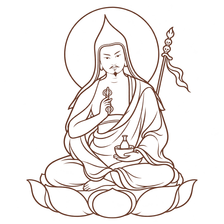
第一章
The Practice Manual of Noble Tārā Kurukullā
Homage to noble Mañjuśrī, the youthful one. Homage to the noble goddess, Tārā.
圣度母咕噜咕咧仪轨
敬礼圣文殊童子!敬礼圣天女度母!
The tantra of The Arising of Tārā is an ocean of yogic practice. Although its scripture and practice manual had declined and disappeared, There was The Meditative Absorption of Tārā, chief among tantras. Once that, too, became lost, this practice manual appeared.
《度母生起续》是瑜伽修习的大海。其教典与仪轨衰微隐没之后,尚有诸续之首《度母三摩地》;彼亦隐没之后,此仪轨遂出。
For the sake of many beings, and as a compendium of the tantras That elaborately teach the yogic practices, Lokeśvāra, Lord of the World, taught this manual of practice. Listen, all bodhisattvas!
为利益众多有情,从广说瑜伽修习的诸续中汇集,世自在宣说此仪轨。一切菩萨,谛听!
This method that benefits all beings Is based on seeing that the world is without refuge, And tormented by the three types of suffering. Receive this with great reverence!
见世间无有归依,受三苦逼恼,故说此利益一切有情之法。汝当以大恭敬领受!
In order to pacify the concepts of the world, All buddhas teach this manual of practice. On the holy Potala mountain, Mañjuśrī, Padmapāṇi, Jaya,
Sarvanivaraṇaviṣkambhin, Sāgaramati, Maitreya, and others—the full gathering— All heard these words of the Dharma, Rejoiced, and bowed their heads to the ground in veneration.
为寂灭世间分别,一切诸佛宣说此仪轨。在吉祥补陀落山,文殊、莲华手、胜者、除盖障、海慧、慈氏等所有众会,闻此法语,皆生随喜,顶礼于地。
The children of the victorious ones mastered it and praised it; They worshiped it with song, melody, And various types of dance. Yakṣas, rākṣasas, the world of ghosts,
Various maidens, the heavenly bodies, Thunderbolt bearers, lords of the earth, Nāga girls who live in the billowing seas Where they cast coquettish glances,
The guardians of the nether world, and the daughters of the surasiddhas— these all worshiped. Gandharva queens with eye-catching breasts, Female knowledge holders, kinnarīs, Himavat’s daughters, as well as others, all spoke in this way:
诸佛子受持、赞叹,以歌咏、曲调及种种舞蹈供养。夜叉、罗刹、鬼神众,种种少女、星宿、持金刚者、大地之主,住波涛汹涌海中、频送秋波的龙女,地下守护者、天成就者之女,皆作供养。乳房丰美夺目的乾闼婆女王、女持明者、紧那罗女、雪山之女及其余众,如是说道:
“For us there is no refuge. Yet this teaching of the Buddha is the refuge for those who have none. Protector of those without a refuge, protector of the world, You engender bliss and great wonder about this teaching.”
“我等无有归依。佛陀此教,是无依者之归依。无依者之怙主、世间怙主,您令众生于此教法生起安乐与极大稀有之心。”
The Lord, hearing these words of the assembly, Pronounced the secret mantra, which he himself mastered, And upon hearing this king of mantras, all the females there Experienced numerous forms of the bliss of final buddhahood.
怙主闻众会之言,宣说自己已自在掌握的秘密真言。在场诸女闻此真言之王,生起究竟佛果的种种安乐。
By the touch of the vajra their bodies released the juice, And casting sidelong glances, They impatiently stamped their feet on the ground. Carried away by the bliss of passion, they let their juices flow.
金刚触身,体液流出;她们斜眼顾盼,不耐地以足踏地,沉醉于欲乐,令体液流淌。
May the Protector observe this and dispense Timely words to these celestial girls— The mantra of Kurukullā that enthralls wandering beings— And the practice of painting in combination with this mantra.
愿怙主见此,为诸天女适时宣说:摄服众生的咕噜咕咧真言,以及与此真言相结合的绘像修法。
When the Blessed One, the Protector of the World, had proclaimed his intent, He, the Master of the World, began to teach the stages of the ritual: The method for creating an image of Kurukullā, The mere painting of which
Brings fruition to the practitioner, I will now explain in full. Who can create the picture? On which day of the month and at which hour?
That I shall now explain In accordance with the prescriptions of The Arising of Tārā. The one who paints the picture Should have reddish eyes,
世尊世间怙主宣示此意之后,世间自在开始宣说仪轨次第: “咕噜咕咧之画像法,仅绘其像,即令修行者获果。我今当完整宣说:何人可作画?在每月何日、何时作画?我将依《度母生起续》所说而为解说。
As well as red hands and feet, Eyes like those of a bird, and the legs of a black antelope. It is such a person who shall draw the Savioress. In the first month of spring,
On the eighth day of Caitra, Halfway through the second watch— This is when the eyes of Tārā should be drawn. The artist must eat the three sweets
And abstain from fish, meat, and alcohol. Always dressed in red, He must be smeared with a red fragrant paste. Having brought forth a mind of loving-kindness,
He should bathe at dawn in a sanctified location. Then, having changed into a garment of three pieces, He should correctly draw The Enchantress: Single-faced, with elongated eyes,
Four-armed and of the color of kunkuma, Sixteen years old and displaying an amorous sentiment, And puffed up with pride on account of her magical feminine charm.
“画师应双目微红,手足亦红,眼如鸟眼,腿如黑羚。如此之人当绘救度母。在春季首月,即制怛罗月初八日,第二更的中点,应绘度母双眼。画师应食三甜,戒除鱼、肉、酒,恒着红衣,涂红色香膏。发起慈心,黎明于清净处沐浴,再换着三件组成的衣服,正确绘出摄服母:一面,双目修长,四臂,郁金色,年方十六,显现爱欲之情,以女性幻魅之力而骄矜。”
The canvas should be woven with thread spun by a female of fair complexion. Both she and the weaver should eat milk-porridge. Upon a lotus seat, wearing an upper garment of red cloth, jewel earrings, and a jewel diadem, she displays the mudrā granting fearlessness with her lower right hand, and with her second right hand holds an arrow that she draws to the tip of her ear.3 In her upper left hand she holds a bow, and in the second left, a red utpala. Crowned by Amitābha, dwelling in a cave in the mountains, she is Kurukullā. Below Kurukullā is Rāhu, and above him, Kāmadeva with his spouse. Above Kāmadeva there is a moon disk, and upon the moon disk a red lotus seat. On this seat one must paint the Blessed Lady with all her beautiful features, and then consecrate her image. In front of the painting, from the eighth through the full moon day, one should perform the eighteenfold pūjā, and recite the mantra. This is the heart essence of Tārā: oṃ kurukulle hrīḥ hūṃ svāhā This is the mantra. Having done the preliminary propitiation consisting of one hundred thousand recitations, next, on a buddha-day in the month of Kārttika, Vaiśakha, or Āṣāḍha, having bathed at dawn and observed the restoration of vows ceremony, the practitioner should offer a complete pūjā. He should present a feast for the congregation of listeners, and next offer a feast with gifts for the community of those practicing the secret mantra of the Great Vehicle. Placing his right knee on the ground, and with his robe thrown over one shoulder, he should receive the desired accomplishments. He should salute and ask the pardon of the saṅgha of listeners and the community of those who delight in the Great Vehicle. Having gone to the place where the painting of the Blessed Lady is displayed, this knowledge holder should, for the sake of the desired accomplishments, enter meditation and recite the mantra one hundred thousand times for each of its syllables. With the first third, insight increases; With the second third, enthrallment is achieved; And with the final third, The person will also neutralize poison.
画布须以肤色明净女子所纺之线织成;该女子与织工二人皆应食乳粥。她坐于莲座,身着红色上衣,佩宝耳环、宝冠。右下手施无畏印,另一右手执箭,拉至耳际;左上手持弓,另一左手持红优钵罗。顶戴阿弥陀佛,住山洞中,此即咕噜咕咧。
咕噜咕咧下方为罗睺,其上为欲天及其妃;欲天上有月轮,月轮上有红莲座。于此座上绘具足种种美妙相好的世尊母,再为画像开光。在画像前,从上弦月初八日至满月日,作十八种供养并持诵真言。度母心要如下:
咒段:度母心要
梵语转写
oṃ kurukulle hrīḥ hūṃ svāhā
藏文原文
ཨོཾ་ཀུ་རུ་ཀུ་ལླེ་ཧྲཱིཿཧཱུྃ་སྭཱ་ཧཱ
汉语音译
嗡 库鲁库勒 赫里 吽 斯瓦哈
此即真言。先念诵十万遍,作前行承事;其后,于迦栗底迦月、吠舍佉月或阿沙荼月的佛日,黎明沐浴,受持布萨,作完备供养。应设斋供养声闻僧团,再为修大乘密咒的众会设斋、奉献供物。右膝着地,衣披一肩,领受所欲悉地。应向声闻僧团及乐于大乘的众会顶礼,请其宽恕。此持明者随后到世尊母画像所在处,为成办所欲悉地,安住禅定,依真言每一音节各诵十万遍。
“最初三分之一,增长智慧;第二个三分之一,成就摄服;最后三分之一,亦能解除毒害。
By mad and haughty women, and by the entire world, This practitioner will be honored. Because of familiarity with the practice, this mantra holder May do as he wishes with beautiful goddesses.
“骄醉自负的女子及整个世间,皆将敬奉此修行者。由于熟习修法,此持咒者于美妙天女可随意而行。
The mere sound of his name will cause those of incomparable poison to flee, And even those as brilliant as the leader of the hooded will become just like a fish. Those who engage in recitation, by means of their power of speech, Render speechless even the experts who possess the majestic power of spells.
“仅闻其名,剧毒无比者便逃遁;即使辉耀如众蛇之王者,也变得如鱼一般。持诵者以言语之力,令拥有咒术威力的行家亦无言可答。
Holders of mantra, who ride elephants and horses, Embraced by their beautiful consorts who clasp their necks— These are conquered by the power of the best among mantra-adepts. Their minds partake of the pleasures of perfect kingdoms.
“骑乘象马、为美丽明妃抱颈拥持的持明者,亦为咒师中最胜者之力所胜;其心享受圆满王国的安乐。
Rati from Kāmadeva and Pārvatī from Śiva;4 Similarly, Śrī from Nārāyaṇa, Śacī from Ākhaṇḍala, The white Amalagīśvariṇī from Vācaspati, and Lakṣmī from the Sustainer of the Earth— These they win by means of the mantra.
“从欲天处得罗蒂,从湿婆处得波罗伐底;同样,从那罗延处得室利,从阿坎荼罗处得舍脂,从语主处得白色无垢语自在女,从持地者处得吉祥天女——他们以真言赢得这些女神。
Those who possess the mantra and meditate on the Blessed Lady Will gain various treasures, gold, silver, earrings, Garments, and other such wealth. Their minds will partake of whatever they wish for, without exception.
“具真言而观修世尊母者,获得种种宝藏、金银、耳环、衣服等资财;心中凡有所欲,无不受用。
Having taken the kingdom from the king, the fruit from the tree that transcends the senses, And the waters from the nāgas, rivers, and oceans, Absorbed in the mantra, they drink and eat while purifying through the mantra. For people without the mantra, no enjoyment can be won.
“从国王处取王国,从超越感官之树取果,从龙、江河、大海取水;专注于真言,以真言净化而饮食。不具真言之人,不能成办受用。
Wild elephants; the best horses of noble breed; The best snakes, hooded and venomous; Crocodiles; water buffalo; and rhinoceroses— These they summon by the power of their mantra.
“野象、良种骏马、张颈有毒的上等蛇、鳄鱼、水牛与犀牛,皆以自己的真言力召来。
If also they look with eyes free from wonder, The mantra-adepts will thereby see. If with the eye of compassion mantra-adepts regard the world, Which is stricken by all sorts of suffering,
They will become Tārā,5 benefiting the world like the wish-fulfilling jewel. The entire world will become of Tārā6 and know peace. Having overcome the demons, they bring down a rain of wealth; As a wish-fulfilling tree, they grant beings whatever they wish for.
“若以不惊异之眼观看,真言成就者便能见到。若以悲眼顾视遭受种种苦难的世间,便成为度母,如如意宝般利益世间;整个世间成为度母而得安宁。他们降伏诸魔,降下财宝雨;化作如意树,满足有情的一切愿望。”
Having drawn to them all the riches of the lords of wealth without exception, They give it away for the benefit of all beings. Likewise, for the benefit of the destitute in the world Tārā creates clothes, seats, homes, and parasols.
“召集一切财主的全部财富,施与众生以作利益。同样,为世间贫困者,度母化作衣服、座具、房屋与伞盖。
For those suffering on islands, due to the wreckage of their merchant vessels, Tārā creates boats, ships, and so on. The yogins who meditate on this Tārā Will first experience some suffering.
Yet once that is over, such people Will soon discover feasts. Next they will acquire garments, Just as they will meet with noble women.
Then they will enjoy the betel. That which they wish for will be obtained without asking. Even if one is celibate, One may engage with a woman of supreme, celestial birth.
“商船破毁、困苦于海岛者,度母为其化作舟船等。观修此度母的瑜伽士,起初会经历一些苦楚;苦楚过去,不久便获丰盛饮食,继而得到衣服,遇见高贵女子,享用槟榔,所愿不求自得。即使持梵行者,也可与出身殊胜天族的女子交合。
Those who take pleasure in killing sentient beings Will not succeed in this discipline. Those who delight in the ten virtues, And are single-minded in their devotion to the Great Vehicle, Will, in accordance with Vajradharma’s words, Hereby experience the supreme accomplishment. This was the first chapter, the instructions for the practice of painting.
“以杀害有情为乐者,不能成就此法。喜乐十善、一心归向大乘者,依金刚法之言,由此得享最胜悉地。”
第一章,绘像修法教授,终。
第二章
Through the method of worship in accordance with the Dharma, One will attain dharmatā And oneself will become the dharmadhātu. That shall now be correctly explained.7
依如法供养之方便,证得法性,自成法界。今当如实解说。
Now follows the practice method of the wish-fulfilling tree: One should visualize, arising from the syllable vṛm,8 A wish-fulfilling tree. As a transformation of the utpala, It should be visualized to the left.
A rain of various riches Falls from the middle of the sky, And so fulfills wishes and desires. The one who meditates like this becomes the Lord of Wealth.
以下为如意树修法:观想从 vṛm 字出生如意树;由优钵罗花变成,观在左方。种种财宝雨从虚空中降下,满足所愿所欲。如是观修者,成为财富之主。
咒段:如意树种子
梵语转写
vṛṃ
藏文原文
བྲག
汉语音译
夫里姆
The sentient beings of the four continents One must summon through light rays of the mind And so generously provide them With the gifts that consist of the seven jewels:
The jewel of the foremost teacher, The jewel born from the sea, The jewel of a woman, the jewel of a horse, The jewel of a sword,
The jewel of an elephant—such jewels Should be offered mentally to the buddhas. The jewel of a woman, adorned with ornaments And displaying abundant attractions,
Should always be offered to the buddhas By those who wish for the fruit of buddhahood. Through this all buddhas And knowledge holders will be achieved.
以心之光召来四洲有情,慷慨施予七宝:最上导师宝、海生宝、女宝、马宝、剑宝、象宝等诸宝,应于心中供养诸佛。欲得佛果者,应常将饰以璎珞、显现种种娇美的女宝供养诸佛。由此得成一切佛与持明者。
Replete with his treasures, A foremost teacher, a lord of wealth, Should be offered to the buddhas
By those who wish for the fruit of buddhahood. When likewise the other jewels Are respectfully surrendered One will turn into Vajradharma And so become the benefactor of all beings. This was the practice method of the wish-fulfilling tree.
欲得佛果者,应将财宝充盈的最上导师、财富之主供养诸佛。同样,以恭敬心舍施其余诸宝,即成金刚法,利益一切有情。以上为如意树修法。
All the buddhas are mind itself. By mind itself one is liberated. Bondage is broken by the mind, Through mind one attains freedom.
一切诸佛即自心,依于自心得解脱;心能解除诸系缚,由心得以获自由。
Apart from in the mind Things and entities are not seen anywhere at all. Hence, there is no perfection to be seen Apart from buddhahood and all the accomplishments.
除心以外,于任何处皆不见诸事物。因此,除佛果与一切悉地之外,亦不见别有圆满。
The environments and sentient beings, The elements and their derivatives, Have been declared to be “mind only” By those who possess the undefiled special vision.
Therefore, one should make every effort To cleanse the mirror of the mind. Faults, which are by nature extrinsic, Will gradually be utterly exhausted.
器世间与有情、诸大及所造,具无漏胜观者宣说皆为“唯心”。故应竭尽全力,拂拭心镜;本属客尘的过失,便逐渐穷尽。
From the first of the vowels Arises a stainless full moon. Meditating on mind itself as that moon, One places upon it the seed-syllable:
The fourth in the sibilant group Is positioned atop the syllable of fire, Joined with the syllable ī, And adorned with the two skies.
从元音之首出生无垢满月。观自心为彼月,其上安置种子字:嘶音组中第四字,置于火字之上,配以 ī 字,饰以两个虚空。
咒段:元音之首
梵语转写
a
藏文原文
汉语音译
阿
咒段:组合种子的元音
梵语转写
ī
藏文原文
ཨི
汉语音译
伊
A multicolored light from that Cleanses beings of their impurities, And turns this billionfold world, and other such universes, into the field of space. Having entered the Kurukullā mountain
It rouses Tārā, and as she is summoned, She is made to be present before oneself. The wise must then from the syllable Send forth a great cloud of offerings:
Flowers, incense, and lamps; Perfume, food, and the like; Gestures, garlands, Theatrical shows, songs, and other such offerings.
彼字放出种种色光,净除有情垢染,令此三千大千世界及其余世界成为虚空之境。光入咕噜咕咧山,劝请度母,召至自身之前。智者再从种子字放出广大供养云:花、香、灯、涂香、饮食等,以及手印、花鬘、戏剧、歌咏等供养。
“The three jewels are my refuge; I confess all my wrongdoings; I rejoice in the virtues of wandering beings; I set my mind on the enlightenment of a buddha”—
These words should be spoken three times, After which one requests departure. When the mind has been made to abide through love, It should again be placed there.
“我归依三宝,忏悔一切罪,随喜众生善,发心求佛觉。”此语应说三遍,然后奉请离去。以慈令心安住,再将心置于彼处。
Having engendered a mind of compassion, One should as well bring forth a mind of joy. Afterward, one should regard everything with equanimity In its condition of being “mind only.”
生起悲心之后,亦生喜心;其后以舍心平等观一切,安住于其唯心之性。
Then, in order to discard the ordinary, The mind must once more be emptied. The five aggregates of the process of reexistence Shall be consumed by the fire of emptiness. Oṃ śūnyatājñānavajrasvabhāvātmako ˈham.9
为舍离凡常,心当再次空寂。以空性之火焚尽招致后有的五蕴。
咒段:空性自性真言
梵语转写
oṃ śūnyatājñānavajrasvabhāvātmako ’ham
藏文原文
ཨོཾ་ཤཱུནྱ་ཏཱ་ཛྙཱ་ན་བཛྲ་སྭ་བྷཱ་བ་ཨཧྨ་ཀོ྅་ཧཾ། །
汉语音译
嗡 舒尼亚塔吉尼亚纳瓦吉拉斯瓦巴瓦特玛科 杭
For a while one should practice this emptiness yoga And so bring the mind refreshing rest. Recollecting the vows taken earlier, One should once more focus on simply the seed-syllable.
“An exclusive nirvāṇa Would mean deceiving sentient beings. How shall I liberate them From the endless ocean of existence?”
Contemplating thus, the one who possesses love Will abandon the emptiness devoid of mind. A mind that is of the nature of the field of phenomena Must be brought forth through mind itself.
暂修此空性瑜伽,使心得以休息。忆念先前所立誓愿,再专注于种子字:“若仅自入涅槃,便是欺诳有情。我应如何从无边生死海中救度他们?”具慈者如是思惟,舍离无心之空,以自心生起法界自性的心。
By the Buddha’s blessing arises the seed-syllable, And from that, that which is called an utpala. On the utpala, there is a moon disk Arisen from the syllable a.
On that moon, again, is the seed-syllable, From which emanate rays of light. Thereby all realms of the world Are seen to be thoroughly purified.
Once they are purified and illumined, One should perceive that great numbers of buddhas Melt into light and enter the seed-syllable. From that arises Tārā.
由佛加持出生种子字,由彼出生优钵罗;花上有 a 字所生月轮。月轮上复有种子字,放射光芒,观一切世间界由此彻底清净。净化、照明之后,观无量诸佛融为光,进入种子字,由彼生起度母。
咒段:月轮所生字
梵语转写
a
藏文原文
ཨ
汉语音译
阿
As explained, the goddess is of the color of madder rose And adorned with all of the ornaments. First one should develop the samaya form And then summon the wisdom circle.
This occurs in an instant. The wisdom circle remains in front. With the application of the samaya seal They should enter by the open pathway.
如前所说,天女为茜红色,具一切庄严。先生起三昧耶身,再迎请智慧轮,此于刹那完成。智慧轮住于面前,施以三昧耶印,令其经由口道进入。
The palms of the hands are joined And the two little fingers visualized. The middle fingers are joined at the tips And the ring fingers are between them.
两掌相合,观想两小指;两中指指尖相接,两无名指处于其间。
The index fingers are joined to the middle ones And the thumbs are bent below. Having formed the samaya seal in this way One must summon the circle and cause it to enter.
两食指与中指相合,两拇指屈于下方。如是结三昧耶印,召请智慧轮,令其融入。
With the following verses to the buddhas One should request empowerment:
“Just as Bodhivajra offers The great worship to the buddhas, So too, in order to protect me, Please, now grant it to me, O Khavajra.”
以如下偈颂向诸佛祈请灌顶:“犹如菩提金刚向诸佛献大供养,虚空金刚,为护持我,今亦请赐予我!”
With the so-called “empowerment of the Victor” Locanā and the other four arise.
“The consecration of a king with flowers, Great ones, bestow that upon me.”
“The empowerment by the great vajra, Which is venerated throughout the three realms, And which originates from the abodes of three secrets, That shall be given by all the buddhas.”
As the buddhas empower Tārā She becomes crowned with the Dharma.
由所谓“胜者灌顶”,佛眼母等五位生起。“诸大士,请赐予我以花所作的王者灌顶!”“为三界所敬奉、从三密处出生的大金刚灌顶,当由一切诸佛授予。”诸佛为度母灌顶,她遂以法为顶冠。
With red light of different hues She illuminates the three worlds. One who has obtained the jewel of empowerment Will attain all accomplishments.
By means of the described ritual One must practice stably for half a year And offer bali at the three times. By means of this mantra,
And through the ritual of cane or cakes, One will obtain a sign during a dream. The sword, the accomplishment of the netherworld, Invisibility, the extraction of essences,
Anonymity, celestial realms, Foot unguent, and eye ointment— The signs will be seen in dreams And the accomplishments themselves will manifest.
她以浓淡不同的红光照耀三世间。获得灌顶宝者,将成就一切悉地。依所说仪轨,半年坚固修习,于三时献食子。依此真言,以甘蔗或饼的仪轨,于梦中得见征兆:宝剑、地下宫成就、隐身、摄取精华、隐匿身份、天界、足涂膏、眼药——梦中见其征兆,悉地亦将现前。
If one becomes fond of these, Minor accomplishments will be attained through Tārā. Having become a universal monarch, one attains The kingdom and the pleasures of the senses.
For the one endowed with meditation and recitation These are even attained in dreams. At the final moon among the six, Recite delightedly for one night
And form the utpala mudrā. As one recites, it suddenly bursts into flames. By the power of this mudrā Brahma, Indra, Upendra, Rudra, and so forth,
Together with their spouses, Are summoned and arrive enthralled. From then on, one will be accomplished in every respect And be free from the bonds of saṃsāra,
若乐于这些,便由度母获得小悉地;成为转轮王,获得王国及五欲之乐。具禅定与念诵者,甚至梦中也能获得。在第六个月中,欢喜持诵一夜,结优钵罗印;随其持诵,忽然燃起火焰。依此印力,梵天、帝释、优波因陀罗、噜陀罗等及其诸妃,皆被召来而受摄服。此后,彼于一切方面皆得成就,脱离轮回系缚。
Just as a lotus will be unstained By water soiled with mud. When touched, quicksilver becomes many, Yet when coalesced, it once more becomes one;
Within the state of omniscience The same is the case with the accomplished one’s mind. When touched by perfected quicksilver, Copper turns to gold;
Likewise, when touched by the perfected mantra, Practitioners of mantra will become the bodies of the Buddha. They attain the station of the lord of the gods And become lords of the triple universe.
犹如莲花不为污泥之水所染。水银受触即分为多,聚合则又为一;成就者之心于遍智境界中亦然。铜若为炼成的水银所触,便化为金;同样,持咒者若为已成就的真言所触,便成为佛身。他们获得天主之位,成为三界之主。
When born in the family of the Buddha, They become turners of the wheel. They are born, go forth into homelessness, Practice the difficult conduct,
And as they also engage in the conduct of enlightenment, They recollect buddhahood itself. Likewise, they descend from the gods, manifest emanations, Turn the wheel of Dharma,
Attain the great nirvāṇa, And depart for a cemetery. Having left their bodies in the triple world, The victorious ones, by means of the enjoyment body,
Return again to the pure abodes, And so the emanation body emerges. By means of the procedures of books and paintings, There is engagement with the dharma body as well. Hence, the mantra, thereby established, Has indeed been taught by the buddhas.
生于佛族,成为转法轮者;示现降生、出家、修苦行,亦行菩提行,忆持佛果本身。同样,示现从天降下、化现、转法轮、入大涅槃,前往尸林。诸胜者将身留于三界,以报身重返净居,化身由此显现;又以经书、画像等方式,与法身相应。因此,如是建立的真言,实为诸佛所说。
All the blessed ones, the thus-gone ones, then addressed the great bodhisattva Vajrapāṇi, so as to examine his noble mind: “How, O Vajrapāṇi, could the buddhas, the blessed ones, who possess vajra bodies, who possess dharmad‐ hātu bodies, possibly die at some location on earth?” Vajrapāṇi, in turn, offered the following words to those buddhas and bodhisat‐ tvas: “The bodhisattvas have asked me this: ‘How could buddhas, who possess vajra bodies, dharmadhātu bodies, bodies of nonduality, possibly die at some location on earth?’ ” And he continued, “Listen, O bodhisattvas, the so-called nirvāṇa means a passage to the realm of bliss.” “O Vajrapāṇi,” inquired the bodhisattvas, “do the buddhas, the blessed ones, go to the realm of bliss after they relinquish the dharma body, or do they go to the realm of bliss by means of the enjoyment body, having left behind their emana‐ tion body? How could they depart, having left behind the dharma body?” Vajrapāṇi replied, “A person with magical powers may employ magic for some specific purpose, and so also succeed in achieving that purpose. Likewise: “Accomplished since the beginning, The buddhas engage in the act of accepting birth, To provide for sentient beings, When a universal monarch has gone beyond.
尔时,一切世尊如来为考察金刚手大菩萨的圣心,问道:“金刚手,诸佛世尊具金刚身、法界身,岂会在大地某处死亡?”
金刚手向彼诸佛菩萨说道:“诸菩萨曾如此问我:‘诸佛具金刚身、法界身、无二之身,岂会在大地某处死亡?’诸菩萨,谛听!所谓涅槃,是趣入极乐世界。”
诸菩萨问:“金刚手,诸佛世尊是舍弃法身而往极乐世界,还是留下化身、以报身而往极乐世界?岂会舍弃法身而离去?”
金刚手答:“有神变力者,为某一目的施展幻术,即能达成该目的。诸佛亦然:
“本初即已成就的诸佛,在转轮王逝去之后,为照顾有情,示现受生之行。
“When a buddha goes beyond, A universal monarch appears. In this world there is never a time When both of them are absent.
“The Buddha, the best among those who walk on two feet, Provided guidance to beings in need of guidance. After having remained for eighty years, He departed for the abode of the victorious ones.
“Having left behind their magical illusion of a buddha, They remain in great bliss, which is the palace of the victorious ones; Within the perfect peace of great bliss They abide in a form that is in all ways delightful.
“佛陀逝去之时,转轮王出现;此世间从无二者同时缺席之时。两足尊佛陀,引导应受引导的有情,住世八十年后,前往诸胜者住处。留下幻化的佛身,安住大乐——诸胜者之宫殿;于大乐圆满寂静中,住于一切悦意之身。
“An agent, eternal and singular— Thus the sages regard the mind.10 Yet it is taught that it is not of such an essence; Rather, it is held to be composed of moments.
“诸仙认为心是作者,常住而唯一。然而教说心并非如此,而应认其为刹那相续。
“The victorious ones will relinquish their bodies For those deluded because of holding on to a self, And for those who always want things to be permanent, So that they may be introduced to impermanence.
“Those who are of the nature of all things, And whose minds know everything, Cannot definitively be said To be absent anywhere.
“Based on the relative truth, And for those in this billionfold universe and elsewhere who are in need of guidance, The buddhas teach the Dharma Throughout the extent of space.
“为执我而迷惑者、恒欲诸法常住者,诸胜者舍弃身体,使其了知无常。诸佛以一切法为体性,心知一切,不能断言他们于任何地方不存在。依世俗谛,为此三千大千世界等诸界中应受引导者,诸佛遍虚空际宣说正法。
“There is no real birth of a buddha, Nor is there any real death of a buddha. Where everything is of the same taste, This is the nature of arising and ceasing.
“The buddhas are of the same body within the dharmadhātu, And they are free of the five obscurations. The body of the profound and the vast— It is as the essence of this reality that a buddha remains.
“Since neither is the case, They do, from the beginning, not exist. Since from the beginning they have not arisen They do not arise and they do not cease.”
“佛陀并无真实出生,亦无真实死亡;一切一味之处,便是生灭之性。诸佛于法界中同一身,远离五种障蔽;甚深广大之身——佛安住于此真实之性。既非二者,从本初即不存在;本初未生,故不生亦不灭。”
The bodhisattvas asked, “How is it, O Vajrapāṇi, that the buddhas, the blessed ones, the teachers of the three worlds, neither arise nor cease?” “Now, O bodhisattvas, what do you think?” asked Vajrapāṇi in return. “Does the one who is the Buddha exist, or not exist?” “O Vajrapāṇi, buddhas neither exist nor do they not exist,” replied the bod‐ hisattvas. Vajrapāṇi then said: “Indeed, it is the unborn that is born; The born will never be born. When investigated in terms of the ultimate They are unborn since the beginning.
诸菩萨问:“金刚手,诸佛世尊、三界导师,如何不生亦不灭?”
金刚手反问:“诸菩萨,于意云何?所谓佛者,是有还是无?”
诸菩萨答:“金刚手,诸佛非有,亦非无。”
金刚手说: “确实,未生者才出生,已生者终不再生。若依胜义观察,本初以来即无生。
“Likewise, the dead do not die, Nor does the one who is not dead. The nonabiding does not abide, And the one who abides is not in need of abiding.
“同样,已死者不死,未死者亦不死。不住者不住,已住者无须住。”
“If that which has not been born were subject to decay, Or if the unborn were subject to arising, Then a rabbit’s horn would also Be subject to arising and cessation.
“If that which exists were to arise, That which has arisen would arise once more. Also, if that which does not exist were to arise, The barren woman’s son would arise too.
“Therefore, everything is ignorance, Formations that possess the three characteristics. The worlds that possess the five aggregates Are known as mere appearance.
“若未生者会衰坏,或未生者会生起,那么兔角也应有生灭。若已有者还会生,已生便应再生;若无有者能够生,石女之子也应出生。因此,一切皆是无明,是具三相的诸行;具五蕴的世间,应知仅为显现。
“The bodhisattvas should understand the nirvāṇa that pertains to the buddhas, the blessed ones, through this reasoning.” The bodhisattvas asked: “When nothing is produced, What are mantras, what are tantras, And how does one visualize the maṇḍala? How, then, is accomplishment gained?”
“诸菩萨应依此理,理解诸佛世尊的涅槃。”
诸菩萨问:“既无任何法产生,何谓真言,何谓续典?又如何观修曼荼罗?如此,如何获得悉地?”
Vajrapāṇi replied: “Originating in dependence— This is how things arise. Likewise, depending on mantras, mudrās, and so forth, The accomplishments are gained.
“The accomplishments are relative, And so are the transcendences of the Buddha. Buddhahood, the state of Vajrasattva, Is perfectly accomplished in terms of the relative.” This was the second chapter.
金刚手答:“依缘而起,诸法如是出生。同样,依真言、手印等,获得诸悉地。悉地属世俗,佛之波罗蜜亦然。佛果,即金刚萨埵之位,于世俗中圆满成就。”
第二章终。
第三章
The progression of the ritual for reciting the mantra Shall now be explained. By merely understanding it, The practitioner will reach success.
Coral is used for enthrallment, Puṣkara removes poison, And with crystal insight will expand. These are to be used in three activities.
今当解说持咒仪轨次第;仅仅理解,修行者便得成就。摄服用珊瑚,除毒用 puṣkara,水晶令智慧增长。此三物用于三种事业。
In a pit the shape of an aśvattha tree leaf, which is the pure nature of the place of birth, one should light a fire with wood from the aśoka tree. One must then, in the prescribed way, perform one hundred and eight offerings of red lotus flowers. The fire should be obtained from the home of an actor. The offerings are to be smeared with the three sweets and presented together with the root mantra. Next comes the diagram. One should draw a triangular maṇḍala on cotton smeared with the mark of the moon. Within it, one writes entreating words that include the names of the practitioner and the one to be won: “Let me suc‐ ceed in attracting such and such a person!” As one enriches this with the root mantra, one should write with a paint of liquid lac, blood from one’s left ring finger, camphor, kunkuma, and musk. If one wishes to increase insight one should, in the same pit as before, burn arka and karavīra with the sacrificial fire used for brahmin oblations. One should offer aṭarūṣaka leaves11 or sweet flag ten thousand times. For removing poison, one should light a fire in the same basin with wood of the sandal tree, and in that offer the flowers of the piṇḍatagara. Thus one will be‐ come a curer of all poison. One will heal the different pains and bring peace. This is the rite of the gāruḍa knowledge tantra. On the paths of the triple universe One will attract and engage with All those who are known as noblewomen By means of oblation and the diagram.
火坑作菩提树叶形,即生处清净自性。以无忧树木燃火,依规定作一百零八次红莲花供养。火应从演员家取得;供物涂以三甜,配合根本真言献供。
接下来是图式。在沾有经血的棉布上绘三角曼荼罗。内写含修行者及所欲摄服者姓名的祈求语:“愿我成功吸引某某人!”配以根本真言,书写材料为紫胶汁、自身左无名指血、樟脑、郁金及麝香混成的颜料。
欲增智慧,应于同一火坑中,以婆罗门献祭所用之火燃 arka 与 karavīra 木,供 aṭarūṣaka 叶或菖蒲一万次。
除毒时,于同一火坑中以檀木燃火,供 piṇḍatagara 花。如是能治一切毒,疗愈诸痛苦,带来安宁。此为迦楼罗明续的仪轨。
以护摩与图式,于三界诸道中,能吸引一切所谓贵女,并与之交往。
Loving-kindness through looking with impassioned love— It is through such a mind that one performs enthrallment. Having enthralled all beings, One establishes them in the enlightenment of the Buddha. This is the rite of enthrallment.
以含情之眼而观所起的慈爱——以此心行摄服。摄服一切有情后,将其安立于佛菩提。此为摄服仪轨。
The so-called “knower of everything” Cannot be attained without insight. The one who wishes to attain it Should therefore develop incisive insight.
Through the practice of recitation and oblations One will encounter all phenomena. The mind that is pure, bright, and stainless— That indeed is the transcendent insight.
The yogin will be liberated. The leaves of gṛhābhidhāna, Ṣaṭhī, licorice, Brahmāṇī, māgadhī, and honey— These are to be eaten. This is the ritual for increasing insight.
所谓“一切智”,无智慧则不能得;欲得彼者,应修敏锐智慧。依念诵与护摩,通达一切法。清净、光明、无垢之心,实即般若波罗蜜。瑜伽士将得解脱。应食 gṛhābhidhāna 叶、ṣaṭhī、甘草、brahmāṇī、māgadhī 与蜂蜜。此为增慧仪轨。
Next12 there is honey with ghee, Cakrāṅkita, and the good root— By applying this to the place struck by the poisonous fangs, Or by drinking it, one will neutralize the poison. This is the medicine that overcomes poison.
其次,蜂蜜、酥油、cakrāṅkita 与良根,敷于毒牙咬伤处,或饮用之,即能解毒。此为胜毒之药。
Jārī and caṇḍālikā, Snehamallī and ghee, As well as dead intestinal worms— When eaten, these effect enthrallment. This is the medicine for performing enthrallment.
Jārī、caṇḍālikā、snehamallī、酥油及死肠虫,服食能令摄服。此为摄服之药。
The removal of poison brings peace in the world; From the development of insight comes buddhahood. Turning the wheel of Dharma will be accomplished In an instant by the one who practices enthrallment.
For accomplishing the benefit of oneself and others There is no other means within the Great Vehicle. The practice of a spell just once Will immediately be convincing.
除毒令世间安宁,增慧得成佛果;行摄服者,于刹那成办转法轮。为成就自他之利,大乘中无别的方便;咒法修习一次,立刻足以使人信服。
Thinking of the syllable hrīḥ at the vessel of frenzy Will cause women to drip. Thinking of it upon the tongue or in the center of the heart, Will engender insights.
When meditated upon in relation to the bite of the fangs This beautiful syllable of Dharma Will destroy poison. This heart of Tārā conquers the three worlds—
That should be understood by those who love. As the negativities of speech completely disappear, one will be able to remove poison; when those of the mind disappear, insight will increase; and when the flaws of the body are exhausted, one will bring about enthrallment.
于狂喜之器观 hrīḥ 字,令女子流液;观于舌上或心中央,则生智慧。观此殊妙法字于毒牙咬处,便能灭毒。此度母心要征服三界——具慈者应知。语之恶业彻底消失,便能除毒;意之恶业消失,智慧便增长;身之过失穷尽,即能摄服。
咒段:狂喜之器所观种子
梵语转写
hrīḥ
藏文原文
ཧྲཱིཿ
汉语音译
赫里
咒段:舌与心中所观种子
梵语转写
hrīḥ
藏文原文
ཧྲཱིཿ
汉语音译
赫里
Hence, since this world is attached to nonvirtue, it does not gain accomplish‐ ment. Therefore, O sons of the victorious ones, you must act to benefit, and give up evil. By means of the specific gestures, the faults associated with the body certainly disappear and, through the mantra, so do the faults associated with the composites of the tongue.
因此,世间贪着不善,故不获成就。佛子们,你们应行利益,舍弃罪恶。依特定手印,身之过失必定消失;依真言,舌之诸组成所生过失亦然。
The faults associated with the mind fade away in those whose minds delight in meditation. With the joy of stainless faith, the cognitions of the body become unmoving—that is the time of the Buddha’s blessing. The one who sees with an eye free from evil and who possesses compassion will become king of the three worlds. With his power of merit superior because of generosity, he becomes the foremost on the surface of the earth, a benefactor endowed with diligence.
心乐禅修者,意之过失消退。以无垢信心之喜,身之诸识不动,此即佛加持之时。以离恶之眼而观、具悲心者,成为三世间之王。因布施而福德力殊胜,成为大地上最胜者、具精进的利益者。
Having given up laziness, and by means of wisdom, he will not experience even a bit of the suffering of hell. Therefore, one relies on the wealth of the compassion of the sons of the victorious ones, and on their diligent conduct. Perceiving the buddhas in the center of the sky, one regards the buddhas by the power of concentration. Even in sleep one should always perceive oneself to be surrounded by the buddhas.
舍弃懈怠,依于智慧,丝毫地狱苦亦不受。因此,应依诸佛子的悲心财富及精进行。观诸佛住于虚空中央,以定力瞻仰诸佛;即使睡眠时,也应恒观自身为诸佛围绕。
At the time of death the wise proceed to the summit of Mount Meru; Buddhas riding in various vehicles— These are seen by the ones who are compassionate by nature. Doing evil produces the perception of the cities of hell. This is the tantra for purification.
临终之时,智者登须弥山顶;诸佛乘种种乘具——本性具悲者得见。造恶则见地狱诸城。此为净化之续。
Where there is desire there is poison; Insight also is present there.13 Therefore, how can Pāṇḍarā Be regarded as the queen of speech?14
何处有欲,何处有毒;智慧亦在彼处。因此,岂能将白衣母视为语之女王?
She is indeed the curer of poison Abiding on the level of Hayagrīva.15 Manifesting as the speech of the vajra of passion, She enthralls the three worlds. This is the practice of the tantra of the desire family.
她实为治毒者,安住马头明王之位;显为欲金刚之语,摄服三界。此为欲部续的修法。
Next follows another method: Having created a triangular maṇḍala And, in addition, another triangle, The wise must, starting from Indra’s quarter, Write the syllable oṃ and so forth.
The six seed-syllables are in the six corners, And the seed-syllable of Dharma is in the center. Placed within a phuḥ syllable, It should be drawn on the doorstep. This is the tantra for driving away snakes.
次说另一方便:绘一三角曼荼罗,再加一三角。智者从帝释方起,书 oṃ 等字。六角置六种子字,中央置法之种子字,纳于 phuḥ 字中;应绘于门槛。此为驱蛇之续。
咒段:六角起首字
梵语转写
oṃ
藏文原文
ཨོཾ
汉语音译
嗡
咒段:外层围摄字
梵语转写
phuḥ
藏文原文
ཕུཿ
汉语音译
普
Now, to bring women fortune, another method shall be explained: One should draw a lotus flower with seven petals and apply the seven syllables to it. In its center one should, according to the enthrallment procedure, write the name of the person to be enthralled, supported by a pair of hrīḥ syllables. One should draw this on birch bark, or on cotton with flowers, and make it into a charm that is to be worn on the upper arm. The master will become the slave of a woman And kings will turn into servants. By means of the extremely pure and clean This mantra can be removed. This is the ritual for enthrallment.
今说另一令女子得吉祥的方法:绘七瓣莲花,置七字于其上。中央依摄服次第,写所欲摄服者之名,以两个 hrīḥ 字夹持。绘于桦树皮或有花的棉布,制成护符,佩于上臂。
咒段:姓名之前的种子
梵语转写
hrīḥ
藏文原文
ཧྲཱིཿ
汉语音译
赫里
咒段:姓名之后的种子
梵语转写
hrīḥ
藏文原文
ཧྲཱིཿ
汉语音译
赫里
“主人将成为女子的奴仆,国王亦化为仆役。以极其清净洁净的方式,可以解除此咒。”
此为摄服仪轨。
Next follows the diagram for protection: One should draw a four-petal lotus, And then, in its center, a moon. In the east one should draw an arrow, And in the south, a bow.
In the west is a hand showing the mudrā of fearlessness, And in the north, one draws a lotus. In the central moon is the one to be protected Surrounded by the seven seed syllables.
As for the outer perimeter, It is adorned with a garland of utpalas. Having drawn this on birch bark, One should wear it on one’s upper arm.
次说守护图式:绘四瓣莲,中央绘月。东方绘箭,南方绘弓,西方绘施无畏印之手,北方绘莲。中间月中置所护之人,以七种子字围绕;外周饰优钵罗鬘。绘于桦树皮,佩在上臂。
Moreover, children, the old, and the young will be self-protected by the diagram. If one desires the attainment of a lord, one should draw a citron and, in its cen‐ ter, a bow. Inside the bow, one should draw a jewel-shaped lotus bud. In the center of the lotus bud is the syllable jrūṃ, surrounded by the seven syllables. One should draw this on a golden tablet and keep it in the upper part of the house. One should surround it with an outer garland of lotuses, and, on the eighth or twelfth day of the month, using a jar containing five types of jewels, one should take it down. Having washed and worshiped it, one should recite the mantra one hundred and eight times. Within a year, one will become the equal of Kubera. Such a charm should be worn correctly. Next follows another method: on a Tuesday, if one finds a cowrie shell lying with its face up, one should place it in the palm of the hand and recite the mantra one hundred thousand times. If one plays dice, one will win. Taking up the cowrie one should recite the Kurukullā mantra one hundred and eight times. On the twelfth or eighth day of the month, one should perform ablutions and make offerings. Then one should wrap the shell in silk and wear it on one’s arm. Whoever does so will become a great master of riches. If one puts this shell in a box and hides it in the ground one will every day obtain a kārṣa’s worth of wealth. This is the tantra on obtaining wealth, a kingdom, royalty, and the fruit. This completes the third chapter.
此外,童子、老人及青年,皆可由此图式自得守护。
若欲得财主之成就,应绘香橼,内绘弓,弓中绘宝形莲苞。莲苞中央置 jrūṃ 字,以七字围绕。绘于金片,置屋宅上部,外以莲花鬘围绕。于每月初八或十二日,用盛有五种宝物之瓶将其取下,沐浴、供养,诵真言一百零八遍。一年内,即与俱毗罗等同。应如法佩戴如此护符。
咒段:莲苞中央种子
梵语转写
jrūṃ
藏文原文
ཛྲུཾ
汉语音译
吉鲁姆
次说另一方便:星期二若拾得开口朝上的贝壳,将其置于掌中,持咒十万遍;掷骰赌博,即能获胜。
取此贝壳,诵咕噜咕咧真言一百零八遍。每月十二日或初八日,作沐浴、供养,再以丝绸裹贝,佩于臂上。如此行者,成为大财主。若将贝壳置盒中埋藏地下,每日得一迦尔沙价值的财富。
此为获得财富、王国、王位与果实之续。
第三章终。
第四章
The mere seeing of the colored powder Quickly brings about the attainment of buddhahood, As one progresses through the stages of perception of the maṇḍala. That shall now be explained correctly.
仅见彩粉,随观见曼荼罗的次第推进,便迅速证得佛果。今当如实解说。
Four-sided and with four doors, It is adorned with four arches. In its center one should place the goddess, In a bhaga form of good color.
In the east an arrow should be drawn; And in the south, a bow; In the west, a hand of fearlessness, And in the north, an utpala.
All are in the border areas: The vajra, the wheel, and so forth. Wearing a red upper garment, And with his face covered by a red silken cloth, The disciple should enter there.
曼荼罗四方、四门,以四牌楼庄严;中央于色泽美好的 bhaga 形中安置天女。东方绘箭,南方绘弓,西方绘施无畏手,北方绘优钵罗。金刚、轮等皆在边地。弟子着红色上衣,以红绸覆面,进入其中。
At this point the sattvavajrī mudrā should be displayed, a flower should be offered to the circle, and the words “praticcha vajra hoḥ” be spoken. Then, as the cover is removed, the maṇḍala is to be revealed. In the best case, the flower has fallen in the center. If it has fallen on the arrow, the student will be capable of performing the acts of enthrallment. If it has fallen on the giver of fearless‐ ness, the student should study the removal of poison. If it has fallen on the ut‐ pala, it is the development of insight that should be studied. And if it has fallen on the bow, omniscient wakefulness is to be pursued. At the time of the entry, the following should be declared: “You must not speak of this supreme secret of all the thus-gone ones in front of anyone who has not entered this maṇḍala. Your samaya vow would definitely degenerate. Having failed to avoid the distressful, you would certainly die and fall into hell.” After that the samayas are to be given with the words, “The Three Jewels must never be abandoned…,” and so forth, just as it is extensively taught in the tantra. The oath is to be administered with the following words: “If any among the great samaya vows of the King of Dharma That you have received from me should degenerate, The buddhas and bodhisattvas Who engage in the supreme conduct of secret mantra
“Will extract and consume The great blood and the great heart. I am the guardian of the Dharma; Do not displease me.
此时应示萨埵金刚女印,向轮中投花,说下列真言。然后除去覆面布,令见曼荼罗。花落中央为最上;若落箭处,弟子堪能摄服事业;若落施无畏者处,应学除毒;若落优钵罗处,应学增慧;若落弓处,则应追求一切智觉。
咒段:投花真言
梵语转写
pratīccha vajra hoḥ
藏文原文
པྲ་ཏཱིཙྪ་བཛྲ་ཧོཿ
汉语音译
普拉蒂恰 瓦吉拉 霍
入坛时,应宣告:“此一切如来最上秘密,不得对未入此曼荼罗者宣说。否则,汝三昧耶必定毁坏;不能避离苦恼,必将死亡,堕入地狱。”
然后,如续中广说,以“永不舍弃三宝”等语授三昧耶,并令以如下语发誓:
“汝从我所受的法王大三昧耶,若有任何一条毁坏,行最胜密咒行的诸佛菩萨,将掏取并吞食大血与大心。我是护法者,莫令我不悦!
“You should always wear red clothes, A red mala, Vermillion powder, Apply red perfume,
“And adorn yourself with red jewels and the like. With the mind of passion you must meditate, Just as you must recite the mantra with a passionate mind. The palaces are to be painted With red ocher or sindhura,
“Vermillion powder, Saffron, red sandal, Or coral powder—all of these are appropriate.
“Karketa dust is used for the drawing. Whether for oblations, the circle, Or inauguration, Red substances are always to be applied.
“汝应恒着红衣、佩红念珠、施朱砂粉、涂红香,以红宝石等庄严自身。应以欲心禅修,亦以欲心持诵真言。宫殿应以红赭或 sindhura、朱砂粉、郁金、红檀或珊瑚粉涂饰,这些皆合宜。绘制用 karketa 粉。不论护摩、坛轮或开光,恒用红色物质。
“These are indicative of the saffron of the Buddha. You must not kill living beings, Not speak what is not true, Not take what has not been given,
“And not associate with another’s wife. Three acts of the body, Four of speech, And three of the mind—
“Give up these unvirtuous acts. Dharma, material things, Love, and fearlessness— You must always practice this fourfold generosity.
“这些表征佛的袈裟。不得杀生,不得妄语,不取不与之物,不与他人妻交往。身三、语四、意三,此等不善业皆应舍弃。法、财物、慈爱、无畏,此四种布施应当恒行。
“If you possess nothing, be generous through acts of meditation. Also, you must always display the four means of magnetizing, Along with the body of the perfections, The powers, and the masteries.
“若无所有,则以禅修行布施。又应恒行四摄,以及波罗蜜、诸力与诸自在的全体。
“You must not look down on females, Particularly not anyone by the name of Tārā. Even a householder practitioner of secret mantra May not take such a woman.
“不得轻蔑女子,尤其不可轻蔑名为度母者。即使在家密咒行者,也不可娶这样的女子。”
“In a town, at a gate, in a marketplace— Wherever Tārā resides— In a high street, at a four-road junction, At the side of a wall,
“And in particular at a three-road junction— You should always pay homage at such places, Offer praise, and present great offerings. Having made such places your dwelling
“You should practice the mantra and so forth. Seeing a woman whose name is Tārā, Of white and red complexion and beautiful eyes, The yogin should respectfully
“Pay homage to her in his mind. Upon bandhūka flowers, The karavīra-holder, As well as other red flowers
The practitioner should never step.” As the vows are given in this way There is the clean and pure water of divine substance. The disciple should be purified with the water in the four vases And the water of mantra.
“城镇、城门、市场、大道、四衢道口、墙边,尤其三衢道口——凡度母所住之处,皆应恒常礼敬、赞颂、大作供养。住于这些地方,修真言等法。见名为度母、肤色白里透红、双目美丽的女子,瑜伽士应恭敬地在心中礼拜。Bandhūka 花、持 karavīra 者及其余红花,修行者皆不可践踏。”
如是授戒时,有清净的天物之水。应以四瓶水与真言水净化弟子。
In the right order, the master should then Wash him with the gestures of the arrow, the bow, and so forth. First by means of the vase with the arrow,
And secondly, the one with the bow. The third is the one with the hand of fearlessness, And the fourth, the one with the utpala. “Just as the Lion of the Śākyas received
“From the buddhas and their offspring, the vajra holders, The empowerment for the great kingdom, So also do I empower you. The very essence of all the buddhas,
上师依次以箭、弓等手印为其沐浴。先用箭瓶,第二用弓瓶,第三用施无畏手瓶,第四用优钵罗瓶。
“犹如释迦狮子从诸佛及其持金刚佛子,获得大王位灌顶,我今亦如是为汝灌顶。
“That, indeed, you have found in this maṇḍala. Beholding these colored powders The buddhas are thoroughly delighted. Here there is no death and disease,
“No grief and no poverty. Through this pure Great Vehicle You will attain complete enlightenment.” Empowered through the arrow and the other three
The disciple has been made a vessel for the Dharma, And is, in accordance with the ritual, To be granted the secrets.
“一切诸佛的真髓,汝已于此曼荼罗中获得。诸佛见此彩粉,皆极欢喜。此中无死、无病,无忧、无贫;依此清净大乘,汝将得圆满菩提。”
以箭等四者灌顶,弟子成为法器,依仪轨应授秘密。
First one should train in the method of warding off the nāgas. namo ratnatrayāya. namaḥ sarvabuddhabodhisattvebhyaḥ. namo ˈṣṭasarpa‐ pudgalāya. namaḥ samastebhyo buddhakoṭibhyaḥ.. tadyathā. oṁ hrīḥ hrīḥ hrīḥ sarvanāgānām anantakulānāṃ vāsukikulānāṃ takṣakakulānāṃ śaṅkhapālakulānāṃ karkoṭakulānāṃ padmakulānāṃ mahāpadmakulānāṃ kulikakulānāṃ varāhakulānāṃ puṇḍarīkakulānāṃ ghanakulānāṃ megha‐ kulānāṃ jaladakulānāṃ jaladharakulānāṃ jīmūtakulānāṃ saṃvarta‐ kulānāṃ vasantakulānāṃ airāvatakulānāṃ kumudakulānāṃ kahlāra‐ kulānāṃ saugandhikakulānāṃ hana hana śareṇa bandha bandha cāpena tāḍaya tāḍaya utpalena bhītānām abhayaṃ dehi pralayakāla iva jaladhāram avatāraya varṣaṃ tān nāgān vaśīkuru kuru phuḥ kulāpaya kulāpaya phuḥ phuḥ, oṁ kurukulle hrīḥ hūṁ phaṭ svāhā phaṭ16 With this mantra, one should draw the maṇḍala with gaur dung. As prescribed, one should draw an eight-petaled lotus with sandalwood paste and place on its petals, starting from the eastern one, Ananta and the others—the eight nāgas— using candied sugar and bdellium. When the moon is in the Rohiṇī lunar house, one should perform a hundred and eight recitations, offer incense to the nāgas, and make offerings. If it does not begin to rain, they should be washed with wine and tormented with the fire of khadira wood. Doing this will bring rain. However, if the nāgas do not send rain, leprosy will break out.
This is to be carried out by a knowledge holder who is a performer of rites. Af‐ terward, they should be gathered and released in a great river. “May the gods send rain And may the crops be excellent. May the people prosper And the king be in accord with the Dharma.” Thus one should perform the dedication. One who wishes to stop excessive rainfall should obtain a snake from a snake charmer, anoint it with sandalwood paste, and feed it milk. One should pro‐ nounce this mantra over it seven times, put it in a red, unbaked jar, and seal it with the great seal. Breaking the vase will make the rain stop immediately. Later, one should offer a feast for the gathering, Or make offerings to the saṅgha of listeners, And give food and drink to boys and girls. Doing this will delight the nāgas.
首先,应修学遮止诸龙之法:
咒段:摄龙长咒
梵语转写
namo ratnatrayāya. namaḥ sarvabuddhabodhisattvebhyaḥ. namo ’ṣṭasarpapudgalāya. namaḥ samastebhyo buddhakoṭibhyaḥ.. tadyathā. oṃ hrīḥ hrīḥ hrīḥ sarvanāgānām anantakulānāṃ vāsukikulānāṃ takṣakakulānāṃ śaṅkhapālakulānāṃ karkoṭakulānāṃ padmakulānāṃ mahāpadmakulānāṃ kulikakulānāṃ varāhakulānāṃ puṇḍarīkakulānāṃ ghanakulānāṃ meghakulānāṃ jaladakulānāṃ jaladharakulānāṃ jīmūtakulānāṃ saṃvartakulānāṃ vasantakulānāṃ airāvatakulānāṃ kumudakulānāṃ kahlārakulānāṃ saugandhikakulānāṃ hana hana śareṇa bandha bandha cāpena tāḍaya tāḍaya utpalena bhītānām abhayaṃ dehi pralayakāla iva jaladhāram avatāraya varṣaṃ tān nāgān vaśīkuru kuru phuḥ kulāpaya kulāpaya phuḥ phuḥ, oṃ kurukulle hrīḥ hūṃ phaṭ svāhā phaṭ
藏文原文
ན་མོ་རཏྣ་ཏྲ་ཡཱ་ཡ། ན་མོ་བུད་དྷ་བོ་དྷི། ས་ཏྭེ་བྷྱཿ ན་མོ་ཨསྠ། མ་ཧཱ་ཨ་ནྱརྱ་པྲ་ཀ་ལཱ་ཡཾ། ནམསྨཔྟེ་བྷྱོ། བུད་དྷ་ཀོ་ཊི་བྷྱཿ ཏདྱ་ཐཱ། ཨོཾ་ཧྲཱིཿ ཧྲཱིཿ ཧྲཱིཿ སརྦ་ནཱ་གཱ་ནཱཾ། ཨ་ནནྟ་ཀུ་ལཱ་ནཱཾ། བཱ་སུ་ཀི་ཀུ་ལཱ་ནཱཾ། ཤྃ་ཀ་པཱ་ལ་ཀུ་ལཱ་ནཱཾ། ཀརྐོ་ཊ་ཀུ་ལཱ་ནཱཾ། པདྨ་ཀུ་ལཱ་ནཱཾ། ཀུ་ལི་ཀ་ཀུ་ལཱ་ནཱཾ། པུནྡ་རཱི་ཀ་ཀུ་ལཱནཱྃ། ག་ནཱ་ཀ་ཀུ་ལཱནཱྃ། མེ་ཀ་ཀུ་ལཱནཱྃ། ཛཱ་ལ་དཱ་ཀུ་ལཱནཱྃ། ཛ་ལ་དྷ་ར་ཀུ་ལཱ་ནཱཾ། བཛྲཱི་མུ་ཏ་ཀུ་ལཱནཱཾ། སཾ་བརྟ་ཀུ་ལཱནཱཾ། ཨེ་ས་བརྟ་ཀུ་ལཱ་ནཱཾ། ཀུ་མུ་དྷ་ཀུ་ལཱནཱཾ། ཀ་ཧ་ར་ཀུ་ལཱ་ནཱཾ། སཽ་གན་དྷི་ཀུ་ལཱ་ནཱཾ། ཧ་ན་ཧ་ན་ཤ་རེ་ན། བན་དྷ་བན་དྷ་ཙ་བིན་ཏཱ་ཌ་ཡ་ཏཱ་ཌ་ཡ་ཨུཔྟ་ལེནཱཾ། བིརྟཾ་ན། ཨ་བྷ་ཡཱ་ན། དེ་ཧི་དེ་ཧི། པྲ་ལ་ཡ། ཀ་ལེ་བཛྲ་ལ་ད་ར། མ་བྷ་ཏ་ར་ཡན། བར་ཥ་ན་ཏ་ནཱ་གཱ་ན་བ་ཤི་ཀུ་སུ། ཀུ་རུ་ཀུ་རུ་ཕུཿ། ཀུ་རུ་བ་ཡ་ཀུ་རུ་བ་ཡ། ཕུཿཕུཿ ཨོཾ་ཀུ་རུ་ཀུལླེ་ཧྲཱིཿ ཧཱུྃ་སྭཱ་ཧཱ་ཕཊ།
汉语音译
纳莫 拉特纳特拉亚亚 纳玛 萨尔瓦布达菩提萨特韦比亚 纳莫 什塔萨尔帕普德嘎拉亚 纳玛 萨玛斯特比约 布达科蒂比亚 达迪亚他 嗡 赫里 赫里 赫里 萨尔瓦纳嘎南 阿南塔库拉南 瓦苏基库拉南 塔克沙卡库拉南 商卡帕拉库拉南 卡尔科塔库拉南 帕德玛库拉南 玛哈帕德玛库拉南 库利卡库拉南 瓦拉哈库拉南 蓬达利卡库拉南 嘎纳库拉南 梅嘎库拉南 加拉达库拉南 加拉达拉库拉南 吉穆塔库拉南 桑瓦尔塔库拉南 瓦桑塔库拉南 艾拉瓦塔库拉南 库穆达库拉南 卡赫拉拉库拉南 骚甘迪卡库拉南 哈那 哈那 沙雷纳 班达 班达 查佩纳 塔达亚 塔达亚 乌特帕雷纳 比塔南 阿巴扬 德希 普拉拉亚卡拉 伊瓦 加拉达兰 阿瓦塔拉亚 瓦尔尚 坦 纳甘 瓦希库鲁 库鲁 普 库拉帕亚 库拉帕亚 普 普 嗡 库鲁库勒 赫里 吽 帕特 斯瓦哈 帕特
配合此真言,以印度野牛粪绘曼荼罗。如规定,用檀香膏绘八瓣莲花,以糖与guggulu 香脂塑无边等八龙,从东瓣起安置。月行毕宿时,持诵一百零八遍,向诸龙献香、供养。若仍不雨,应以酒沐浴它们,以佉陀罗木火逼迫。如此便会降雨;但若诸龙不降雨,便会发生麻风。
此应由行仪轨的持明者施作。其后将它们收集,放入大河,并回向:
“愿诸天降雨,庄稼皆丰盛;人民获富乐,国王顺正法。”
欲止过量降雨者,应从弄蛇人处取得一蛇,涂檀香膏,以乳喂食。向其念此真言七遍,置于未经烧制的红陶罐中,以大印封缄。打破瓶罐,雨即停止。
此后,应为众会设斋,或供养声闻僧团,并施饮食与童男童女。如此令诸龙欢喜。
If, when it rains, One does not do this The nāgas will be displeased And so one will contract leprosy.
若降雨之时不如是行,诸龙不悦,行者便会罹患麻风。
The king, along with his sons and queens, should bathe on the fifth day of the waning moon. They should obtain the root of pratyaṅgirā, blend it with milk or ghee, and having poured it into a silver dish, they should drink it. If the dish is offered to an ordained monk there will not be any danger from snakes for one year. Moreover, if, because of its unvirtuous actions, a snake does bite, the snake itself will die. Success comes with seven repetitions of the mantra. Also, if one wishes to cure leprosy, one should, by means of this very mantra, neutralize a poison and then ingest it. This will cure leprosy. If one recites the root mantra over water, and then uses that water to wash the wound from a snake bite, that will remove the poison. Moreover, if one wishes to see nāgas, one should pronounce the mantra upon a red utpala petal one hundred thousand times for each of its syllables. The petal should then be tossed into a pond, or the like, that is inhabited by nāgas and blessed. This will make the females of the nāgas tremble. They will request orders from the practitioner: “What shall we do, O lord?” The practitioner of mantra should then request what he wishes. This was the fourth chapter.
国王及诸子、诸妃,应于下弦月第五日沐浴。取 pratyaṅgirā 根,与乳或酥油调和,倾入银盘饮用。若将盘供养出家比丘,一年无蛇患;若蛇因其不善业仍加咬噬,蛇自身即死。真言诵七遍便成。
又,欲治麻风者,以此真言解除毒物之毒,再将其服下,便能治愈麻风。
向水诵根本真言,用此水洗蛇咬伤口,即能除毒。
又,欲见诸龙者,应向红优钵罗花瓣,依真言每一音节各念十万遍;随后将花瓣投于龙居水池等处并加持。龙女由此颤动,向修行者请命:“主人,我们应做什么?”持咒者便可求其所愿。
第四章终。
第五章
Once when young Rāhulabhadra had gone to Rājagṛha to receive alms, he went to the Veṇuvana grove, and there descended into a long pond to wash his alms bowl. While there, he, the son of Yaśodharā, was mistaken for a white ascetic and so was pulled into the pond. At that time the young Rāhulabhadra recited this spell. No sooner had he recited the mantra than—just like someone emer‐ ging from his house—he arrived in the presence of the Blessed One.
一次,罗睺罗跋陀罗童子到王舍城乞食,随后前往竹林,走入一长池洗钵。在那里,耶输陀罗之子被误认为白衣苦行者,遭拖入池中。罗睺罗跋陀罗童子于是诵此明咒。刚诵完咒,便如人从自己家中走出一般,来到世尊面前。
Having approached the Lord, he said, “Father, I have seen the power of the secret mantra which you have granted.” The Blessed One asked, “Where have you seen that?” “In the presence of the nāgas. Therefore, I request that the Blessed One teach this mantra, so that other beings too may be protected by it.”
他走近世尊,说:“父亲,我已见到您所赐密咒的威力。” 世尊问:“你于何处见到?” 答:“在诸龙面前。因此,祈请世尊宣说此咒,使其余众生也得到保护。”
So then, at that very time and on that occasion, the Lord dispatched Vajrapāṇi, and benevolently granted this mantra and this manual of instruction to the listeners and the bodhisattvas, to the monks and nuns, and to the male and female lay practitioners. Therefore, children of noble family, one who creates a sandalwood maṇḍala and reads this mantra and this manual of instructions will not be harmed by poison, will not die from poison, and will have no fear of boils, eczema, leprosy, disease, nāgas, snakes, tigers and other beasts of prey, weapons, enemies, poverty, or untimely death. None of these will occur. In order to protect the Teachings, the Lord granted Mahākāla the demoness Hārītī, whom he had nourished from his own alms bowl. She, however, was lacking in fortune because of her former bad deeds. She was not agreeable to Mahākāla, and so he did not stay with her, did not love her, and did not protect the Teachings either. She therefore became depressed, and in order to enthrall Mahākāla this Kurukullā compendium was taught. From then on, her fortune became vast and excellent. For that reason, children of noble family, if you wish to enthrall sentient beings you should familiarize yourselves with this mantra and this manual of instructions. It also came to pass that Sunanda’s son was born handsome and good looking, athletic and in possession of auspicious marks, and yet nevertheless dull-wit‐ ted. Sunanda therefore said to the Blessed One, “O Lord, my son was born hand‐ some and good looking, athletic and in possession of auspicious marks, and yet nevertheless dull-witted. How, O Lord, may he develop insight? Lord, if this child becomes literate he shall become a protector of your doctrine.” Upon hearing this, the Blessed One, with words preceded by mindfulness, spoke this manual of practice and gave this mantra. As soon as he had done so, Sunanda’s son, Rohiṇīkumāra by name, acquired insight. By the twelfth year he was free from being intimidated by any of the treatises, as he was thoroughly acquainted with all of the crafts and arts. Therefore, children of noble family, in order to accumulate great insight, you should study this very mantra and its manual of practice.
于是,就在彼时彼会,世尊派遣金刚手,以慈心将此真言及此教授仪轨赐予声闻、菩萨、比丘、比丘尼、优婆塞与优婆夷。因此,善男子、善女人,若以檀香作曼荼罗,读诵此真言与教授仪轨,即不受毒害,不因毒而死;不畏疮疖、湿疹、麻风、疾病、龙、蛇、虎等猛兽、兵器、仇敌、贫穷或横死。这些皆不会发生。
为护持教法,世尊曾将以自己钵食养育的诃利底鬼母赐予大黑天。然而,她因过去恶业而福缘欠缺,不合大黑天之意;他不与她同住,不爱她,也不护持教法。她因此忧郁。为摄服大黑天,遂宣说此咕噜咕咧汇编;从此,她的福缘广大殊胜。因此,善男子、善女人,欲摄服有情者,应熟习此真言与教授仪轨。
又有善喜之子,出生端正、美貌、健壮,具吉祥相,却愚钝少慧。善喜向世尊说:“世尊,我儿出生端正、美貌、健壮,具吉祥相,却愚钝少慧。世尊,如何能使其增长智慧?世尊,若此儿学会文字,他将成为您教法的护持者。”
世尊闻已,先作忆念,随即宣说此修行仪轨,赐予此真言。才一说毕,善喜之子、名为卢醯尼童子者,便获得智慧。至十二岁,已遍通一切工巧技艺,对任何论典皆无所畏。因此,善男子、善女人,为积聚大智慧,应学习此真言及其修行仪轨。
Then the Blessed One spoke of the magical power of sky travel: “Mercury free from the mountain defect17 One should properly obtain, Place in a vajra hollow, And grind with the world-protector.
“Again, one should grind with dharmarasa,18 With yavatiktikā, And the juice of ākhukarṇī19 For a period of three days.
“The sap of vandhyā and kākolī, The sap of bhāskara and vajra, The juice of aviddhaśravaṇa, And breast milk—with these it should be blended.
然后,世尊宣说飞行虚空的神通法: “应如法取得离山疵的水银,置于金刚凹穴,与世间怙主一同研磨。再与 dharmarasa、yavatiktikā、ākhukarṇī 汁共同研磨三日。Vandhyā 与 kākolī 的汁、bhāskara 与 vajra 的汁、aviddhaśravaṇa 汁,再加人乳,以此诸物调和。”
“Having washed this mercury Seven times with acidulated rice water, One should grind it, put it in an iron pot, And cook it in a lump of vṛddhadāraka dough.
“A lump of kanaka flowers One should certainly spin on the top and the bottom. When the root mantra has been recited one hundred thousand times, The mercury will revolve clockwise.
“以酸米水洗此水银七次,研磨后放入铁锅,在 vṛddhadāraka 面团中煮。务必使一团 kanaka 花在上下旋转。根本真言持诵十万遍后,水银便向右旋转。
“Upon that which is infused with the sun of sulfur One should recite the mantra, And in an iron pot placed over fire Pour a little through the method of pulverization.
“When the sulphur has melted slightly, Sky-leaf is infused and smelted; Thereafter, subsequently gold And mākṣika is infused.
“Then, silver and copper should be infused, And, similarly, iron five times. Everything else should be infused six times. It will then become equal to the light of the sun.
“With one guñja of this, An experienced person will transform a great quantity. If a pala can be transformed with māṣā, It should be known that the mercury has been perfected.
“向以“硫黄之日”灌注之物持咒,置铁锅于火上,以粉碎之法倒入少许。硫黄稍融时,灌入虚空叶而熔炼;其后依次灌入金与 mākṣika,再灌入银、铜,同样灌入铁五倍,其余各物灌入六倍。于是其光如日。以一郡阇此物,熟练者能转化大量物质;若以一摩沙能转化一波罗,即知水银已炼成。
“Kept together with meṣaśṛṅgī, The vajra should be killed with the sap of snuhī. The bodily products of a female musk shrew Are to be infused into the perfected mercury.
“When this has mingled with the mercury, Emeralds and so forth are also to be infused. The Kurukullā yogin Should dissolve a pearl on account of the eye;
“Taking always just a small amount He will take pleasure with a hundred women. With just seven nights of practice The adept will be flying through the sky. “This is the tantra on the use of mercury for journeying in the sky.
“金刚与 meṣaśṛṅgī 共置,以 snuhī 汁杀之。雌麝鼩的身体产物,应灌入炼成的水银。与水银混合后,亦灌入祖母绿等。咕噜咕咧瑜伽士应为眼而溶解珍珠;恒取少量,即能与百女享乐。仅修七夜,成就者即可飞行虚空。
“此为以水银游行虚空之续。
“Taking a ball of lead, One places it in a vessel with bakula seeds. Having placed it in a vessel with the blood-dripping kañcu, One places it in a red earthen vessel.
“Together with mercury The lead will undoubtedly die. It is mixed with one pala-measure And afterward with sixty palas.
“As one practices, correspondingly, A lump of silver will be produced. As Tārā grants the accomplishment of silver One is able to benefit sentient beings. With the welfare of sentient beings comes the accumulation of merit, And from that accumulation, complete enlightenment. “This is the tantra on silver practices.
“取一铅丸,置于盛 bakula 种子的容器;再置于盛滴血 kañcu 的容器,随后置于红陶容器。铅与水银相合,无疑将死。先与一波罗量相混,再与六十波罗相混。如法修习,便产生银块。度母赐予银之悉地,由此能利益有情;利益有情则积福,积福则得圆满菩提。
“此为炼银之续。
“Nīlakroṇṇa flower, as has been explained, Is known as the blue citraka. For a month, the yogin should drink this with milk; His life will extend for one thousand years.
“Having obtained the black through the speech of the mantra, The yogin should place it in a bamboo vessel. If he practices on the eighth day of the lunar month, He will live for as long as the sun, moon, and stars.
“Having obtained honey and turmeric,20 One should mix it with milk, and drink it. One’s lifespan will without doubt Be equal to that of the priests of Brahmā.
“Likewise, having obtained the banana-like Fruit of the banyan tree, Wherever that may be, If on a day of fasting One mixes this with milk and drinks it, One will be free from white hair and wrinkles. “This is the tantra on essence extraction.
“如前所说,nīlakroṇṇa 花,即所谓蓝色 citraka。瑜伽士以乳服用一月,寿命延长千年。依真言之语取得黑色者,置于竹器;于月初八日修习,寿命便与日月星辰等长。取蜂蜜、姜黄,与乳调和饮用,寿命无疑等同梵天祭司。同样,凡能取得榕树如蕉之果,于斋日与乳调饮,即无白发、皱纹。
“此为摄取精华之续。
“While observing the practices, the one who desires a son Should drink milk with the flowers of the baka tree. If his spouse drinks this while fasting, They will receive a fortunate son.
“With this mantra, the vacā fruit should be mashed And mixed with milk. When a fasting lady drinks this, She will gain a son with the characteristics of a king.
“She who, having washed with milk, drinks the root of lakṣaṇākṣa Will obtain a fine son. Resembling Siddhārtha, with perfect physique, He will be undaunted by weapons and treatises.21
“欲求子者,守持修行,以乳服 baka 树花。其妻持斋饮此,将获有福之子。以此真言加持捣碎的 vacā 果,与乳相和;持斋女子饮之,得具王相之子。以乳沐浴后,饮 lakṣaṇākṣa 根者,将得善子,形体圆满如悉达多,不畏兵器与论典。
“Having uprooted the jalaśītalā plant, Or having obtained its root, One consecrates it seven times with the mantra and binds it to the hair. For one year this will prevent infectious disease.
“When, having obtained the root of kanaka, The yogin places it in the hair of someone Who suffers from the quartan fever, That person will be relieved from his plagues.
“拔取 jalaśītalā 植株,或取得其根,以咒加持七遍,系于发中,一年之内不染传染病。瑜伽士取 kanaka 根,置于患四日热者发中,其疾病便得解除。
“Brick, smoke, wine, acidulated rice water, Along with the essence of the double-ra-king, Should be placed on a copper plate and blended with the milk of a woman. When applied to the eye it will cure diseases of the eye.
“砖、烟、酒、酸米水,以及双 ra 王之精华,置于铜盘,与女子之乳调和,涂眼能治眼病。
“Having pulled out the root of a white uccaṭa plant, One consecrates it with fifty recitations of the mantra. Drinking it with milk, as much as one likes, Will render the fine mark of a powerful man fit.
“That which is well known as nagasala Generates, when mixed with milk, The male organ’s power to produce plentiful offspring Subsequent to fifty recitations of the mantra.
“拔取白色 uccaṭa 根,诵真言五十遍加持;以乳随量饮用,能使强壮男子之妙相堪用。众所熟知的 nagasala,与乳相和,持咒五十遍之后,能令男根具足生育众多后代之力。
“Orpiment of bovine origin, tongue of a toothless man, And the roots of nṛparāja—when the moon is in the Śubha asterism, A tilaka should be drawn on the forehead with it. Upon sight, the tilaka will enthrall the triple world.
“牛黄(gorocanā)、无齿者之舌及 nṛparāja 根,月行吉祥星宿时,用以绘额间吉祥点;见此额点,即摄服三界。
“Having obtained a dead body’s eyes, heart, and tongue, Forehead, and likewise nose, When the moon is in the eighth lunar mansion, Frying these in sesame oil will make one the enthraller of people.
“取死尸的眼、心、舌、额与鼻,于月行第八宿时,以芝麻油煎之,便能摄服众人。
“The eye unguent of the king of snakes, The remedy of bad eyes, the blood known as “the flower”— If such medicine is applied to one’s eyes It will seduce the king’s queen.
“蛇王眼药、治恶眼之药,以及名为‘花’的血——以此药涂眼,能诱引国王之后妃。
“If, having recited the mantra fifty times, one places one’s foot on the ground In pursuit of treasure within it, And the foot thus put down then vibrates, It should be understood that a treasure is present there.
“If the upper part of the foot twitches, it is nearby; If it is the sole that twitches, it is far away. Relying first on hearsay, The knowledge holder should look downward every day.
“若为寻找地下伏藏,持咒五十遍,踏足于地;所踏之足若震动,应知此处有藏。若足背动,藏在近处;若足底动,藏在远处。先依传闻,持明者应每日俯察地下。
“Whoever applies the excrement of the musk shrew Together with bdellium will, merely by doing so, Stay clear of mad elephants And emerge delightfully.
“If the milk of an entirely black bitch, Having been churned, yielding fresh butter, Is applied to shoes made of camel hide, Then wearing those will make one walk on water.
“麝鼩粪与guggulu 香脂共同涂用,仅如此便远离狂象,欣然脱身。搅全黑母狗之乳,取鲜酥,涂于骆驼皮鞋,穿之即可行于水上。
“When the thorns of yellow saṃkuca are gathered And hidden in the wilderness home, If the wine is broken, and then it is taken out, That one will become truly excellent.
“收集黄色 saṃkuca 之刺,藏于旷野住处,酒便败坏;取出这些刺后,酒便恢复良好。
“If the fire that burns a potter’s wares Is fed with a log struck by lightning It will not burn, Yet if sprinkled with alcohol it blazes again.
“烧陶之火,若投入雷击木,便不燃烧;洒酒则复炽燃。
“Reciting the mantra, taught before, upon the stock, And so teaching the consecration through mantra to merchants, The yogin accomplishes the sales And the merchants win great profit.
“向货物念先前所说之咒,向商人教授真言加持;瑜伽士促成售卖,商人获得大利。
“If in a vessel for wine Monkey feces have entered, The wine and the vessel are ruined. Washing with bakula will render it usable.
“If washed with bakula water, The baby will be cared for by the nanny. So too, through bhūtakeśa incense, The saffron-robed will be healed.
“If a child vomits breast-milk The ashes of burnt peacock feathers Should be bound to its neck; Through this supreme method it will be healed again.
“酒器若混入猴粪,酒与器皆坏;以 bakula 清洗,器即可再用。婴儿若以 bakula 水洗浴,保姆便会照顾他;同样,以 bhūtakeśa 熏香,着袈裟者得治。婴儿若吐乳,将烧孔雀羽的灰系于颈上,以此最胜法,便得痊愈。”
“When the ritual of yadakabaka Is inscribed on a piece of lead And kept inside the mouth One will escape weapons, bondage, and enmity.
“将 yadakabaka 仪式书于铅片,含于口中,便能脱离兵器、系缚与仇怨。
咒段:未决音写名称
梵语转写
yadakabaka
藏文原文
ཡད་ཀ་བ་ཀ
汉语音译
亚达卡巴卡
“Possessing the letters kṣa, ma, ra, and ya, All the letters are adorned with e. At the end of the authentic kabaka, The four eggs and the three measures are each given two.
“Daṇḍotpala, śarapuṅkha, Nicula, and girikarṇikā— Having washed it seven times with the juice of these, The wise should write on a tablet of lead.
“Yokes, shackles, prisons, The rain of weapons on the battlefield, And also anger—these are definitively crushed Through the perfection of this great tantra.
“具 kṣa、ma、ra、ya 诸字,各以 e 庄严。真实 kabaka 之末,四卵与三量各给两个。以 daṇḍotpala、śarapuṅkha、nicula、girikarṇikā 之汁洗七次,智者应书于铅片。枷、镣、牢狱、战场兵器雨及愤怒,皆由此大续之圆满而彻底摧毁。
咒段:所列四字
梵语转写
kṣa ma ra ya
藏文原文
ཀྵ་མ་ར་ཡ
汉语音译
克沙 玛 拉 亚
咒段:修饰元音
梵语转写
e
藏文原文
ཨེ
汉语音译
诶
咒段:未决音写名称
梵语转写
kabaka
藏文原文
ཀ་བ་ཀ
汉语音译
卡巴卡
“The one who writes this king of mantras, Makes a spell of it, and wears it on the upper arm Will become the equal of lord Kubera, And attain treasures that cannot be taken away by others.
“Oṁ kurukulle svāhā— When this is attached to the alms bowl During a time of famine, The mendicant will receive donations.
“书此真言之王,制成咒符,佩于上臂,便与俱毗罗主等同,获不为他人夺取的宝藏。
咒段:乞食短咒
梵语转写
oṃ kurukulle svāhā
藏文原文
ཨོཾ་ཀུ་རུ་ཀུལླེ་སྭཱ་ཧཱ།
汉语音译
嗡 库鲁库勒 斯瓦哈
“饥馑之时,将此附于乞食钵,乞士便获得布施。
“When the outer skin of an utpala stalk Is washed with milk and drunk by a woman She will, by her own actions, Certainly maintain her pregnant womb.
“The five products of the māgadha, When a woman grinds them and drinks them with milk, The great power of this mantra Will bring her ease in childbirth.
“Having ground a nimbavāruṇa leaf And mixed it with the juice of vajra, If a woman rubs this on her vagina at the time of birth She will give birth with ease.
“优钵罗茎的外皮,以乳洗净,女子饮之,由自身之行,必能保住腹中胎儿。女子研磨 五枚 māgadha 果,以乳服下;依此真言大力,生产便得安适。将 nimbavāruṇa 叶研磨,与 vajra 汁调和;女子临产时涂于阴道,便易于分娩。
“Elephant-māgadhikā with sweet flag, Horse-smell, and fresh buffalo butter— The method involving vālā Promotes the vitality of the breasts.
“A person who enjoys every type of food And who drinks water through his nose Prevents premature graying of the hair By the application of the mantra.
“象 māgadhikā、菖蒲、马气味者及鲜水牛酥——含 vālā 的此法,增进乳房活力。享用各种食物之人,若从鼻饮水,施用真言,可防头发过早变白。
“The root of avasanikā, Kākamācī, and kanaka fruits Ground with the sap of the camphor tree— Applying this to the best part of the body will make tight women drip.22
“If at the time of intercourse a woman does not drip She will not respect her husband, but want to leave. So there is a wish for the gift of binding. For the sake of dripping this ointment is applied.
“Avasanikā 根、kākamācī 与 kanaka 果,以樟树汁研磨,涂于身之最胜处,能令紧涩女子流液。交合之时若女子不流液,她将不敬丈夫而欲离去;因此,欲求系缚之赐,为令流液而施此膏。
“If at the time of sexual union A lamp with lard is lit, A man’s desire comes quickly And he will remain in the vagina for long.
“When a house is set ablaze by lightning, If a man sprinkles wine by means of the mantra The fire will die out. This method was taught by the Protector of the World.”
“交合之时,若点燃猪油灯,男子欲念迅速生起,长时留于阴道。房屋若为雷火焚烧,男子依咒洒酒,火便熄灭。此法由世间怙主所说。”
Thus spoke the protector of sentient beings confined within saṃsāra, The Protector of the World. Upon Mount Potala, the king of mountains, The Blessed One was pained by the pain of others.
“There is nothing at all that is not buddhahood. For the sake of accomplishing the benefit of beings There is nothing that has not been done before. That which has degenerated, I intend to restore.”
轮回中受拘有情的怙主、世间怙主,如是宣说。在山王补陀落山,世尊因他人之苦而痛心:
“无有一法不是佛果。为成办有情利益,无有一事未曾做过。凡已衰坏者,我意欲恢复。”
When the Blessed One, noble Avalokiteśvara, had spoken these words, the en‐ tire retinue, and the whole world with its gods, humans, demigods, and gandharvas, rejoiced and praised the words of the Blessed One.
This completes “The Practice Manual of Noble Tārā Kurukullā.”
世尊圣观自在说此语已,全体眷属及天、人、阿修罗、乾闼婆等整个世间,皆欢喜赞叹世尊所说。
《圣度母咕噜咕咧仪轨》终。
译跋
The translation was prepared, edited, and established by the Indian preceptor, Kṛṣnapaṇḍita, and the lotsāwa monk, Tsültrim Gyalwa.
印度亲教师黑色班智达(Kṛṣṇapaṇḍita)与译师比丘戒胜(Tsültrim Gyalwa)翻译、校订并抉择定本。
梵文版本补译
本附录依同一84000 PDF所载Wieslaw Mical梵文校订文本,补译五章藏英主本未收的段落、章题与梵文跋。它属于另一版本,不并入主本。梵本共八章;以下编号为梵本原有定位。细小异文另见 variants.md。本附录已独立审校并修订,明示疑难仍予保留。
开首礼敬(PDF第62页)
咒段:梵开首
梵语转写
oṃ namo bhagavatyai āryakurukullāyai
藏文原文
汉语音译
嗡 纳莫 巴嘎瓦提艾 阿尔亚库鲁库拉亚艾
咒段:另本礼敬句
梵语转写
oṃ namastārāyai
藏文原文
汉语音译
嗡 纳玛斯塔拉亚艾
唵,敬礼世尊圣咕噜咕咧!
迎入智慧轮(ap2.30,PDF第70页)
原校订插入句及连声形式见版本说明与源提取。
以下列四字召请、令入、系缚、令喜悦。
咒段:召请等四字
梵语转写
jaḥ hūṃ vaṃ hoḥ
藏文原文
汉语音译
加 吽 旺 霍
此句属校订插入层;原注226说明C、G、Es均无。此句在校订本中带方括号,正文印作连声形式 hor ity;不将其视为藏英主本遗漏而擅补正文。
灌顶时的提示(ap2.35与ap2.36之间,PDF第70页)
校订者以英文方括号补示:然后,应观想诸佛母一面举行灌顶,一面诵如下偈颂。此为现代编者提示,非独立梵文经句。
曼荼罗增广段(ap5.29末至ap5.38,PDF第81–82页)
此增广段依Es所传校订本文本;原注543说明C、G、T无,编者认为可能属于同尾脱文,此仅为校勘判断。
已宣说一切诸佛所加持的殊胜曼荼罗:四方、四门,四牌楼庄严,以全璎珞与半璎珞布列,八柱严饰。
其角绘金刚,具宝与月光之鬘;中央亦绘轮,具八金刚光鬘。轮上绘金刚,以金刚鬘庄严,炽然明耀,如秋月光辉、无垢满月。
应安置八瓶,具五大药,以五谷、五宝、五嫩叶庄严。盛满五甘露,以成对衣物缠绕,瓶身涂白檀,饰花鬘;以种种食物供养、灯鬘严饰。
随后,以真言加持胜利瓶一百零八遍,内具五大药、稻谷、五宝,以白、黑、红、黄、绿五色庄严,安置并观想。张设天幕,以种种幢幡庄严,悬垂花鬘,熏以芬芳之香。
以一对衣物裹弟子面,引入其中;然后给予齿木〔此处有 uṣṇīṣacakravartini 一语,所指及句法待考〕。身涂檀香,以花环、花串庄严;依仪轨,以下列真言加持一切用具。
咒段:用具加持真言
梵语转写
oṃ mārīcyai svāhā
藏文原文
汉语音译
嗡 玛利奇艾 斯瓦哈
药物应用引言(ap8章首,PDF第87页)
然后,世尊宣说诸药物的应用。
种子字密语增广偈(ap8.24,PDF第89页)
原注808说明本偈C、G、T均无。
ai 字、一个点,ka 与 ṣa,以及 ta、ṭa,处第六组之末;风之种子无孔,火围绕之,顶上无点。由火之 ca 起的 ta 组,延长音,其后另有居一切字之首者。这些不须配合姓名,必能成就最胜圆满。此为已见实效的应用。
咒段:所述元音
梵语转写
ai
藏文原文
汉语音译
艾
咒段:第一组显写字母
梵语转写
ka ṣa
藏文原文
汉语音译
卡 沙
咒段:第二组显写字母
梵语转写
ta ṭa
藏文原文
汉语音译
塔 塔
咒段:火部所述字
梵语转写
ca
藏文原文
汉语音译
查
咒段:后续字组所述字
梵语转写
ta
藏文原文
汉语音译
塔
此偈为字母组合密语,语法与分节有疑,暂按校订本文字直译,未据此拼造任何真言。
增长根部之法(ap8.33首句,PDF第90页)
原注837说明此句Es有、C/G无。
配以 kumbhāṇḍī 果的药法,能增长根部之成就。
十瓣与十六瓣莲花图式(ap8.38,PDF第90–91页)
次有另一方便:在月轮中央绘十瓣优钵罗,在各瓣尖端依次书写下列十瓣真言诸字。莲心中置 tāṃ 字,其内书下列姓名祈使句。
咒段:姓名祈使句
梵语转写
devadattaṃ vaśam ānaya
藏文原文
汉语音译
德瓦达坦 瓦沙姆 阿纳亚
再以下列内围真言围绕 tāṃ 字。
咒段:十瓣咒
梵语转写
oṃ tāre tuttāre ture svāhā
藏文原文
汉语音译
嗡 塔雷 图塔雷 图雷 斯瓦哈
咒段:莲心种子
梵语转写
tāṃ
藏文原文
汉语音译
汤
咒段:内围咒
梵语转写
oṃ aḥ kurukulle devadattaṃ vaśam ānaya hrīḥ
藏文原文
汉语音译
嗡 阿 库鲁库勒 德瓦达坦 瓦沙姆 阿纳亚 赫里
月轮之外,以下列月轮外围真言围绕。
咒段:月轮外围咒
梵语转写
oṃ prasannatāre prasanne prasannakāriṇi devadattaṃ vaśam ānaya hrīḥ
藏文原文
汉语音译
嗡 普拉桑纳塔雷 普拉桑内 普拉桑纳卡利尼 德瓦达坦 瓦沙姆 阿纳亚 赫里
更外绘十六瓣优钵罗,沿各瓣尖端书写下列十六瓣外围真言围绕。
咒段:十六瓣外围咒
梵语转写
oṃ prasannatāre prasanne prasannakāriṇi hrīḥ devadattaṃ vaśīkuru hrīḥ
藏文原文
汉语音译
嗡 普拉桑纳塔雷 普拉桑内 普拉桑纳卡利尼 赫里 德瓦达坦 瓦希库鲁 赫里
其外再以四十八字围绕。
以紫胶、牛黄、红檀、郁金、樟脑、血,在桦树皮上书写,以蜡裹之,置于三甜中,三时以红色供物供养。必得摄服,无有疑惑。
十六元音图式(ap8.39,PDF第91页)
次有另一方便:绘十六瓣优钵罗,各瓣书 a ā i ī u ū ṛ ṝ ḷ ḹ e ai o au aṃ aḥ。
咒段:十六元音
梵语转写
a ā i ī u ū ṛ ṝ ḷ ḹ e ai o au aṃ aḥ
藏文原文
汉语音译
阿 阿 伊 伊 乌 乌 里 里 利 利 诶 艾 欧 奥 昂 阿
中央莲心中书下列莲心真言。
咒段:莲心咒
梵语转写
oṃ haḥ kurukulle devadattaṃ vaśam ānaya haḥ svāhā
藏文原文
汉语音译
嗡 哈 库鲁库勒 德瓦达坦 瓦沙姆 阿纳亚 哈 斯瓦哈
优钵罗外,以三行 oṃ 字围绕。
咒段:外三行
梵语转写
oṃ
藏文原文
汉语音译
嗡
必得摄服,无有疑惑。
梵文章题及结尾(各章末,PDF第67、72、74、78、83、85、87、91页)
第一章:绘像仪轨。
第二章:咕噜咕咧现观仪轨。
第三章:咕噜咕咧菩提心仪轨。
第四章:咕噜咕咧仪轨第四章终。
第五章:咕噜咕咧曼荼罗品仪轨。
第六章:咕噜咕咧因缘仪轨终。
第七章:咕噜咕咧摄取精华续仪轨终。
第八章:吉祥世尊圣度母咕噜咕咧仪轨第八章终。
以下长跋仅C见证有,G仅有简短终题,Es无(原注902)。
圣咕噜咕咧仪轨终。此从属于《度母海大瑜伽续》的《度母生起》中摘出。
梵本结尾众会名单较主本另列迦楼罗;其完整结尾句译为:世尊观自在说此语已,彼诸菩萨摩诃萨、全体众会,及天、人、阿修罗、迦楼罗、乾闼婆等世间,皆心生欢喜,随喜世尊所说。
藏文原典
{D437}༄༅༅། །རྒྱ་གར་སྐད་དུ། ཨཱརྱ་ཏཱ་རེ་ཀུ་རུ་ཀུལླེ་ཀལྤ། བོད་སྐད་དུ། འཕགས་མ་སྒྲོལ་མ་ཀུ་རུ་ཀུ་ལླེའི་རྟོག་པ། འཕགས་པ་འཇམ་དཔལ་གཞོན་ནུར་གྱུར་པ་ལ་ཕྱག་འཚལ་ལོ། །འཕགས་མ་ལྷ་མོ་སྒྲོལ་མ་ལ་ཕྱག་ འཚལ་ལོ། །སྒྲོལ་མ་འབྱུང་བའི་རྣལ་འབྱོར་རྒྱ་མཚོའི་རྒྱུད་ཀྱི་ནི། །གཞུང་དང་རྟོག་པ་ཉམས་ཤིང་ནུབ་པར་གྱུར་ནས་ཡང་། །སྒྲོལ་མ་འབྱུང་བའི་ཏིང་འཛིན་ཞེས་བྱ་རྒྱུད་ཀྱི་གཙོ། །དེ་ཡང་ནུབ་པར་གྱུར་ནས་རྟོག་པ་འདི་ཡང་འབྱུང་། །སེམས་ཅན་མང་པོའི་དོན་དུ་རྣལ་འབྱོར་པ། །རྒྱས་པར་ བསྟན་པའི་རྒྱུད་ལས་བསྡུས་བྱས་ནས། །རྟོག་པ་འདི་ནི་འཇིག་རྟེན་དབང་ཕྱུག་གསུངས། །བྱང་ཆུབ་སེམས་དཔའ་ཐམས་ཅད་མཉན་པར་གྱིས། །འཇིག་རྟེན་སྐྱབས་མེད་གྱུར་ལ་རྣམ་བལྟས་ནས། །འགྲོ་ཀུན་དོན་བྱེད་པ་ཡི་ཚུལ་འདི་ནི། །སྡུག་བསྔལ་གསུམ་གྱིས་སྡུག་བསྔལ་གྱུར་ བལྟས་ནས། །གུས་པ་ཆེན་པོས་ཁྱོད་ཀྱིས་བླང་བར་བྱོས། །འཇིག་རྟེན་རྣམ་རྟོག་ཞི་བར་བྱ་ཕྱིར་རྟོག་པ་འདི། །སངས་རྒྱས་ཐམས་ཅད་ཀྱིས་ནི་རབ་ཏུ་གསུངས། །དཔལ་ལྡན་གྲུ་འཛིན་རི་ལ་འཇམ་དཔལ་དང་། །པདྨ་བསྣམས་དང་རྒྱལ་བར་བྱེད་པ་དང་། །སྒྲིབ་པ་རྣམ་སེལ་བློ་གྲོས་རྒྱ་མཚོ་ དང་། །བྱམས་པ་ལ་སོགས་ཚོགས་རྣམས་ཐམས་ཅད་ཀྱིས། །གང་ཡང་ཆོས་ཀྱི་ཚིག་འདི་ཐོས་གྱུར་ནས། །རྗེས་སུ་ཡི་རང་སྤྱི་བོས་གུས་ཕྱག་བྱས། །རྒྱལ་བའི་སྲས་ཀྱིས་མངའ་བྱས་བསྟོད་པ་འམ། །ཡང་ན་གླུ་དང་དབྱངས་དག་བྱས་པ་ཡིས། །སྣ་ཚོགས་གར་གྱིས་འདི་ནི་མཆོད་ པ་བྱས། །གནོད་སྦྱིན་སྲིན་པོ་{ཡི་དགས་,ཡི་དྭགས་}འཇིག་རྟེན་དང་། །སྣ་ཚོགས་བུ་མོ་དང་ནི་རྒྱུ་སྐར་དང་། །ས་ཡི་དབང་དང་ལག་ན་རྡོ་རྗེ་དང་། །རླབས་རྣམས་སྣ་ཚོགས་ཅན་གང་གནས་པ་ཡི། །ཀླུ་ཡི་བུ་མོ་ཟུར་གྱིས་བལྟ་བས་ལྟ་བ་དང་། །ས་འོག་སྐྱོང་དང་ལྷ་དབང་གྲུབ་པའི་བུ་མོས་མཆོད། །དྲི་ཟའི་རྒྱལ་ མོ་ནུ་མ་ཤིན་ཏུ་རྒྱས་པ་དང་། །རིག་པ་འཛིན་དང་མི་འམ་ཅི་ཡི་ཆུང་མ་དང་། །གནོད་སྦྱིན་ཆུང་མ་རི་ཡི་བུ་མོའི་བུ་དག་ནི། །གང་ཡིན་བདག་དང་སྐྱབས་མེད་ཅེས་ནི་འདི་སྐད་སྨྲ། །གང་ཕྱིར་སྐྱབས་མེད་སྐྱབས་གྱུར་སངས་རྒྱས་བསྟན་པ་འདིར། །མགོན་མེད་མགོན་གྱུར་འཇིག་རྟེན་མགོན་པོ་ཁྱོད། ། བདེ་བ་བསྐྱེད་ཅིང་ངོ་མཚར་ཆེ་གྱུར་གང་། །མགོན་པོ་ཚོགས་ཀྱི་ཚིག་དབང་འདི་ཐོས་ནས། །ཉིད་ཀྱི་དབང་དུ་བྱེད་པའི་གསང་སྔགས་གསུངས། །སྔགས་ཀྱི་རྒྱལ་པོ་བུད་མེད་ཀུན་ཐོས་པས། །མཐར་ཐུག་སངས་རྒྱས་བདེ་བ་དུ་མ་འབྱུང་། །རྡོ་རྗེ་རེག་པས་ཁམས་ཀྱང་ འཛག་པར་འགྱུར། །ཟུར་གྱིས་ལྟ་བར་བྱེད་པས་ལྟ་བྱེད་ཅིང་། །རྐང་པ་དག་ཀྱང་ས་ལ་གྱ་ཚོམ་འདོར། །འདོད་ཆགས་ཤིན་ཏུ་བདེ་བས་ཁུ་འབབ་ཚེ། །འདི་ལྟར་མཐོང་ནས་ལྷ་ཡི་བུ་མོ་ལ། །འགྲོ་བ་དབང་བྱེད་ཀུ་རུ་ཀུལླེའི་སྔགས། །རས་རིས་བྲི་དང་གསང་སྔགས་བསྒྲུབ་པའི་ཕྱིར། །དུས་ལ་བབ་ པའི་ཚིག་འདི་མགོན་སྨྲོས་ཞེས། །དེ་ལྟར་བཅོམ་ལྡན་འཇིག་རྟེན་མགོན་པོས་གསུངས། །དེ་ཚེ་འཇིག་རྟེན་དབང་ཕྱུག་ལས་རྣམས་རབ་ཏུ་གསུངས། །ཀུ་རུ་ཀུལླེའི་རི་མོའི་ལུགས། །གང་ཞིག་བྲིས་པ་ཙམ་གྱིས་ནི། །སྒྲུབ་པ་པོ་ཡིས་འབྲས་ཐོབ་པ། །དེ་ནས་ཡང་དག་བཤད་པར་བྱ། །རི་ མོ་མཁན་ནི་གང་ཞིག་གིས། །ཚེས་གྲངས་གང་དང་དུས་གང་ལ། །སྒྲོལ་མ་འབྱུང་ལས་བཤད་པ་བཞིན། །དེ་ནི་བདག་གིས་བཤད་པར་བྱ། །རི་མོ་མཁན་ནི་གང་ཞིག་གིས། །གང་གི་མིག་ནི་དམར་འགྱུར་ཞིང་། །ལག་པ་དེ་བཞིན་རྐང་པ་དམར། །བྱ་ཡི་མིག་ཅན་ཨེ་ནྱའི་རྐང་། ། དེས་ནི་སྒྲོལ་མ་བྲི་བར་བྱ། །དཔྱིད་ཀྱི་ཟླ་བ་དང་པོ་ཡི། །མྱ་ངན་མེད་པའི་ཚེས་བརྒྱད་ཉིན། །ཐུན་ནི་ཕྱེད་དང་གཉིས་པ་ལ། །སྒྲོལ་མའི་མིག་ནི་བྲི་བར་བྱ། །མངར་གསུམ་བཟའ་ཞིང་ཉ་ལ་སོགས། །ཤ་དང་ཆང་ཡང་སྤང་བར་བྱ། །དམར་པོའི་གོས་ཀྱང་རྟག་ཏུ་བགོ། །དམར་པོའི་དྲི་ཡིས་རྟག་ཏུ་ བྱུག །བྱམས་པའི་སེམས་ནི་བསྐྱེད་བྱས་ལ། །ཐོ་རངས་ཁྲུས་བྱས་བསངས་ནས་སུ། །ལན་གསུམ་གོས་ནི་བརྗེས་ནས་སུ། །དབང་དུ་བྱེད་མ་ཡང་དག་བྲི། །ཞལ་གཅིག་མིག་ནི་ཡངས་པ་དང་། །ཕྱག་བཞི་མ་ལ་གུར་གུམ་མདོག །བཅུ་དྲུག་ལོ་ལོན་སྒེག་བཅས་འདྲ། །བུད་ མེད་སྒྱུ་མས་རྒྱགས་པ་བྲི། །གཞོན་ནུ་མ་དམར་སེར་མོས་བྱས་པའི་སྐུད་པ་ལས་རས་བྱས་ལ། དེ་དང་ཐགས་མཁན་གཉིས་ཀ་ཟན་དང་འོ་མ་བཟའ་བར་བྱ་ཞིང་། དེ་ནས་པདྨའི་གདན་ལ་སྟོད་གཡོགས་དམར་པོའི་གོས་དང་བཅས་པས་རིན་པོ་ཆེའི་རྣ་ཆ་དང་། རིན་པོ་ཆེའི་ཅོད་པན་དང་། གཡས་པས་མི་འཇིགས་པ་སྦྱིན་པ་དང་། གཉིས་པས་མདའ་སྣ་རྩེར་འགེངས་པ། གཡོན་པས་གཞུ་འཛིན་པ་དང་། ཨུཏྤལ་དམར་པོ་གཉིས་པ་ན་བསྣམས་པ་དང་། འོད་དཔག་མེད་ཅོད་པན་ན་བཞུགས་པ་རིའི་ཕུག་ན་གནས་པའི་ཀུ་རུ་ཀུལླེའོ། །ཀུ་རུ་ཀུལླེའི་འོག་ཏུ་ནི་སྒྲ་གཅན་འཛིན་ ནོ། །དེའི་སྟེང་དུ་འདོད་པའི་དབང་ཕྱུག་ཆུང་མ་དང་བཅས་པའོ། །འདོད་པའི་ལྷའི་སྟེང་དུ་ཟླ་བའི་དཀྱིལ་འཁོར་རོ། །དེ་ལ་པདྨ་དམར་པོའི་གདན་ནོ། །དེ་ལ་གནས་པའི་སྣ་ཚོགས་པའི་ཆ་བྱད་ཅན་གྱི་བཅོམ་ལྡན་འདས་མ་བྲིས་ལ། རས་རིས་རབ་ཏུ་གནས་པར་བྱའོ། །དེའི་མདུན་ དུ་མཆོད་པ་རྣམ་པ་{བཅྭ་,བཅོ་}བརྒྱད་བྱས་ལ། ཡར་གྱི་ངོའི་ཚེས་བརྒྱད་ཟླ་བ་ཉའི་བར་དུ་བཟླས་པ་བྱའོ། །སྒྲོལ་མའི་སྙིང་པོ་ནི་འདི་ཡིན་ཏེ། ཨོཾ་ཀུ་རུ་ཀུ་ལླེ་ཧྲཱིཿཧཱུྃ་སྭཱ་ཧཱ་ཞེས་བྱ་བའི་སྔགས་སོ། །དེ་ནས་སྔོན་དུ་བསྙེན་པ་འབུམ་ཙམ་བྱས་ལ། ཡང་སྟོན་ཟླ་ཐ་{ཆུངས་སམ,ཆུང་ངམ}། དཔྱིད་ཟླ་འབྲིང་ པོའམ། དབྱར་ཟླ་འབྲིང་པོའི་སངས་རྒྱས་ལ་མཆོད་པའི་དུས་ཚིགས་ཀྱི་ཉིན་པར་ཐོ་རངས་ཀྱི་ཁྲུས་བྱས་ལ་གསོ་སྦྱོང་བཟུང་ནས་མཆོད་པ་ཐམས་ཅད་ཀྱིས་མཆོད་ལ། ཉན་ཐོས་ཀྱི་དགེ་འདུན་ལ་མཆོད་སྟོན་གསོལ། །དེ་ནས་ཐེག་པ་ཆེན་པོའི་གསང་སྔགས་པའི་ཚོགས་ལ་མཆོད་ སྟོན་བྱས་ནས་ཡོན་ཕུལ་ལ། པུས་མོ་གཡས་པའི་ལྷ་ང་ས་ལ་བཙུགས་ནས། བླ་གོས་ཕྲག་པ་གཅིག་ཏུ་གཟར་ནས། ཇི་ལྟར་འདོད་པའི་དངོས་གྲུབ་བླང་བར་བྱའོ། །ཉན་ཐོས་ཀྱི་དགེ་འདུན་གང་ན་བཞུགས་པ་དང་། ཐེག་པ་ཆེན་པོ་ལ་དགའ་བའི་ཚོགས་རྣམས་ལ་ཕྱག་བྱས་ནས་ བཟོད་པར་གསོལ་ཏེ། གང་ན་བཅོམ་ལྡན་འདས་མའི་རས་རིས་བཀྲམ་པའི་ཕྱོགས་དེར་ཉེ་བར་སོང་ལ། དངོས་གྲུབ་གང་འདོད་པའི་དོན་དུ་རིག་པ་འཛིན་པས་བསམ་གཏན་དང་ལྡན་པར་གནས་ལ་ཡི་གེ་གྲངས་ཀྱི་འབུམ་བཟླས་པ་བྱའོ། །ཆ་གཅིག་གིས་ནི་ཤེས་རབ་འཕེལ། །ཆ་གཉིས་ ཀྱིས་ནི་དབང་དུ་བྱེད། །གང་ཞིག་ཆ་ནི་གསུམ་པ་ཡིས། །མིས་ནི་དུག་ཀྱང་འགུགས་པར་འགྱུར། །མྱོས་ཤིང་འགྱིང་བའི་བུད་མེད་རྣམས་དང་ནི། །འཇིག་རྟེན་ཐམས་ཅད་ཀྱིས་ནི་མཆོད་པར་འགྱུར། །སྦྱོར་བ་གོམས་པས་ལྷ་མོ་མཛེས་རྣམས་ལ། །སྔགས་འཆང་དེས་ནི་ཅི་ ལྟར་འདོད་པར་སྤྱོད། །དེ་ཡི་མིང་ཙམ་གྱིས་ནི་མཚུངས་མེད་དུག་ཅན་འབྲོས་པ་དང་། །གདེངས་ཀའི་གཙོ་བོའི་འོད་ཀྱིས་དཔལ་ལྡན་དག་ཀྱང་ཉ་བཞིན་འགྱུར། །བཟླས་བརྗོད་ལྡན་པ་ཡི་ནི་ངག་གི་དབང་ཕྱུག་བྱེད་འགྱུར་བས། །རིག་པས་འགྱིང་བའི་སྟོབས་དང་ལྡན་པའི་ མཁས་པའང་ལན་མེད་བྱེད། །རིག་པ་འཛིན་པ་གླང་པོ་རྟ་ཡི་རྒྱབ་ཏུ་ཞོན་པ་དང་། །རིག་མ་མཛེས་མས་ལེགས་པར་འཁྱུད་ཅིང་མགུལ་ནས་འཇུས་པ་ལས། །སྔགས་རིག་པ་ཡི་གཙོ་བོ་ཡི་ནི་སྟོབས་ཀྱིས་རྒྱལ་བར་འགྱུར། །མཐར་གྱུར་པ་ཡི་རྒྱལ་སྲིད་ལོངས་སྤྱོད་དག་ལ་ཡིད་ཀྱིས་སྤྱོད། ། འདོད་པའི་ལྷ་ལས་དགའ་བའི་བུ་ལ་སོགས་པ་རི་ཁྲོད་མ། །སྲེད་མེད་བུ་ལས་དཔའ་མོ་མི་ཕྱེད་པ་ལས་བདེ་སོགས་དང་། །ཚོགས་བདག་ལས་ནི་དྲི་མེད་དབྱངས་ཀྱི་དབང་ཕྱུག་དཀར་མོ་དང་། །ས་འཛིན་ལྷ་ལས་ཕུན་ཚོགས་མངའ་བ་སྔགས་ཀྱིས་རྣམ་རྒྱལ་བྱེད། །གསང་སྔགས་ལྡན་པར་བཅོམ་ ལྡན་འདས་མ་གང་ཞིག་སྒོམ་བྱེད་པ། །དེས་ནི་སྣ་ཚོགས་གཏེར་དང་གསེར་དང་དངུལ་དང་རྣ་ཆ་དང་། །གོས་ལ་སོགས་པའི་ནོར་རྣམས་ཀུན་ལ་ཆེད་དུ་གང་བསམས་པ། །སེམས་ཀྱིས་ཐམས་ཅད་མ་ལུས་ཀུན་ནས་ལོངས་སྤྱོད་བྱེད། །རྒྱལ་ལས་རྒྱལ་སྲིད་དབང་པོའི་ཡུལ་འདས་ཤིང་ལས་འབྲས་ བུ་དང་། །ཀླུ་དང་ཆུ་ཀླུང་རྒྱ་མཚོ་རྣམས་ལས་ཆུ་རྣམས་འགུགས། །སྔགས་དང་ལྡན་པས་འཐུང་ཞིང་ཟས་ལ་སྔགས་ཀྱིས་དག་པར་བྱེད། །སྐྱེ་བོ་སྔགས་མེད་པར་ནི་ལོངས་སྤྱོད་གྲུབ་པ་མེད། །ནགས་སྐྱེས་གླང་པོ་རྟ་མཆོག་{རི་དགས་,རི་དྭགས་}དང་ལྡན་པ། །དུག་བཅས་གདེངས་ཀ་ཅན་གྱི་སྦྲུལ་མཆོག་དང་། ། ཆུ་སྲིན་ཆུ་གླང་སྟག་དང་བསེ་དག་དང་། །རང་གི་སྔགས་ཀྱི་སྟོབས་ཀྱིས་བཀུག་ནས་ནི། །ཞོན་ཡང་ངོ་མཚར་མེད་པར་བྱས་པ་ཡི་ནི་མིག་དག་གིས། །ལྟ་བར་གལ་ཏེ་གསང་སྔགས་གྲུབ་པ་དེ་ཡིས་མཐོང་བར་འགྱུར། །གལ་ཏེ་སྙིང་རྗེའི་ལྟ་བས་འཇིག་རྟེན་འདི་ལྟར་སྡུག་བསྔལ་བས། །རྒུད་པར་ གྱུར་པའི་མི་མཉམ་པ་ལ་བསྔགས་པ་དེས། །ཡིད་བཞིན་ནོར་བུ་བཞིན་དུ་འཇིག་རྟེན་ལ་ཕན་སྒྲོན་མ་ཡིན། །འཇིག་རྟེན་མ་ལུས་སྒྲོན་མེར་བྱེད་ཅིང་ཞི་བར་བྱེད། །བདུད་རྣམས་བཅོམ་ནས་ནོར་གྱི་ཆར་རྒྱུན་འབེབས་པར་བྱེད། །དཔག་བསམ་ཤིང་དུ་གྱུར་ནས་འགྲོ་རྣམས་ཅི་འདོད་སྦྱིན་པར་བྱེད། །ནོར་ གྱི་དབང་ཕྱུག་མ་ལུས་པ་ཡི་ནོར་རྣམས་ཀུན་བཀུག་ནས། །སེམས་ཅན་ཀུན་ལ་ཕན་པའི་ཕྱིར་དུ་སྦྱིན་པར་བྱེད། །དེ་བཞིན་ཕོངས་པའི་འཇིག་རྟེན་རྣམས་ཀྱི་ཆེད་དུ་གོས་དག་དང་། །སྟན་དང་ཁྱིམ་དང་བླ་རེ་དག་ཏུ་སྒྲོལ་མས་མཛད་པ་དང་། །རྒྱ་མཚོའི་གླིང་དུ་ཚོང་བའི་གྲུ་ཞིག་གྱུར་པའི་ཕོངས་པ་ལ། ། གཟིངས་དང་གྲུ་ལ་སོགས་པར་སྒྲོལ་མས་མཛད་པར་འགྱུར། །སྒྲོལ་མ་དེ་བསྒོམས་རྣལ་འབྱོར་པ། །དང་པོ་སྡུག་བསྔལ་ལྷན་ཅིག་གྱུར། །དེ་སྤངས་ནས་ནི་ཅུང་ཞིག་ན། །མིས་ནི་སྟོན་མོ་རྙེད་པར་འགྱུར། །གཉིས་པར་གོས་ནི་རྙེད་པར་འགྱུར། །དེ་བཞིན་བཙུན་མོ་དང་ཡང་འཕྲད། ། དེ་ནས་སོ་རྩི་ལོངས་སྤྱོད་འགྱུར། །མ་བླངས་པར་ཡང་ཅི་འདོད་སྤྱོད། །གལ་ཏེ་ཚངས་སྤྱོད་ཡིན་ན་ཡང་། །ལྷ་མཆོག་བསྐྱེད་པའི་བུ་མོ་སྤྱོད། །སེམས་ཅན་གསོད་ལ་དགའ་བ་ཡིས། །བསྟན་པ་འདི་ལ་འགྲུབ་མི་འགྱུར། །དགེ་བ་བཅུ་ལ་དགའ་འགྱུར་ཞིང་། །ཐེག་པ་ཆེ་ ལ་སེམས་གཅིག་པས། །རྡོ་རྗེ་ཆོས་ཀྱི་བཀའ་བཞིན་དུ། །དངོས་གྲུབ་མཆོག་ནི་དེས་སྤྱོད་འགྱུར། །འདི་ནི་རས་རིས་ལ་འཇུག་པའི་རྟོག་པ་སྟེ་དང་པོའོ།། །།ཆོས་མཆོད་པ་ཡི་སྦྱོར་བ་ཡིས། །གང་གི་ཆོས་ཉིད་བརྙེས་གྱུར་ན། །ཆོས་ཀྱི་དབྱིངས་སུ་རང་གྱུར་པ། །དེ་ ནས་ཡང་དག་བཤད་པར་བྱ། །དེའི་རྗེས་ལ་དཔག་བསམ་ཤིང་གི་སྒྲུབ་པ་འབྱུང་བར་འགྱུར་རོ། །བྲག་གི་ཡི་གེ་ལས་བྱུང་བ། །དཔག་བསམ་ཤིང་ནི་རྣམ་པར་བསྒོམ། །ཨུཏྤལ་ཡོངས་སུ་གྱུར་པ་ལས། །ཤིང་ནི་གཡོན་དུ་བསྒོམ་པར་བྱ། །སྣ་ཚོགས་ནོར་གྱི་ཆར་པ་དག ། ནམ་མཁའི་དཀྱིལ་ནས་འབབ་པ་ཡིས། །འདོད་པའི་བསམ་པ་རྫོགས་བྱེད་པ། །དེ་ལྟར་བསྒོམས་ན་ནོར་བདག་འགྱུར། །གླིང་བཞི་པ་ཡི་སེམས་ཅན་རྣམས། །སེམས་ཀྱི་འོད་ཟེར་གྱིས་བཀུག་ནས། །རྟག་ཏུ་རིན་ཆེན་བདུན་རང་བཞིན། །དེ་དག་ལ་ནི་རབ་སྦྱིན་བྱ། །ཡོངས་ཀྱི་ གཙོ་བོ་རིན་ཆེན་དང་། །དེ་བཞིན་རིན་ཆེན་རྒྱ་མཚོ་སྐྱེས། །བུད་མེད་རིན་ཆེན་རྟ་རིན་ཆེན། །དེ་བཞིན་རལ་གྲི་རིན་ཆེན་དང་། །གླང་པོ་རིན་ཆེན་སོགས་རིན་ཆེན། །སངས་རྒྱས་རྣམས་ལ་ཡིད་ཀྱིས་དབུལ། །བུད་མེད་རྒྱན་གྱིས་བརྒྱན་བྱས་ལ། །སྣ་ཚོགས་གཟུགས་ཅན་འགྱིང་བ་རྣམས། ། སངས་རྒྱས་འབྲས་བུ་འདོད་རྣམས་ཀྱིས། །སངས་རྒྱས་རྣམས་ལ་རྟག་ཏུ་དབུལ། །འདིས་ནི་སངས་རྒྱས་ཐམས་ཅད་དང་། །རིག་པ་འཛིན་པ་ཐོབ་པར་འགྱུར། །རིན་པོ་ཆེ་ནི་ཡོངས་རྒྱས་པའི། །ཡོངས་ཀྱི་གཙོ་བོ་ནོར་དབང་ཕྱུག །སངས་རྒྱས་འབྲས་བུ་འདོད་པ་ཡིས། སངས་རྒྱས་རྣམས་ལ་དབུལ་བར་བྱ། །དེ་བཞིན་རིན་ཆེན་གཞན་དག་ཀྱང་། །གུས་དང་བཅས་པས་ཡོངས་བཏང་ན། །རྡོ་རྗེ་ཆོས་སུ་གྱུར་ནས་ནི། །སེམས་ཅན་ཀུན་གྱི་དོན་བྱེད་འགྱུར། །འདི་ནི་དཔག་བསམ་ཤིང་གི་སྒྲུབ་པའི་ཐབས་སོ། །སེམས་ཉིད་སངས་རྒྱས་ཐམས་ཅད་དོ། །སེམས་ ཉིད་ཀྱིས་ནི་རྣམ་པར་གྲོལ། །སེམས་ཀྱིས་འཆིང་བ་རྣམས་ལས་ཐར། །སེམས་ཀྱིས་གྲོལ་བ་དང་ལྡན་འགྱུར། །སེམས་མ་གཏོགས་པར་དངོས་དོན་རྣམས། །གཞན་དག་གཞན་པར་མ་མཐོང་སྟེ། །སངས་རྒྱས་ཉིད་དང་དངོས་གྲུབ་ཀུན། །གང་ཕྱིར་ཕུན་ཚོགས་གཞན་མ་མཐོང་། ། གང་ཡང་སྣོད་དང་སེམས་ཅན་རྣམས། །འབྱུང་དང་འབྱུང་ལས་གྱུར་པ་དག །ཟག་མེད་ལྷག་པར་མཐོང་བ་ཡིས། །སེམས་ཙམ་ཡིན་ཞེས་རབ་ཏུ་བསྒྲགས། །དེ་བས་འབད་པ་ཐམས་ཅད་ཀྱིས། །སེམས་ཀྱི་མེ་ལོང་ཕྱིས་བྱས་ན། །རང་བཞིན་གློ་བུར་བ་ཡི་སྐྱོན། །རིམ་གྱིས་རབ་ཏུ་ ཟད་པར་འགྱུར། །དབྱངས་ཡིག་དང་པོ་ལས་བྱུང་བ། །དྲི་མེད་རྫོགས་པའི་ཟླ་བ་སྟེ། །སེམས་ཉིད་ཟླ་བར་བསྒོམ་བྱས་ནས། །དེ་ཡི་སྟེང་དུ་ས་བོན་དགོད། །དྲོ་བ་རྣམས་ཀྱི་བཞི་པ་ན། །མེ་ཡི་མདོག་གི་སྟེང་ན་གནས། །ཡི་གེ་ཨི་དང་ཡང་དག་ལྡན། །ནམ་མཁའ་གཉིས་ ཀྱིས་རྣམ་པར་བརྒྱན། །དེ་ཡི་སྣ་ཚོགས་འོད་རྣམས་ཀྱིས། །འགྲོ་བའི་དྲི་མ་མེད་བྱས་ནས། །སྟོང་གསུམ་འདི་སོགས་མཁའ་དབྱིངས་ཏེ། །ཀུ་རུ་ཀུལླེའི་རིར་ཞུགས་པས། །དེ་ཡིས་སྒྲོལ་མ་བསྐུལ་ནས་ནི། །བཀུག་ནས་མདུན་དུ་གནས་པར་བྱེད། །དེ་ནས་མཁས་པས་ས་བོན་ལ། ། མཆོད་པ་ཆེན་པོའི་སྤྲིན་རྣམས་སྤྲོ། །མེ་ཏོག་སྤོས་དང་མར་མེ་དང་། །དེ་བཞིན་དྲི་དང་ལྷ་བཤོས་སོགས། །ཕྱག་རྒྱ་ཕྲེང་བ་དེ་བཞིན་དུ། །གར་དང་གླུ་ཡིས་མཆོད་སོགས་མཆོད། །དཀོན་མཆོག་གསུམ་ལ་སྐྱབས་སུ་མཆི། །སྡིག་པ་ཐམས་ཅད་སོ་སོར་བཤགས། །འགྲོ་བའི་ དགེ་ལ་རྗེས་ཡི་རང་། །སངས་རྒྱས་བྱང་ཆུབ་ཡིད་ཀྱིས་བཟུང་། །སྔགས་འདི་ལན་གསུམ་བརྗོད་ནས་ནི། །དེ་ནས་གཤེགས་སུ་གསོལ་བར་བགྱི། །སེམས་ནི་བྱམས་པས་གནས་བྱས་ལ། །སླར་ཡང་དེར་ནི་གཞག་པར་བྱ། །སྙིང་རྗེའི་སེམས་ནི་བསྐྱེད་བྱས་ནས། །རབ་དགའི་ སེམས་ཀྱང་བསྐྱེད་པར་བྱ། །ཕྱི་ནས་ཐམས་ཅད་བཏང་སྙོམས་ལ། །སེམས་ཙམ་ལ་ནི་མཉམ་པར་གཞག །ཐ་མལ་རྣམ་པར་སྤང་བའི་ཕྱིར། །སེམས་ཀྱང་སླར་ཡང་སྟོང་པར་བྱ། །ཡང་སྲིད་ལེན་པའི་ཕུང་པོ་ལྔ། །སྟོང་པ་ཉིད་ཀྱི་མེ་ཡིས་བསྲེག །ཨོཾ་ཤཱུནྱ་ཏཱ་ཛྙཱ་ན་བཛྲ་སྭ་བྷཱ་བ་ཨཧྨ་ཀོ྅་ཧཾ། ། ཡུད་ཙམ་སྟོང་པའི་རྣལ་འབྱོར་ཉིད། །བྱས་ནས་སེམས་ནི་ངལ་སོས་བྱ། །སྔོན་གྱི་དམ་བཅས་དྲན་བྱས་ནས། །ས་བོན་ཙམ་ཞིག་ཡང་དྲན་བྱ། །གཅིག་པུ་མྱ་ངན་འདས་པ་ཡིས། །སེམས་ཅན་བསླུས་པར་འགྱུར་བའི་ཕྱིར། །སྲིད་པའི་རྒྱ་མཚོ་མཐའ་མེད་ལས། །བདག་གིས་ དེ་དག་ཅི་ལྟར་བསྒྲལ། །འདི་ལྟར་བསམས་ནས་བརྩེ་ལྡན་དེས། །སེམས་མེད་པ་ཡི་སྟོང་པ་ཡང་། །ཆོས་ཀྱི་དབྱིངས་ཀྱི་རང་བཞིན་སེམས། །སེམས་ཉིད་ཀྱིས་ནི་བསྐྱེད་པར་བྱ། །སངས་རྒྱས་བྱིན་རླབས་ལས་ས་བོན། །དེ་ལ་ཨུཏྤལ་ཞེས་བྱར་འགྱུར། །ཨུཏྤལ་དཀྱིལ་ དུ་ཟླ་བའི་གཟུགས། །ཡི་གེ་ཨ་ལས་བྱུང་བའོ། །སླར་ཡང་ཟླ་བ་དེར་ས་བོན། །དེ་ལས་འོད་ཟེར་འཕྲོས་གྱུར་པ། །དེ་ཡིས་མ་ལུས་འཇིག་རྟེན་ཁམས། །རྣམ་པར་སྦྱངས་པར་བསྒོམ་པར་བྱ། །དེ་ཡིས་སྦྱངས་ཤིང་གསལ་བྱས་ནས། །འོད་ཟེར་ཀུན་གྱིས་སངས་རྒྱས་ ཚོགས། །ཨུཏྤལ་ལ་ཞུགས་བསྒོམ་པར་བྱ། །དེ་ལས་སྒྲོལ་མ་འབྱུང་བར་འགྱུར། །བསྟན་འདྲའི་ལྷ་མོ་བཙོད་མདོག་ཅན། །རྒྱན་རྣམས་ཀུན་གྱིས་རྣམ་བརྒྱན་པས། །དམ་ཚིག་གཟུགས་ནི་མཉམ་བསྐྱེད་ནས། །ཡེ་ཤེས་འཁོར་ལོ་ཡང་དག་བཀུག །ཡུད་ཙམ་ གྱིས་ནི་ངེས་རྫོགས་པའོ། །ཡེ་ཤེས་འཁོར་ལོ་མདུན་གནས་པ། །དམ་ཚིག་ཕྱག་རྒྱའི་སྦྱོར་བ་ཡིས། །ཁ་ཡི་ལམ་ནས་གཞུག་པར་བྱ། །ལག་པ་ཐལ་མོ་སྦྱར་བྱས་ནས། །མཐེའུ་ཆུང་གཉིས་ནི་བསྒོམ་པར་བྱ། །གུང་མོ་གཉིས་ནི་རྩེ་མོར་སྦྱར། །རྩེ་མོའི་ནང་དུ་མིང་མེད་ གཞུག །མཛུབ་མོ་གཉིས་ནི་དབུ་མར་སྦྱར། །མཐེ་བོང་གཉིས་ནི་འོག་ཏུ་བཀུག །དམ་ཚིག་ཕྱག་རྒྱ་འདི་བཅིངས་ནས། །འཁོར་ལོ་བཀུག་ནས་གཞུག་པར་བྱ། །སངས་རྒྱས་རྣམས་ལ་ཚིགས་བཅད་འདིས། །དབང་བསྐུར་བར་ནི་གསོལ་བ་གདབ། །བྱང་ཆུབ་རྡོ་རྗེ་ སངས་རྒྱས་ལ། །ཇི་ལྟར་མཆོད་ཆེན་གསོལ་མཛད་པ། །བདག་ཀྱང་བསྐྱབ་པའི་དོན་གྱི་ཕྱིར། །ནམ་མཁའི་རྡོ་རྗེ་དེང་བདག་སྩོལ། །རྒྱལ་བའི་དབང་བསྐུར་ཞེས་བྱ་བས། །སྤྱན་ལ་སོགས་པ་ལྔ་པའོ། །རྒྱལ་པོའི་མེ་ཏོག་དབང་བསྐུར་ཞིང་། །ཆེན་པོར་གྱུར་པ་དེ་སྩོལ་མཛོད། ། རྡོ་རྗེ་ཆེན་པོས་དབང་བསྐུར་བ། །ཁམས་གསུམ་པོ་ཡིས་ཕྱག་བྱས་པ། །གསང་བ་གསུམ་གྱི་གནས་ལས་བྱུང་། །སངས་རྒྱས་ཀུན་གྱིས་སྦྱིན་པར་བྱ། །སངས་རྒྱས་སྒྲོལ་མ་དབང་བསྐུར་བས། །ཆོས་ནི་གཙུག་གི་ནོར་བུར་འགྱུར། །འོད་ཟེར་དམར་པོ་སྣ་ཚོགས་ཀྱིས། །འགྲོ་ བ་གསུམ་པོ་སྣང་བར་བྱེད། །དབང་བསྐུར་རིན་ཆེན་ཐོབ་འགྱུར་ན། །དངོས་གྲུབ་ཐམས་ཅད་རབ་སྒྲུབ་བྱེད། །ཇི་ལྟར་སླར་བསྟན་ཆོ་ག་ཡིས། །ལོ་ཕྱེད་བརྟན་པར་བརྩམས་ནས་ནི། །གཏོར་མ་དུས་གསུམ་གཏང་བར་བྱ། །སྔགས་འདི་ཡིས་ནི་ཁར་བ་འམ། །ཁུར་བ་ལ་སོགས་ཆོ་ག་ ཡིས། །རྨི་ལམ་མཚན་མ་ཐོབ་པར་འགྱུར། །རལ་གྲི་ས་འོག་དངོས་གྲུབ་དང་། །མི་སྣང་བ་དང་བཅུད་ལེན་དང་། །མི་མཐོང་བ་དང་མཁའ་སྤྱོད་ཉིད། །དེ་བཞིན་རྐང་བྱུག་མིག་སྨན་དང་། །རྨི་ལམ་མཚན་མ་སྟོན་འགྱུར་ཞིང་། །དངོས་གྲུབ་རང་ཉིད་འབྱུང་བར་འགྱུར། །གལ་ ཏེ་དེ་ལ་དགའ་འགྱུར་ན། །གྲུབ་པ་ཕྲ་མོ་སྒྲོལ་མས་གྲུབ། །འཁོར་ལོས་སྒྱུར་ནས་རྒྱལ་སྲིད་དང་། །དབང་པོའི་ལོངས་སྤྱོད་ཐམས་ཅད་བྱེད། །སྒོམ་དང་བཟླས་པར་ལྡན་པ་ལ། །རྨི་ལམ་དུ་ཡང་རབ་གྲུབ་བ་བྱེད། །ཟླ་དྲུག་ཐ་མའི་ཟླ་གཅིག་གོ། །མཚན་གཅིག་རངས་པར་ བཟླས་བྱས་ཏེ། །ཨུཏྤལ་ཕྱག་རྒྱ་བཅིངས་ནས་ནི། །བཟླས་ནས་ཕྱག་རྒྱ་ཡུད་ཀྱིས་འབར། །ཕྱག་རྒྱ་འདི་ཡི་མཐུ་ཡིས་ནི། །བཙུན་མོ་དང་བཅས་ཚངས་པ་དང་། །དབང་པོ་ཉེ་དབང་དྲག་པོ་སོགས། །བཀུག་ནས་དབང་དུ་འགྱུར་བར་བྱེད། །དེང་ནས་བརྩམས་ནས་དངོས་གྲུབ་ཀུན། ། བདག་འཁོར་འཆིང་བ་ལས་གྲོལ་འགྱུར། །ཆུ་དང་འདམ་གྱི་སྐྱོན་དག་གིས། །པདྨ་གོས་པར་མི་འགྱུར་ལྟར། །དངུལ་ཆུ་རེག་ནས་དུ་མར་འགྱུར། །བསྡུས་ནས་སླར་ཡང་གཅིག་ཏུ་འགྱུར། །ཐམས་ཅད་མཁྱེན་པ་ཉིད་འགྱུར་ན། །དངོས་གྲུབ་ཐོབ་པའི་སེམས་དེ་ བཞིན། །གྲུབ་པའི་དངུལ་ཆུས་རེག་གྱུར་ནས། །ཟངས་མ་གསེར་དུ་འགྱུར་བ་བཞིན། །གྲུབ་པའི་གསང་སྔགས་ཀྱིས་རེག་ནས། །སྔགས་པ་སངས་རྒྱས་སྐུར་ཡང་འགྱུར། །ལྷ་ཡི་དབང་ཕྱུག་དུ་འགྱུར་ཞིང་། །ཁམས་གསུམ་ཀུན་གྱི་དབང་ཕྱུག་འགྱུར། །སངས་རྒྱས་ རིགས་སུ་བྱུང་ནས་ནི། །འཁོར་ལོ་བསྐོར་བར་ཡང་འགྱུར་རོ། །བལྟམས་དང་རབ་ཏུ་འབྱུང་མཛད་པ། །དཀའ་བ་སྤྱོད་པའི་སྤྱོད་མཛད་ཅིང་། །བྱང་ཆུབ་སྤྱོད་པའང་སྤྱོད་མཛད་ན། །སངས་རྒྱས་ཉིད་ཀྱང་དྲན་པར་མཛད། །ལྷ་ལས་བབས་དང་སྤྲུལ་པ་དང་། །ཆོས་ཀྱི་འཁོར་ལོ་ བསྐོར་བ་དང་། །མྱ་ངན་འདས་པ་ཆེན་པོ་དང་། །དུར་ཁྲོད་གཤེགས་པ་དེ་བཞིན་ནོ། །འཇིག་རྟེན་གསུམ་དུ་ལུས་སྤངས་ནས། །རྒྱལ་བ་ལོངས་སྤྱོད་རྫོགས་སྐུ་ཡིས། །གནས་གཙང་མར་ནི་སླར་གཤེགས་ནས། །སྤྲུལ་པར་བྱུང་བའི་སྐུ་ཡང་འོང་། །གླེགས་བམ་རས་རིས་རིམ་ པ་ཡིས། །ཆོས་ཀྱི་སྐུ་ཡང་འཇུག་པར་མཛད། །གང་གིས་དེ་ཡི་གྲུབ་པའི་སྔགས། །སངས་རྒྱས་རྣམས་ཀྱིས་དེ་ཉིད་གསུངས། །དེ་ནས་བཅོམ་ལྡན་འདས་དེ་བཞིན་གཤེགས་པ་ཐམས་ཅད་ཀྱིས་དེ་ཉིད་ཀྱི་ཐུགས་ལ་རྣམ་པར་བརྟགས་ནས་བྱང་ཆུབ་སེམས་དཔའ་ཆེན་པོ་ལག་ན་ རྡོ་རྗེ་ལ་འདི་སྐད་ཅེས་བཀའ་སྩལ་ཏོ། །ལག་ན་རྡོ་རྗེ་ཇི་ལྟར་ན་སངས་རྒྱས་བཅོམ་ལྡན་འདས་ཀྱིས་རྡོ་རྗེའི་སྐུ་ཆོས་ཀྱི་དབྱིངས་ཀྱི་སྐུ་སའི་ཕྱོགས་གང་དུ་དུས་བྱེད་པར་འགྱུར་བ་ཡིན། དེ་ནས་ལག་ན་རྡོ་རྗེས་སངས་རྒྱས་དང་བྱང་ཆུབ་སེམས་དཔའ་དེ་དག་ལ་འདི་སྐད་ཅེས་གསོལ་ཏོ། ། གང་ཡང་བྱང་ཆུབ་སེམས་དཔའ་དག་གིས་འདི་སྐད་དུ། ཅི་ལྟར་ན་སངས་རྒྱས་བཅོམ་ལྡན་འདས་རྡོ་རྗེའི་སྐུ་ཆོས་ཀྱི་དབྱིངས་ཀྱི་སྐུ་མི་ཕྱེད་པའི་སྐུ་སའི་ཕྱོགས་འགའ་ཞིག་ཏུ་དུས་བྱེད་པར་འགྱུར་བ་ཡིན་ཞེས་སྨྲ། དེས་འདི་སྐད་ཉོན་ཅིག །བྱང་ཆུབ་སེམས་དཔའ་དེ་དག་གང་མྱ་ངན་ལས་ འདས་པ་ཞེས་བྱ་བ་དེ་ནི་བདེ་བ་ཅན་དུ་འགྲོ་བའོ། །དེ་ནས་བྱང་ཆུབ་སེམས་དཔའ་རྣམས་ཀྱིས་སྨྲས་པ། ཅི་ལག་ན་རྡོ་རྗེ་སངས་རྒྱས་བཅོམ་ལྡན་འདས་རྣམས་ཆོས་སྐུ་སྤངས་ནས་བདེ་བ་ཅན་དུ་འགྲོ་བའམ། རིགས་ཀྱི་བུ་འོན་ཏེ་སྤྲུལ་པའི་སྐུ་སྤངས་ནས་ལོངས་ སྤྱོད་རྫོགས་པའི་སྐུས་བདེ་བ་ཅན་དུ་འགྲོ་བར་འགྱུར། ལག་ན་རྡོ་རྗེ་ཆོས་ཀྱི་སྐུ་སྤངས་ནས་འགྲོ་བར་འགྱུར་ཞེས་བྱ་བ་དེ་ཇི་ལྟ་བུ་ཡིན། ལག་ན་རྡོ་རྗེས་སྨྲས་པ། ཅི་ལྟར་སྒྱུ་མ་མཁན་གྱི་སྐྱེས་བུ་གང་ཞིག་གིས་དགོས་པའི་དོན་བསྒྲུབ་པའི་ཕྱིར་སྒྱུ་མ་སྤྲུལ་ནས་དགོས་པ་སྒྲུབ་པར་བྱེད་དོ། ། དེ་བཞིན་དུ་གདོད་ནས་གྲུབ་པའི་སངས་རྒྱས་རྣམས། །སེམས་ཅན་ཡོངས་སུ་གཟུང་བའི་ཕྱིར། །འཁོར་ལོས་སྒྱུར་བ་འདས་གྱུར་ནས། །སྐྱེ་བ་ཡོངས་སུ་འཛིན་པར་མཛད། །གང་ཚེ་སངས་རྒྱས་འདས་པ་ན། །དེ་ཚེ་འཁོར་ལོས་སྒྱུར་བ་འབྱུང་། །དེ་གཉིས་མེད་པར་འཇིག་རྟེན་འདིར། ། ནམ་ཡང་འབྱུང་བ་མ་ཡིན་ནོ། །གདུལ་བྱའི་འཇིག་རྟེན་ལ་བརྟེན་ནས། །རྐང་གཉིས་མཆོག་གིས་བརྟུལ་ནས་ནི། །ལོ་ནི་བརྒྱད་ཅུར་བཞུགས་མཛད་དེ། །སངས་རྒྱས་རྒྱལ་བའི་གནས་སུ་གཤེགས། །སངས་རྒྱས་སྒྱུ་མ་སྤངས་ནས་ནི། །རྒྱལ་བའི་ཕོ་བྲང་བདེ་ཆེན་དུ། །རབ་ཞི་ བདེ་བ་ཆེན་པོ་ལ། །ཀུན་དུ་དགའ་བའི་གཟུགས་ཀྱིས་བཞུགས། །བྱེད་པོ་རྟག་པ་གཅིག་པུས་བཞུགས། །ཡིན་སྙམ་དྲང་སྲོང་རྣམས་སེམས་ཏེ། །དེ་ལྟའི་ངོ་བོ་དེ་མིན་ཞེས། །དེ་ནི་སྐད་ཅིག་བསྡོམས་པར་འདོད། །བདག་ཏུ་འཛིན་པས་འཁྲུལ་པ་རྣམས། །རྟག་ཏུ་རྟག་པའི་དོན་འདོད་པ། ། མི་རྟག་ཉིད་ལ་འཇུག་བྱའི་ཕྱིར། །རྒྱལ་བ་རྣམས་ཀྱི་སྐུ་གཏོང་མཛད། །དངོས་པོ་ཀུན་གྱི་དངོས་བདག་ཉིད། །ཐུགས་ཀྱིས་ཐམས་ཅད་མཁྱེན་ཏེ་དག །འདི་དག་འདི་གནས་མ་ཡིན་ཞེས། །བྱས་པའི་ངེས་པ་ཡོད་མ་ཡིན། །ཀུན་རྫོབ་བདེན་པ་ལ་བརྟེན་ནས། །སྟོང་གསུམ་འདི་སོགས་གདུལ་ བྱ་ལ། །སངས་རྒྱས་རྣམས་ཀྱིས་ཆོས་བསྟན་པ། །ནམ་མཁའ་མཉམ་པར་རབ་ཏུ་འཇུག །སངས་རྒྱས་འབྱུང་བ་དེ་ཉིད་མིན། །སངས་རྒྱས་འགགས་པའང་དེ་བཞིན་ཏེ། །ཐམས་ཅད་རོ་གཅིག་གྱུར་པ་ཡི། །འབྱུང་དང་འཇིག་པའི་རང་བཞིན་ནོ། །དེ་ནི་ཆོས་དབྱིངས་གཟུགས་གཅིག་ སྟེ། །སྒྲིབ་པ་ལྔ་པོ་སྤངས་པའོ། །ཟབ་ཅིང་རྒྱ་ནི་ཆེ་བའི་གཟུགས། །དེ་ཉིད་ངོ་བོར་དེ་ཉིད་བཞུགས། །གཉིས་ཀ་ཡོད་པ་མ་ཡིན་ཕྱིར། །གདོད་ནས་ཡོད་པ་མ་ཡིན་ནོ། །དེ་ནི་གདོད་ནས་མ་སྐྱེས་པས། །སྐྱེ་བ་མ་ཡིན་འགག་མ་ཡིན། །བྱང་ཆུབ་སེམས་དཔའ་རྣམས་ཀྱིས་སྨྲས་ པ། ལག་ན་རྡོ་རྗེ་སངས་རྒྱས་བཅོམ་ལྡན་འདས་ཁམས་གསུམ་ལ་རྗེས་སུ་སྟོན་པ་མཛད་པ། སྐྱེ་བ་མེད་པ་འགག་པ་མེད་པ་ཅི་ལྟ་བུ་ཡིན། སྨྲས་པ། ཀྱཻ་བྱང་ཆུབ་སེམས་དཔའ་རྣམས་དེ་ཇི་སྙམ་དུ་སེམས། གང་སངས་རྒྱས་ཇི་སྙེད་པ་དེ་གང་ཞིག་ཡོད་པ་ཡིན་ནམ། འོན་ཏེ་མེད་པ་ཞིག་ཡིན། བྱང་ཆུབ་སེམས་དཔའ་རྣམས་ཀྱིས་སྨྲས་པ། ལག་ན་རྡོ་རྗེ་སངས་རྒྱས་རྣམས་ནི་ཡོད་པ་ཡང་མ་ཡིན་མེད་པ་ཡང་མ་ཡིན་ནོ། །ལག་ན་རྡོ་རྗེས་སྨྲས་པ། མ་སྐྱེས་པ་ནི་སྐྱེ་བ་ཡིན། །སྐྱེས་པ་ཕྱིར་ཡང་སྐྱེ་མི་འགྱུར། །དོན་དམ་ཉིད་དུ་དཔྱད་ ན་ནི། །དེ་ཕྱིར་གདོད་ནས་མ་སྐྱེས་པ། །དེ་བཞིན་འཆི་བ་འཆི་མི་འགྱུར། །འཆི་བ་མེད་པ་འཆི་བ་མིན། །མི་གནས་པ་ལ་གནས་པ་མེད། །གནས་པ་དེ་ལ་གནས་མི་དགོས། །གལ་ཏེ་མ་སྐྱེས་ཉམས་འགྱུར་ཞིང་། །མ་སྐྱེས་པ་ཉིད་སྐྱེ་འགྱུར་ན། །རི་བོང་གི་ནི་རྭ་ཉིད་ ཀྱང་། །སྐྱེ་བ་དང་ནི་འགག་པར་འགྱུར། །གང་ཚེ་ཡོད་པ་སྐྱེ་འགྱུར་ན། །སྐྱེས་པ་སླར་ཡང་སྐྱེ་བར་འགྱུར། །གལ་ཏེ་མེད་པ་སྐྱེ་ན་ཡང་། །མོ་ཤམ་བུ་ཡང་སྐྱེ་བར་འགྱུར། །དེ་ཕྱིར་ཐམས་ཅད་མ་རིག་པ། །འདུ་བྱེད་གསུམ་གྱི་མཚན་ཉིད་ཡིན། །ཕུང་པོ་ལྔ་ལྡན་འགྲོ་བ་ རྣམས། །སྣང་བ་ཙམ་དུ་རྣམ་པར་ཤེས། །རེ་ཞིག་རིགས་པ་འདིས་བྱང་ཆུབ་སེམས་དཔའ་རྣམས་སངས་རྒྱས་བཅོམ་ལྡན་འདས་རྣམས་ཀྱི་མྱ་ངན་ལས་འདས་པ་ཤེས་པར་བྱའོ། །བྱང་ཆུབ་སེམས་དཔའ་རྣམས་ཀྱིས་སྨྲས་པ། ཐམས་ཅད་སྐྱེད་པ་མེད་པའི་ཕྱིར། །སྔགས་ འདི་ཅི་ལྟར་རྒྱུད་ཅི་ལྟར། །དཀྱིལ་འཁོར་སྒོམ་པ་ཇི་ལྟ་བུ། །དངོས་གྲུབ་དེ་ནི་ཇི་ལྟར་འགྲུབ། །ལག་ན་རྡོ་རྗེས་སྨྲས་པ། རྟེན་ཅིང་འབྲེལ་པར་འབྱུང་བ་ནི། །དངོས་པོ་རྣམས་ནི་འབྱུང་བ་ལྟར། །སྔགས་དང་ཕྱག་རྒྱ་སོགས་བརྟེན་ནས། །དངོས་གྲུབ་རྣམས་ནི་འབྱུང་བར་འགྱུར། ། དངོས་གྲུབ་རྣམས་ནི་ཀུན་རྫོབ་པ། །སངས་རྒྱས་ཕ་རོལ་ཕྱིན་པ་ཡང་། །སངས་རྒྱས་རྡོ་རྗེ་སེམས་དཔའ་ཉིད། །ཀུན་རྫོབ་ཉིད་དུ་རབ་སྒྲུབ་འགྱུར། །རྟོག་པ་གཉིས་པའོ།། །།སྔགས་བཟླས་པ་ཡི་ཆོ་གའི་རིམ། །དེ་ནས་ཡང་དག་བཤད་བྱ་བ། ། གང་ཞིག་ཤེས་པ་ཙམ་གྱིས་ནི། །སྒྲུབ་པོས་དངོས་གྲུབ་འགྱུར་བས་སོ། །བྱི་རུ་ཡིས་ནི་དབང་དུ་བྱེད། །པུས་ཀར་གོས་ནི་དུག་ཞི་བྱེད། །ཤེལ་གྱིས་ཤེས་རབ་འཕེལ་བར་བྱེད། །ལས་གསུམ་ལ་ནི་སྦྱར་བར་བྱ། །སྐྱེ་གནས་ཀྱི་རྣམ་པར་དག་པ་ཨ་ཤྭཏྠའི་འདབ་མའི་རྣམ་པ་ ལྟ་བུའི་ཐབ་ཁུང་བྱས་ལ། མྱ་ངན་མེད་པའི་ཤིང་ལ་མེ་སྦར་ནས། ཆོ་ག་བཞིན་དུ་ཨུཏྤལ་དམར་པོ་བརྒྱ་རྩ་བརྒྱད་སྦྱིན་བསྲེག་བྱས་ཏེ། གར་མཁན་གྱི་ཁྱིམ་ནས་མེ་བླངས་ལ་མངར་གསུམ་གྱིས་བསྒོས་ནས། རྩ་བའི་སྔགས་དང་བྱ་བ་ཡིན་ནོ། །ཕྱི་ནས་འཁྲུལ་འཁོར་བྱ་བ་ཡིན་ ཏེ། ཟླ་མཚན་གྱིས་གོས་པའི་རས་ལ་དཀྱིལ་འཁོར་གྲུ་གསུམ་བྲིས་ནས། དཀྱིལ་འཁོར་དུ་བསྒྲུབ་བྱ་དང་། སྒྲུབ་པ་པོའི་མིང་དང་བཅས་པའི་བསྐུལ་བའི་ཚིག་དང་བཅས་པར་བྲིས་ཏེ། ཆེ་གེ་མོ་བདག་གི་དབང་དུ་གྱུར་ཅིག་བྱས་ནས། དེ་ནས་རྩ་བའི་སྔགས་ཀྱིས་སྤེལ་ནས། རྒྱ་སྐྱེགས་ཀྱི་ཁུ་བ་དང་། ལག་པ་གཡོན་པའི་སྲིན་ལག་གི་ཁྲག་དང་། ག་བུར་དང་། གུར་གུམ་དང་། གླ་རྩི་རྣམས་ཀྱི་ཚོན་རྩིས་བྲི་བར་བྱའོ། །ཤེས་རབ་འཕེལ་བར་འདོད་ན་ཐབ་ཁུང་དེ་ཉིད་དུ་ཨ་རྒའམ། ཀ་ར་བཱི་རའི་ཤིང་ལ་བྲམ་ཟེའི་སྦྱིན་སྲེག་གི་མེ་བླངས་ལ་སྦར་ ཏེ། ཨ་ཀ་རུ་ཀའི་ཤའི་ཁྱིའི་མའམ། ཤུ་དག་གི་སྦྱིན་སྲེག་ཁྲི་བྱའོ། །དུག་ཞི་བར་བྱེད་ན་ཐབ་ཁུང་དེ་ཉིད་དུ་ཙནྡན་གྱི་ཤིང་ལ་མེ་སྦར་ལ། པིང་ཏ་ཀ་རའི་མེ་ཏོག་གི་སྦྱིན་བསྲེག་བྱའོ། །དེས་ནི་དུག་ཐམས་ཅད་ཞི་བར་འགུགས་པར་འགྱུར་རོ། །སྣ་ཚོགས་ཀྱི་ཟུག་གཟེར་ རྣམས་མེད་པར་བྱེད་ཅིང་ཞི་བར་བྱེད་དོ། །མཁའ་ལྡིང་གི་རིག་པའི་རྒྱུད་ཀྱི་ཆོ་གའོ། །ཁམས་གསུམ་པ་ཡི་ལམ་གནས་པའི། །བཙུན་མོར་གྲགས་པ་ཇི་སྙེད་པ། །སྦྱིན་སྲེག་འཁྲུལ་འཁོར་སྦྱོར་བ་ཡིས། །དེ་ཀུན་བཀུག་ནས་སྤྱོད་པར་བྱེད། །བྱམས་པ་ཆགས་པའི་ལྟ་བ་ཡིས། ། སེམས་དེ་ཡིས་ནི་དབང་དུ་བྱེད། །འགྲོ་བ་ཐམས་ཅད་དབང་བྱས་ནས། །སངས་རྒྱས་བྱང་ཆུབ་ངེས་པར་སྤྱོད། །འདི་ནི་དབང་དུ་བྱ་བའི་ཆོ་གའོ། །རྣམ་པ་ཀུན་མཁྱེན་ཞེས་བྱ་བ། །ཤེས་རབ་མེད་པར་ཐོབ་མི་འགྱུར། །དེ་ཕྱིར་དེ་ཐོབ་འདོད་པ་གང་། །ཤེས་རབ་རྣོན་པོ་བསྒྲུབ་པར་ བྱ། །བཟླས་དང་སྦྱིན་སྲེག་སྦྱོར་བ་ཡིས། །ཆོས་རྣམས་ཀུན་ལ་སྤྱོད་པའོ། །བློ་ནི་དག་གསལ་དྲི་མ་མེད། །དེ་ཉིད་ཤེས་རབ་ཕ་རོལ་ཕྱིན། །རྣལ་འབྱོར་པ་ནི་གྲོལ་བར་འགྱུར། །གྲི་ཧ་པི་དའི་ལོ་མ་དང་། །ཤ་ཏི་དང་ནི་ཤིང་མངར་དང་། །བྲམ་ཟེ་མོ་དང་མ་ག་ཏ། །སྦྲང་དང་བཅས་པས་ བཟའ་བར་བྱ། །ཤེས་རབ་འཕེལ་བར་བྱ་བའི་ཆོ་གའོ།། །།དུག་རྗེས་སྦྲང་རྩི་མར་དང་བཅས། །འཁོར་ལོ་བཟང་རྩ་དེ་བཞིན་ཏེ། །མཆེ་བའི་དུག་གིས་བཟུང་བ་ལ། །བསྐུས་དང་འཐུངས་པས་ཞི་བར་མཛད། །དུག་གཞིལ་བའི་སྨན་ནོ། །ཛ་རི་ཙཎྜཱ་ལི་དག་དང་། །ནད་པའི་ སྡི་ནི་མར་ཁུར་བཅས། །ལུས་ཀྱི་སྲིན་བུ་ཤི་བའི་རོ། །ཟོས་ནས་དབང་དུ་འགྱུར་བ་ཡིན། །དབང་དུ་བྱ་བའི་སྨན་ནོ། །དུག་འགུགས་པས་ནི་འགྲོ་བ་ཞི། །ཤེས་རབ་འཕེལ་བས་སངས་རྒྱས་ཉིད། །ཆོས་ཀྱི་འཁོར་ལོ་སྐོར་བ་ནི། །སྐད་ཅིག་གིས་ནི་དབང་བྱེད་འགྱུར། །བདག་གཞན་དོན་རབ་ བསྒྲུབ་པ་ལ། །ཐེག་པ་ཆེན་པོར་ཐབས་གཞན་མེད། །རིག་པ་ལན་གཅིག་བསྒྲུབས་པ་ཡིས། །འཕྲལ་དུ་ཡིད་ཆེས་བྱེད་པ་ཡིན། །ཧྲཱིཿཡིག་མྱོས་པའི་སྣོད་བསམས་ནས། །བུད་མེད་རྣམས་ནི་འཛག་པར་འགྱུར། །ལྕེ་སྙིང་དཀྱིལ་དུ་ཧྲཱིཿདེ་ཉིད། །བསམས་ན་བློ་རྣམས་སྐྱེ་བར་བྱེད། ། མཆེ་བས་བཟུང་བ་ལས་བསྒོམས་པ། །ཆོས་ཀྱི་ཡི་གེ་མཛེས་པ་ཡིས། །ཡི་གེ་དག་ནི་དུག་ཞི་བྱེད། །སྒྲོལ་མའི་སྙིང་པོ་ཁམས་གསུམ་ལས། །རྒྱལ་བ་ཡིན་པར་བརྩེ་བ་ཅན་གྱིས་རྣམ་ཤེས་བྱ། །ངག་གི་སྐྱོན་རྣམས་ཟད་པས་དུག་སེལ་སེམས་ཀྱི་སྐྱོན་སྤངས་པས། །ཤེས་རབ་ འཕེལ་འགྱུར་ལུས་ཀྱི་སྐྱོན་རྣམས་ཟད་པས་དབང་དུ་བྱེད། །དེ་ཕྱིར་འགྲོ་འདི་མི་དགེ་ལ་ཞེན་དངོས་གྲུབ་ཐོབ་མི་འགྱུར། །དེ་ཕྱིར་རྒྱལ་བའི་སྲས་ཀྱིས་ཕན་ཕྱིར་སྡིག་རྣམས་སྤང་བར་བྱ་ཕྱིར་བགྱི། །ཕྱག་རྒྱ་བཅིང་བའི་ཁྱད་པར་གྱིས་ནི་ངེས་པར་ལུས་ཀྱི་སྐྱོན་རྣམས་ཟད་པར་འགྱུར། ། སྔགས་ཀྱིས་ལྕེ་ཡི་ཚོགས་ཀྱི་སྐྱོན་རྣམས་གང་ཡིན་པ་ཡི་སེམས་ཀྱི་སྐྱོན། །བསམ་གཏན་དགའ་བའི་སེམས་ཀྱིས་དགའ་བར་འགྱུར་བར་དད་པ་དྲི་མེད་ཀྱིས། །ལུས་ཀྱི་ཡིད་རྣམས་གཡོ་བ་མེད་པ་དེ་ཚེ་སངས་རྒྱས་བྱིན་གྱིས་རློབས། །སྡིག་མེད་མིག་ གིས་སྡིག་ལྟ་སྙིང་རྗེ་ལྡན་པ་འཇིག་རྟེན་གསུམ་གྱི་རྒྱལ་པོར་འགྱུར། །སྦྱིན་པས་བསོད་ནམས་སྟོབས་ལྷག་གྱུར་པར་ས་སྟེངས་གཙོ་བོ་སྦྱིན་བདག་བརྩོན་ལྡན་འགྱུར། །ལེ་ལོ་སྤངས་པས་མཁས་པས་དམྱལ་བའི་སྡུག་བསྔལ་ཅུང་ཟད་ཀྱང་མི་མྱོང་། །དེ་ཕྱིར་སངས་རྒྱས་སྲས་ ཀྱི་སྙིང་རྗེའི་ནོར་དང་བརྩོན་འགྲུས་སྤྱོད་པ་དག་ལ་བརྟེན། །ནམ་མཁའི་དཀྱིལ་དུ་སངས་རྒྱས་རྣམས་བལྟས་བསམ་གཏན་སྟོབས་ཀྱིས་སངས་རྒྱས་རྣམས་ལ་སེམས། །རྨི་ལམ་ན་ཡང་རྟག་ཏུ་བདག་ཉིད་སངས་རྒྱས་རྣམས་ཀྱིས་བསྐོར་བ་མཐོང་། །མཁས་པས་འཆི་ཚེ་རི་རབ་ རྩེར་གཤེགས་དང་། །བཞོན་པ་སྣ་ཚོགས་ཞོན་པའི་སངས་རྒྱས་རྣམས། །སྙིང་རྗེའི་བདག་ཉིད་ཅན་གྱིས་མཐོང་འགྱུར་ཞིང་། །སྡིག་པ་བྱས་པས་དམྱལ་བའི་གྲོང་ཁྱེར་མཐོང་བར་འགྱུར། །དེ་རྣམས་རྣམ་དག་རྒྱུད་ཡིན་ཏེ། །བློ་ཡང་དེར་ནི་གནས་པར་འགྱུར། །དེ་ཡི་ཕྱིར་ནི་ཅི་ ནས་ཀྱང་། །གོས་དཀར་དག་གི་བཙུན་མོར་འདོད། །དེ་ཉིད་དུག་ནི་ཞི་བྱེད་པས། །རྟ་མགྲིན་གྱིས་ནི་གོ་འཕང་གནས། །འདོད་ཆགས་རྡོ་རྗེའི་ཚིག་འབྱུང་བ། །འགྲོ་བ་གསུམ་པོ་དབང་དུ་བྱེད། །འདོད་ཆགས་ཀྱི་རིགས་ཀྱི་རྒྱུད་བསྒྲུབ་པའོ།། །།དེ་ནས་སྦྱོར་བ་ གཞན་འབྱུང་བར་འགྱུར་ཏེ། དཀྱིལ་འཁོར་གྲུ་གསུམ་བྱས་ནས་ནི། །སླར་ཡང་གྲུ་གསུམ་གཞན་ཞིག་གོ། །དབང་པོ་ཕྱོགས་ནས་བརྩམས་ནས་ནི། །ཨོཾ་ལ་སོགས་པ་མཁས་པས་བྲི། །མཚམས་དྲུག་ཏུ་ནི་ས་བོན་དྲུག །ཆོས་ཀྱི་ས་བོན་དཀྱིལ་དུའོ། །ཡི་གེ་ཕུཿཡི་ནང་བྱས་ པ། །དེ་ནི་སྒོ་ཡི་མ་ཐེམ་བྲི། །སྦྲུལ་བསྐྲད་པའི་རྒྱུད་དོ། །དེ་ནས་བུད་མེད་སྐལ་བ་དང་ལྡན་པར་བྱ་བའི་ཕྱིར། སྦྱོར་བ་གཞན་དག་བཤད་པར་བྱ་སྟེ། འདབ་མ་བདུན་པའི་ཨུཏྤལ་བྱས་ལ། དེ་ལ་ཡི་གེ་བདུན་སྦྱར་བར་བྱའོ། །དེའི་ལྟེ་བ་ལ་ཧྲཱིཿགཉིས་ཀྱིས་བརྟེན་པའི་བསྒྲུབ་བྱའི་ མིང་དབང་དུ་བྱ་བའི་ཆོ་ག་བཞིན་དུ་གྲོ་གའམ། ཡང་ན་མེ་ཏོག་དང་བཅས་པའི་རས་ལ་བྲིས་ལ་རིག་པའི་རིལ་བུ་བྱས་ནས་དཔུང་པ་ལ་གདགས་པར་བྱའོ། །བདག་པོ་བུད་མེད་བྲན་དུ་འགྱུར། །རྒྱལ་པོའང་ཞབས་འབྲིང་ཉིད་དུ་འགྱུར། །ཤིན་ཏུ་དག་ཅིང་གཙང་མ་ཡིས། །སྔགས་ འདི་བཏུ་བར་བྱ་བ་ཡིན། །དབང་དུ་བྱ་བའི་ཆོ་གའོ། །བསྲུང་བའི་དོན་དུ་འཁྲུལ་འཁོར་འབྱུང་བར་འགྱུར་ཏེ། ཨུཏྤལ་འདབ་བཞི་བྱས་ནས་ནི། །དེ་ལ་དབུས་སུ་ཟླ་བ་བྲི། །ཤར་དུ་མདའ་ནི་བྲི་བར་བྱ། །ལྷོ་ཉིད་དུ་ནི་གཞུ་བྲིའོ། །མི་འཇིགས་ལག་པ་ནུབ་ཏུའོ། །བྱང་དུ་ཨུཏྤལ་ བྲི་བར་བྱ། །དབུས་ཀྱི་ཟླ་བར་བསྲུང་བྱ་སྟེ། །ས་བོན་བདུན་གྱིས་བསྐོར་བའོ། །འཁོར་ལོ་ཕྱི་ཡི་རིམ་པ་ལ། །ཨུཏྤལ་ཕྲེང་བས་བརྒྱན་པའོ། །འདི་ནི་གྲོ་ག་ལ་བྲིས་ལ། །རང་གི་དཔུང་ལ་གདགས་པར་བྱ། །གཞན་ཡང་བྱིས་པ་རྒན་པོ་དར་ལ་བབ། །འཁྲུལ་འཁོར་གྱིས་ནི་ རང་སྲུང་འགྲུབ། །གལ་ཏེ་དབང་ཕྱུག་ཐོབ་པར་བྱ་འདོད་ན། ས་བོན་གྱི་གྲོང་ཁྱེར་བྲིས་ལ་དེའི་དཀྱིལ་དུ་གཞུ་བྲི་བར་བྱའོ། །གཞུའི་དཀྱིལ་དུ་རིན་པོ་ཆེའི་རྣམ་པ་ལྟ་བུའི་ཨུཏྤལ་གྱི་མྱུ་གུ་བྲི་བར་བྱའོ། །ཨུཏྤལ་སྙིང་པོའི་དབུས་སུ་ཡི་གེ་ཛྲུཾ་ལ་ཡི་གེ་བདུན་གྱིས་བསྐོར་བའོ། །ས་ ལེ་སྦྲམ་གྱི་བྱང་བུ་ལ་མངོན་པར་བྲིས་ལ་ཁྱིམ་གྱི་སྟེང་དུ་ངེས་པར་གཞག་པར་བྱའོ། །ཕྱི་རོལ་ནས་ཨུཏྤ་ལའི་ཕྲེང་བས་མངོན་པར་བསྐོར་བར་བྱས་ནས་ཚེས་བཅུ་གཉིས་སམ་བརྒྱད་ལ་རིན་པོ་ཆེ་ལྔ་དང་ལྡན་པའི་བུམ་པ་གང་བས་ཕབ་ལ་ཁྲུས་བྱས་ནས་མཆོད་ནས་བཟླས་པ་བརྒྱ་རྩ་བརྒྱད་བྱས་ ན། ལོ་གཅིག་གིས་ནོར་འཛིན་དང་མཚུངས་པར་འགྱུར་རོ། །དེ་ལྟ་བུའི་རིག་པའི་རིལ་བུ་ཡང་དག་པར་གདགས་པར་བྱའོ། །དེ་ནས་སྦྱོར་བ་གཞན་ཡང་འབྱུང་བར་འགྱུར་ཏེ། མིག་དམར་ལ་བབ་པ་ན་འགྲོན་བུ་གན་རྒྱལ་དུ་གནས་པ་རྙེད་ན་ལག་མཐིལ་དུ་བཞག་ནས་ སྔགས་འབུམ་ཕྲག་གཅིག་བཟླས་ན། རྒྱན་པོ་འདེབས་པ་ན་ཕ་རོལ་པོ་ལས་རྒྱལ་བར་འགྱུར་རོ། །འགྲོན་བུ་དེ་བླངས་ལ་ཀུ་རུ་ཀུལླེའི་སྔགས་བརྒྱ་རྩ་བརྒྱད་བཟླས་ནས། ཚེས་བཅུ་གཉིས་སམ། བརྒྱད་ལ་ཁྲུས་བྱས་ནས་མཆོད་ལ་དར་གྱི་ནང་དུ་གཏུམས་ནས་དཔུང་པ་ལ་བཏགས་ན། འདིས་ནོར་གྱི་དབང་ཕྱུག་ཆེན་པོར་འགྱུར་རོ། །འགྲོན་བུ་དེ་སྣོད་དུ་བཅུག་པའི་ནང་དུ་སྦ་བར་བྱས་ན་ཉིན་རེར་ཀཱར་ཥཱ་པ་ཎ་རེ་རེ་རྙེད་པར་འགྱུར་རོ། །དོན་བསྒྲུབ་པ་དང་། རྒྱལ་སྲིད་བསྒྲུབ་པ་དང་། རྒྱལ་པོ་རྙེད་པ་དང་། འབྲས་བུ་བསྒྲུབ་པའི་རྒྱུད་དོ། །རྟོག་པ་གསུམ་ པ་རྫོགས་སོ།། །།གང་གིས་རྡུལ་ཚོན་མཐོང་ཙམ་གྱིས། །སངས་རྒྱས་མྱུར་དུ་ཐོབ་པར་བྱེད། །དཀྱིལ་འཁོར་མཐོང་བའི་རིམ་པ་བཞིན། །དེ་ནས་ཡང་དག་བཤད་བྱ་བ། །གྲུ་བཞི་པ་ལ་སྒོ་བཞི་པ། །རྟ་བབས་བཞི་ཡིས་ཉེ་བར་བརྒྱན། །དེ་ཡི་དཀྱིལ་དུ་ལྷ་མོ་བཀོད། ། བྷ་གའི་རྣམ་པ་ཁ་དོག་ལེགས། །མདའ་ནི་ཤར་དུ་བྲི་བྱ་བ། །གཞུ་ནི་ལྷོ་ཡི་ཕྱོགས་སུའོ། །མི་འཇིགས་ལག་པ་ནུབ་ཏུ་སྟེ། །བྱང་དུ་དེ་བཞིན་ཨུཏྤ་ལའོ། །མཚམས་ཀྱི་ཆ་ནི་ཐམས་ཅད་དུའོ། །རྡོ་རྗེ་འཁོར་ལོ་སོགས་དེ་བཞིན། །གོས་དམར་པོ་ཡི་སྟོད་གཡོགས་བགོས། །དར་ དམར་པོས་གདོང་བཀབ་པ་ཡི། །སློབ་མ་དེར་ནི་གཞུག་པར་བྱའོ། །འདིས་སེམས་མ་རྡོ་རྗེ་མའི་ཕྱག་རྒྱ་བཅིངས་ལ་འཁོར་ལོར་མེ་ཏོག་དབུལ་བར་བྱ་སྟེ། པྲ་ཏཱིཙྪ་བཛྲ་ཧོཿ ཞེས་བྱའོ། །གཡོགས་པ་བཀྲོལ་ལ་དཀྱིལ་འཁོར་བསྟན་པར་བྱའོ། །དཀྱིལ་དུ་བབ་ན་ནི་མཆོག་གོ། །མདའ་ལ་ བབ་ན་ནི་དབང་དུ་བྱས་པའི་ལས་ལ་དབང་བར་འགྱུར་རོ། །མི་འཇིགས་པ་སྦྱིན་པ་ལ་བབ་ན་ནི་དུག་འགུགས་པ་ལ་བསླབ་པར་བྱའོ། །ཨུཏྤལ་ལ་བབ་ན་ཤེས་རབ་འཕེལ་བ་ལ་བསླབ་པར་བྱའོ། །གཞུ་ལ་བབ་ན་ནི་ཐམས་ཅད་མཁྱེན་པའི་ཡེ་ཤེས་ལ་བསླབ་པར་བྱའོ། །འཇུག་པའི་ དུས་སུ་འདི་སྐད་སྨྲ་བར་བྱའོ། །ཁྱོད་ཀྱིས་དེ་བཞིན་གཤེགས་པ་ཐམས་ཅད་ཀྱི་མཆོག་ཏུ་གསང་བ་འདི་དཀྱིལ་འཁོར་དུ་མ་ཞུགས་པ་གང་གི་ཡང་མདུན་དུ་བརྗོད་པར་བྱ་བ་མ་ཡིན་ནོ། །དམ་ཚིག་ཉམས་པར་གྱུར་ཏ་རེ། ཡང་བ་མ་སྤངས་པར་འཆི་བའི་དུས་བྱས་ནས་དམྱལ་བར་ལྟུང་བར་ གྱུར་ཏ་རེ། ཞེས་པ་བརྗོད་ནས། དེའི་རྗེས་ལ་དམ་ཚིག་སྦྱིན་པར་བྱ་སྟེ། དཀོན་མཆོག་གསུམ་ནི་ཡོངས་མི་སྤངས། །ཞེས་བྱ་བ་ལ་སོགས་པ་རྒྱས་པར་རྒྱུད་ལས་གྲུབ་པ་ཡིན་ནོ། །མནའ་བསྒག་པར་ཡང་བྱ་སྟེ། ཆོས་ཀྱིས་རྒྱལ་པོ་དམ་ཚིག་ཆེ། །ང་ལས་བླངས་ནས་ འགའ་ཉམས་ན། །སངས་རྒྱས་བྱང་ཆུབ་སེམས་དཔའ་དག །གསང་སྔགས་སྤྱོད་མཆོག་སྤྱོད་པ་རྣམས། །ཁྲག་ཆེན་དང་ནི་སྙིང་ཆེན་ཀྱང་། །དེ་ཚེ་ཕྱུངས་ནས་གསོལ་བར་བྱེད། །ཆོས་ཀྱིས་བསྟན་པ་སྐྱོང་བྱེད་པ། །ང་ལ་ཁྱོད་ཀྱིས་བརྙས་མི་བྱ། །རྟག་ཏུ་གོས་དམར་ བགོ་བྱ་ཞིང་། །ཕྲེང་བ་དམར་པོ་བཅིང་བར་བྱ། །མཚལ་གྱི་ཕྱེ་མ་དག་གམ་ནི། །དམར་པོའི་དྲིས་ཀྱང་བྱུག་བྱ་ཞིང་། །རིན་ཆེན་དམར་པོ་སོགས་ཀྱིས་བརྒྱན། །ཆགས་པའི་སེམས་ཀྱིས་བསྒོམ་བྱ་ཞིང་། །སྔགས་ཀྱང་ཆགས་པའི་སེམས་ཀྱིས་བཟླ། །བཙག་གམ་ སིན་དྷུ་ར་དག་གིས། །ཕོ་བྲང་དག་ནི་བྲི་བར་བྱ། །མཚལ་གྱི་ཕྱེ་མ་དག་གམ་ནི། །གུར་གུམ་དང་ནི་ཙནྡན་དམར། །བྱི་རུའི་ཕྱེ་མ་དག་ཀྱང་རུང་། །ཀར་ཀེ་ཏ་ཡི་ཕྱེ་མས་བྲིས། །སྦྱིན་སྲེག་ཡང་ན་འཁོར་ལོའོ། །རབ་ཏུ་གནས་པ་དེ་བཞིན་ཏེ། །ཀུན་ཀྱང་དམར་བའི་རང་ བཞིན་སྦྱར། །སངས་རྒྱས་ངུར་སྨྲིག་མཚོན་བྱེད་ཡིན། །སྲོག་ཆགས་གསད་པར་མི་བྱ་ཞིང་། །བདེན་པ་མིན་པ་ཡང་མི་སྨྲ། །མ་བྱིན་པ་ཡང་བླང་མི་བྱ། །གཞན་གྱི་ཆུང་མ་བསྟེན་མི་བྱ། །ལུས་ཀྱི་ལས་ནི་རྣམ་གསུམ་དང་། །ངག་གི་རྣམ་པ་བཞི་དག་དང་། །ཡིད་ཀྱི་རྣམ་ པ་གང་གསུམ་པའི། །མི་དགེ་བ་དག་སྤང་བར་གྱིས། །ཆོས་དང་དེ་བཞིན་ཟང་ཟིང་དང་། །བྱམས་དང་མི་འཇིགས་ཞེས་བྱ་བཞི། །སྦྱིན་པ་ཁྱོད་ཀྱིས་རྟག་ཏུ་བྱིན། །མེད་ན་བསམ་གཏན་ལས་ཀྱིས་སོ། །བསྡུ་བའི་དངོས་པོ་བཞི་དག་ཀྱང་། །ཁྱོད་ཀྱིས་རྟག་ཏུ་བསྟན་པར་བྱ། །ཕ་རོལ་ ཕྱིན་པའི་སྐུ་དག་དང་། །སྟོབས་རྣམས་དང་ནི་དབང་དག་དང་། །བུད་མེད་འགྲོ་བ་བརྙས་མི་བྱ། །སྒྲོལ་མའི་མིང་ཅན་ཁྱད་པར་དུ། །གསང་སྔགས་སྤྱོད་པའི་ཁྱིམ་པས་ཀྱང་། །བུད་མེད་དེ་ནི་བླང་མི་བྱ། །གྲོང་ཁྱེར་སྒོ་དང་གྲོང་དག་དང་། །ཡུལ་གང་ན་ནི་སྒྲོལ་མ་ནི། །སྒོ་སྟེངས་བཞི་མདོ་ རྩིག་ངོས་དང་། །སུམ་མདོ་དག་ཏུ་ཁྱད་པར་དུ། །གནས་པའི་གནས་དེར་རྟག་ཕྱག་བྱ། །བསྟོད་ཅིང་མཆོད་པ་ཆེན་པོ་བྱ། །གནས་དེར་གནས་པ་བྱས་ནས་ནི། །སྔགས་ལ་སོགས་པ་བསྒྲུབ་པར་བྱ། །སྒྲོལ་མའི་མིང་ཅན་བུད་མེད་གང་། །ཁ་དོག་དམར་སེར་མིག་ལེགས་མ། ། དེ་མཐོང་རྣལ་འབྱོར་གུས་པ་ཡིས། །ཡིད་ཀྱིས་ཕྱག་ནི་བྱ་བ་ཡིན། །བནྡྷུ་ཟེའུ་འབྲུའི་མེ་ཏོག་དང་། །དེ་བཞིན་ཀ་ར་བཱི་ར་འཛིན། །གཞན་ཡང་མེ་ཏོག་དམར་པོ་ལ། །སྒྲུབ་པ་པོས་ནི་འགོམ་མི་བྱ། །དེ་ལྟར་སྡོམ་པ་བྱིན་པས་ནི། །གཙང་ཞིང་དག་ པའི་ལྷ་རྫས་ཆུ། །བུམ་པ་བཞི་ན་གནས་པའི་ཆུས། །སློབ་མ་སྔགས་ཆུས་དག་པར་བྱ། །སློབ་དཔོན་གྱིས་ནི་རིམ་པ་བཞིན། །མདའ་གཞུ་སོགས་ཀྱི་ཕྱག་རྒྱས་བཀྲུ། །དང་པོར་མདའ་ཅན་བུམ་པས་ཏེ། །གཉིས་པ་གཞུ་དང་ལྡན་པས་སོ། །གསུམ་པ་མི་འཇིགས་ པ་ལག་སྟེ། །ཨུཏྤལ་གྱིས་ནི་བཞི་པར་རོ། །ཇི་ལྟར་སངས་རྒྱས་ཤཱཀྱ་ཡིས། །སེང་གེའི་སྲས་བཅས་རྡོ་རྗེ་འཛིན། །རྒྱལ་སྲིད་ཆེན་པོར་དབང་བསྐུར་ལྟར། །དེ་བཞིན་བདག་གིས་ཁྱོད་དབང་བསྐུར། །ཁྱོད་ཀྱིས་སངས་རྒྱས་ཐམས་ཅད་ཉིད། །དེ་ཉིད་དཀྱིལ་འཁོར་འདི་རུ་ རྙེད། །རྡུལ་ཚོན་འདི་གཟིགས་སངས་རྒྱས་རྣམས། །རབ་ཏུ་དགྱེས་པར་གྱུར་པ་ཡིན། །འདི་ནི་འཆི་མེད་ནད་མེད་ཀྱང་། །མྱ་ངན་མེད་ཅིང་ཕོངས་པ་མེད། །ཐེག་པ་ཆེན་པོ་གཙང་མ་འདིས། །ཁྱོད་ཀྱིས་རྫོགས་པའི་བྱང་ཆུབ་འཐོབ། །མདའ་སོགས་བཞི་ཡིས་དབང་བསྐུར་ བས། །དམ་ཆོས་སྣོད་དུ་བྱས་ནས་ནི། །སློབ་མ་ལ་ནི་གསང་བ་དག །ཆོ་ག་བཞིན་དུ་སྦྱིན་པར་བྱ། །དེ་ལ་རེ་ཞིག་དང་པོ་ཀླུ་ལ་བསྡིགས་པ་ལ་བསླབ་པར་བྱའོ། །ན་མོ་རཏྣ་ཏྲ་ཡཱ་ཡ། ན་མོ་བུད་དྷ་བོ་དྷི། ས་ཏྭེ་བྷྱཿ ན་མོ་ཨསྠ། མ་ཧཱ་ཨ་ནྱརྱ་པྲ་ཀ་ལཱ་ཡཾ། ནམསྨཔྟེ་བྷྱོ། བུད་དྷ་ཀོ་ ཊི་བྷྱཿ ཏདྱ་ཐཱ། ཨོཾ་ཧྲཱིཿ ཧྲཱིཿ ཧྲཱིཿ སརྦ་ནཱ་གཱ་ནཱཾ། ཨ་ནནྟ་ཀུ་ལཱ་ནཱཾ། བཱ་སུ་ཀི་ཀུ་ལཱ་ནཱཾ། ཤྃ་ཀ་པཱ་ལ་ཀུ་ལཱ་ནཱཾ། ཀརྐོ་ཊ་ཀུ་ལཱ་ནཱཾ། པདྨ་ཀུ་ལཱ་ནཱཾ། ཀུ་ལི་ཀ་ཀུ་ལཱ་ནཱཾ། པུནྡ་རཱི་ཀ་ཀུ་ལཱནཱྃ། ག་ནཱ་ཀ་ཀུ་ལཱནཱྃ། མེ་ཀ་ཀུ་ལཱནཱྃ། ཛཱ་ལ་དཱ་ཀུ་ལཱནཱྃ། ཛ་ལ་དྷ་ར་ཀུ་ལཱ་ནཱཾ། བཛྲཱི་མུ་ཏ་ཀུ་ ལཱནཱཾ། སཾ་བརྟ་ཀུ་ལཱནཱཾ། ཨེ་ས་བརྟ་ཀུ་ལཱ་ནཱཾ། ཀུ་མུ་དྷ་ཀུ་ལཱནཱཾ། ཀ་ཧ་ར་ཀུ་ལཱ་ནཱཾ། སཽ་གན་དྷི་ཀུ་ལཱ་ནཱཾ། ཧ་ན་ཧ་ན་ཤ་རེ་ན། བན་དྷ་བན་དྷ་ཙ་བིན་ཏཱ་ཌ་ཡ་ཏཱ་ཌ་ཡ་ཨུཔྟ་ལེནཱཾ། བིརྟཾ་ན། ཨ་བྷ་ཡཱ་ན། དེ་ཧི་དེ་ཧི། པྲ་ལ་ཡ། ཀ་ལེ་བཛྲ་ལ་ད་ར། མ་བྷ་ཏ་ར་ཡན། བར་ཥ་ན་ཏ་ ནཱ་གཱ་ན་བ་ཤི་ཀུ་སུ། ཀུ་རུ་ཀུ་རུ་ཕུཿ། ཀུ་རུ་བ་ཡ་ཀུ་རུ་བ་ཡ། ཕུཿཕུཿ ཨོཾ་ཀུ་རུ་ཀུལླེ་ཧྲཱིཿ ཧཱུྃ་སྭཱ་ཧཱ་ཕཊ། སྔགས་འདིས་དགོན་པའི་ལྕི་བ་ལས་དཀྱིལ་འཁོར་བྱས་ལ། ཆོ་ག་བཞིན་དུ་ཙནྡན་གྱིས་བྱུག་པ་པདྨ་འདབ་མ་བརྒྱད་པ་བྲིས་ལ། ཤར་ལ་སོགས་པ་འདབ་མ་ལ་དགའ་ བོ་ལ་སོགས་པའི་ཀླུ་བརྒྱད་བཞག་ནས། ཤ་ཁ་ར་དང་གུ་གུལ་གྱིས། རྒྱུ་སྐར་སྣར་མ་ལ་བབ་པའི་ཚེ། བརྒྱ་རྩ་བརྒྱད་བཟླས་ནས། ཀླུ་རྣམས་ལ་བདུག་པ་བྱིན་ནས། དེ་ནས་མཆོད་པའོ། །གལ་ཏེ་ཆར་འབབ་པར་མི་འགྱུར་ན། ཆང་གིས་ཁྲུས་བྱས་ལ། སེང་ལྡེང་གི་མེས་གདུང་ བར་བྱའོ། །དེ་ལྟར་བྱས་ན་ཆར་འབབ་པར་འགྱུར་རོ། །གལ་ཏེ་ཆར་འབེབས་པར་མི་བྱེད་ན། མཛེས་ཐེབས་པར་འགྱུར་རོ། །རིག་པ་འཛིན་པ་འདི་དག་བྱ་བའི་ཟས་དང་ལྡན་པར་བྱ་བ་ཡིན་ནོ། །ཕྱི་ནས་ཉེ་བར་བསྡུས་ལ་ཆུ་བོ་ཆེན་པོར་དོར་བར་བྱའོ། །ལྷ་ཡང་དུས་སུ་ཆར་ འབེབས་ཤིང་། །ལོ་ཐོག་ཕུན་སུམ་ཚོགས་པར་ཤོག །འཇིག་རྟེན་མཐའ་དག་སྐྱིད་པ་དང་། །རྒྱལ་པོ་ཆོས་དང་ལྡན་གྱུར་ཅིག །ཅེས་ཡོངས་སུ་བསྔོ་བ་ཡང་བྱའོ། །ཆར་ཤིན་ཏུ་ཆེས་པ་གཅད་འདོད་ན། སྦྲུལ་འདུལ་བའི་མི་ལས་སྦྲུལ་ཅིག་བླངས་ལ། ཙནྡན་གྱིས་ བྱུགས་ནས་འོ་མ་བླུད་པར་བྱ་ཞིང་། སྔགས་འདི་ལན་བདུན་བསྔགས་པར་བྱས་པའི་བུམ་པ་དམར་པོ་མ་ཚོས་པའི་ནང་དུ་བཅུག་ལ། ཕྱག་རྒྱ་ཆེན་པོས་རྒྱས་བཏབ་ནས། བུམ་པ་བཅག་པར་གྱུར་ན། དེ་མ་ཐག་ཏུ་ཆར་པ་གཅོད་པར་བྱེད་དོ། །ཕྱི་ནས་ཚོགས་ཀྱིས་སྟོན་མོ་བྱ། །ཡང་ ན་ཉན་ཐོས་དགེ་འདུན་མཆོད། །ཁྱེའུ་བུ་མོར་ཟས་སྐོམ་སྦྱིན། །དེ་ལྟར་བྱས་ན་ཀླུ་རྣམས་དགའ། །ཆར་ནི་འབབ་པར་འགྱུར་བའི་ཚེ། །གལ་ཏེ་འདི་ལྟར་མི་བྱེད་ན། །ཀླུ་རྣམས་དགའ་བར་མ་བྱས་པས། །མཛེ་ཡིས་ཐེབས་པར་གྱུར་པ་ཡིན། །རྒྱལ་པོའི་བུ་དང་བཙུན་མོའི་འཁོར་དང་ བཅས་པ་ཁྲུས་བྱས་ལ་ཕྱིར་བཟློག་པའི་ཚེས་ལྔ་ལ་ཕྱིར་བཟློག་པའི་རྩ་བ་བཙལ་ནས། འོ་མའམ། ཡང་ན་མར་དང་སྦྱར་ཏེ། དངུལ་གྱི་སྣོད་དུ་བླུགས་ལ་བཏུང་ཞིང་དགེ་སློང་ལ་གསོལ་བར་བྱས་ན། ལོ་གཅིག་གི་བར་དུ་སྦྲུལ་གྱི་འཇིགས་པ་འབྱུང་བར་མི་འགྱུར་རོ། །དེ་ལ་མི་དགེ་ བའི་ལས་ཀྱིས་གལ་ཏེ་སྦྲུལ་གྱིས་བཟུང་ན། སྦྲུལ་དེ་ཉིད་འཆི་བར་འགྱུར་ཏེ། ལན་བདུན་མངོན་པར་བསྔགས་པས་འགྲུབ་པར་འགྱུར་རོ། །ཡང་མཛེ་ནད་སོས་པར་འདོད་ན། སྔགས་འདི་ཉིད་ཀྱིས་དུག་མེད་པར་བྱས་ནས། ཟོས་ན་མཛེ་ནད་ སོས་པར་འགྱུར་རོ། །རྩ་བའི་སྔགས་ཀྱིས་ཆུ་ལ་བསྔགས་ལ་སྦྲུལ་གྱིས་བཟུང་བའི་རྨ་ལ་བཀྲུས་ན་དུག་མེད་པར་འགྱུར་རོ། །ཡང་ཀླུ་མཐོང་བར་འདོད་ན། ཨུཏྤལ་དམར་པོའི་འདབ་མ་ལ། ཡི་གེའི་གྲངས་ཀྱིས་འབུམ་བཟླས་ནས། ཀླུ་གནས་ཤིང་བྱིན་གྱིས་བརླབས་ པ་མཚེའུ་ལ་སོགས་པར་བཏབ་ན། དེའི་རྗེས་ལ་ཀླུའི་ཆུང་མ་འདར་བར་འགྱུར་རོ། །སྒྲུབ་པ་པོ་ལ་ཀྱེ་བཅོམ་ལྡན་འདས་ཅི་ཞིག་བགྱི་ཞེས་བཀའ་ལུང་ནོད་པར་བྱེད་དོ། །སྔགས་པས་ཀྱང་འདོད་པ་དེ་བླང་བར་བྱའོ། །རྟོག་པ་བཞི་པའོ།། །།དེ་ནས་གཞོན་ནུ་སྒྲ་ གཅན་འཛིན་བཟང་པོས་གང་གི་ཚེ་བསོད་སྙོམས་ལ་རྒྱལ་པོའི་ཁབ་ཏུ་ཞུགས་ནས་ཡང་འོད་མའི་ཚལ་དུ་ཞུགས་ཏེ། ལྷུང་བཟེད་བཀྲུ་བའི་ཕྱིར་རྫིང་བུ་རིང་པོར་ཞུགས་པ་ན། གྲགས་འཛིན་མའི་བུས་དགེ་སློང་དཀར་པོ་དང་འཁྲུལ་ནས་རྫིང་བུར་དྲངས་པ་དང་། དེའི་ཚེ་གཞོན་ ནུ་སྒྲ་གཅན་འཛིན་བཟང་པོས་རིག་པ་འདི་བཟླས་སོ། །བཟླས་པ་ཙམ་གྱིས་ཇི་ལྟར་འགའ་ཞིག་རང་གི་ཁྱིམ་ནས་བྱུང་བ་བཞིན་དུ། སྒྲ་གཅན་འཛིན་བཟང་པོ་ཡང་དེ་བཞིན་དུ་བཅོམ་ལྡན་འདས་ཀྱི་ཐད་དུ་སོང་ངོ་། །ཉེ་བར་སོང་ནས་བཅོམ་ལྡན་འདས་ལ་འདི་སྐད་ཅེས་གསོལ་ ཏོ། །ཡབ་ལགས་ཁྱེད་ཀྱིས་བདག་ལ་གསང་སྔགས་གང་སྩལ་བའི་མཐུ་དེ་བདག་གིས་མཐོང་ལགས་སོ། །བཅོམ་ལྡན་འདས་ཀྱིས་བཀའ་སྩལ་པ། གང་དུ་མཐོང་། ཀླུ་རྣམས་ཀྱི་དྲུང་དུའོ། །དེ་ལྟ་བས་ན་བཅོམ་ལྡན་འདས་སྲོག་ཆགས་གཞན་དག་སྲུང་བའི་སླད་དུ་ སྔགས་འདི་བཅོམ་ལྡན་འདས་ཀྱིས་བསྟན་དུ་གསོལ། དེ་ནས་བཅོམ་ལྡན་འདས་ཀྱིས་དེའི་ཚེ་དེའི་དུས་སུ་སྔགས་འདི་དང་། རྟོག་པ་འདི་ལག་ན་རྡོ་རྗེ་ལ་བསྐུལ་ནས་ཉན་ཐོས་རྣམས་དང་བྱང་ཆུབ་སེམས་དཔའ་རྣམས་དང་། དགེ་སློང་དང་། དགེ་སློང་མ་དང་། དགེ་བསྙེན་ དང་། དགེ་བསྙེན་མ་རྣམས་ལ་བཀའ་དྲིན་གསལ་བར་བྱས་སོ། །རིགས་ཀྱི་བུ་དེའི་ཕྱིར་གསང་སྔགས་འདི་དང་། རྟོག་པ་འདི་ཙནྡན་གྱི་དཀྱིལ་འཁོར་བྱས་ནས། ཀློག་པར་བྱེད་པ་དེའི་ལུས་ལ་དུག་གི་གནོད་པ་མི་འབྱུང་། དུག་གིས་འཆི་བར་མི་འགྱུར། ཤུ་བའི་འཇིགས་པ་ མི་འབྱུང་། གཡན་པའི་འཇིགས་པ་མི་འབྱུང་། མཛེ་ནད་ཀྱི་འཇིགས་པ་མི་འབྱུང་། ནད་ཀྱི་འཇིགས་པ་མི་འབྱུང་། ཀླུའི་འཇིགས་པ་མི་འབྱུང་། སྦྲུལ་གྱི་འཇིགས་པ་མི་འབྱུང་། སྟག་དང་གཅན་གཟན་གྱི་འཇིགས་པ་མི་འབྱུང་། མཚོན་གྱི་འཇིགས་པ་མི་འབྱུང་། དགྲའི་ འཇིགས་པ་མི་འབྱུང་། དབུལ་བའི་འཇིགས་པ་མི་འབྱུང་། དུས་མ་ཡིན་པར་འཆི་བའི་འཇིགས་པ་མི་འབྱུང་བར་འགྱུར་རོ། །དེ་ནས་བཅོམ་ལྡན་འདས་ཀྱིས་བསྟན་པ་སྲུང་བའི་ཕྱིར། ནག་པོ་ཆེན་པོ་ཉིད་ཀྱི་བསོད་སྙོམས་ཀྱིས་གསོས་པའི་སྲིན་མོའི་འཕྲོག་མ་ལ་བྱིན་ནོ། །དེ་ཡང་ སྔོན་གྱི་ལས་མི་དགེ་བ་ལ་སྐལ་བ་ངན་པར་གྱུར་པས། ནག་པོ་ཆེན་པོ་དང་རྗེས་སུ་མཐུན་པ་མ་ཡིན་པས་གནས་པར་མི་བྱེད། བརྩེ་བར་མི་བྱེད། བསྟན་པ་སྲུང་བར་ཡང་མི་བྱེད་དོ། །དེ་ནས་སྲིན་མོ་དེ་ཡི་མུག་པར་གྱུར་པ་དང་། དེ་ལ་ནག་པོ་ཆེན་པོ་དབང་དུ་བྱ་བར་འདོད་པས། ཀུ་རུ་ཀུལླེའི་རྟོག་པ་འདི་གསུངས་སོ། །དེ་ནས་བཟུང་ནས་སྐལ་བ་ཆེ་ཞིང་བཟང་བ་དང་ལྡན་པར་འགྱུར་རོ། །རིགས་ཀྱི་བུ་དེའི་ཕྱིར་སེམས་ཅན་དབང་དུ་བྱ་བར་འདོད་པས་གསང་སྔགས་འདི་ཉིད་དང་། རྟོག་པ་འདི་ཉིད་ལ་གོམས་པར་བྱའོ། །གཞན་ཡང་ཤིན་ཏུ་དགའ་བའི་བུ་ གཟུགས་བཟང་ཞིང་མཛེས་པ་སྟོབས་ཆེ་ཞིང་མཚན་དང་ལྡན་པ་ཞིག་སྐྱེས་སོ། །འོན་ཀྱང་བློ་རྟུལ་བར་གྱུར་ཏོ། །དེ་ནས་ཤིན་ཏུ་དགའ་བས་བཅོམ་ལྡན་འདས་ལ་ཞུ་བ་ཞུས་པ། བཅོམ་ལྡན་འདས་བདག་གི་བུ་གཟུགས་བཟང་ཞིང་མཛེས་པ་སྟོབས་ཆེ་ཞིང་མཚན་དང་ལྡན་པ་ཞིག་སྐྱེས་ པར་གྱུར་ན། འོན་ཀྱང་བློ་རྟུལ་བར་གྱུར་ཏོ། །བཅོམ་ལྡན་འདས་དེ་ཇི་ལྟར་ན་དེའི་ཤེས་རབ་འཕེལ་བར་འགྱུར། གལ་ཏེ་བདག་གི་བུ་དེའི་ཡི་གེ་དང་བཅས་པར་གྱུར་ན། དེ་ལྟ་ན་ཁྱོད་ཀྱིས་བསྟན་པ་རྗེས་སུ་བསྲུང་བར་བགྱིའོ། །དེ་ལྟར་གསན་ནས་བཅོམ་ལྡན་འདས་ཀྱིས་དྲན་པ་ སྔོན་དུ་ཞུགས་ནས་རྟོག་པ་འདི་དང་གསང་སྔགས་འདི་བཀའ་སྩལ་ཏོ། །དེ་བཀའ་སྩལ་གྱིས་ཤིན་ཏུ་དགའ་བའི་བུ་གཞོན་ནུ་སྣར་མ་ཞེས་བྱ་བ་འདི་ཤེས་རབ་དང་ལྡན་པར་འགྱུར་རོ། །ལོ་བཅུ་གཉིས་ཀྱིས་བསྟན་བཅོས་ཐམས་ཅད་ལ་འཇིགས་པ་མེད་པ་དང་། བཟོའི་གནས་ཀྱི་ཐབས་ཐམས་ཅད་ལ་མངོན་པར་ཤེས་པ་དང་ལྡན་པར་གྱུར་ཏོ། །རིགས་ཀྱི་བུ་དེའི་ཕྱིར་ཤེས་རབ་ཆེན་པོ་འཕེལ་བར་བྱ་བའི་ཕྱིར་གསང་སྔགས་དང་། རྟོག་པ་འདི་ལ་བསླབ་པར་བྱ་བ་ཡིན་ནོ། །དེ་ནས་བཅོམ་ལྡན་འདས་ཀྱིས་མཁའ་སྤྱོད་ཀྱི་དངོས་གྲུབ་བཀའ་ སྩལ་པ། རོ་ཡི་སྐྱོན་དང་བྲལ་བ་ཡི། །དངུལ་ཆུ་ལེགས་པར་བླངས་ནས་སུ། །རྡོ་རྗེ་གཏན་གཤོང་དུ་བྱས་ནས། །འཇིག་རྟེན་མགོན་དང་བཏགས་པར་བྱ། །སླར་ཡང་ཆོས་སྐུ་དང་བཏགས་ལ། །ཛ་བ་ཏི་ཀི་ཏི་ཀ་དང་། །བྱི་ནའི་ལོ་མའི་ཁུ་བ་དང་། །ཉི་མ་གསུམ་དུ་ མཉེ་བར་བྱ། །བནྡ་ཀ་ཀོ་ལ་ཡི་ལོ་མ་དང་། །ཧ་ཀ་བཛྲ་འོ་མ་དང་། །རྣ་མ་ཕུག་པའི་ཁུ་བ་དང་། །ནུ་མའི་འོ་མ་དང་མཉེ་བ། །དངུལ་ཆུ་དང་ནི་རྩབ་མོ་ཡིས། །ལན་བདུན་བར་དུ་བཀྲུ་ཞིང་མཉེ། །ལྕགས་ཀྱི་སྣོད་དུ་ལེགས་བཅུག་ནས། །པྲི་ཏ་ར་ཀའི་ཟན་བཅུག་ བཙོ། །ཀ་ན་ཀ་ཡི་མེ་ཏོག་གོང་བུ་དག །འོག་དང་སྟེང་དུ་ངེས་པར་བསྐོར། །རྩ་བའི་གསང་སྔགས་འབུམ་བཟླས་ན། །དངུལ་ཆུ་དེ་ནི་གཡས་ནས་འཁོར། །མུ་ཟི་ཉི་མས་བསྒོས་པ་ལ། །གསང་སྔགས་དེས་ནི་བཟླས་བྱས་ནས། །ལྕགས་སྣོད་མེ་ལ་བཞག་པ་ལ། །ཕྱེ་ མའི་སྦྱོར་བ་ཅུང་ཞིག་བླུགས། །མུ་ཟི་ཅུང་ཟད་ཞུ་གྱུར་ནས། །ནམ་མཁའི་འདབ་མ་བཅུག་ནས་བཞུ། །ཕྱི་ནས་ཕྱི་ནི་ས་ལེ་སྦྲམ། །དེ་ལ་མ་ཀི་ཀི་ཡང་བཞག །དངུལ་དང་ཟངས་ཀྱང་དེ་ནས་གཞུག །དེ་བཞིན་ལྕགས་ཀྱང་ལྔ་འགྱུར་རོ། །གཞན་ཀུན་དྲུག་འགྱུར་བཞུ་བྱས་ནས། ། ཉི་མའི་འོད་དང་མཉམ་པར་འགྱུར། །དེ་ཡི་རི་ཐིག་གཞན་ཕུང་ཆེན། །མཁས་པས་སྒྱུར་བར་བྱེད་པ་ཡིན། །མན་ཅས་བྲ་ཞིང་བསྒྱུར་ནུས་ན། །དངུལ་ཆུ་གྲུབ་པར་ཤེས་པར་བྱ། །མ་ཧེ་ར་དང་བཅས་པ་ཡི། །སྤྱི་ཡི་འོ་མས་རྡོ་རྗེ་བསད། །བྱི་བ་མཆུ་{རིངས་,རིང་}ཁྲ་དང་ནི། །གྲུབ་པའི་ དངུལ་ཆུ་ནང་དུ་གཞུག །འདི་དང་དངུལ་ཆུ་འདྲེས་གྱུར་ན། །མར་ཀ་ཏ་ལ་སོགས་པའང་འཇུ། །ཀུ་རུ་ཀུལླེའི་རྣལ་འབྱོར་པས། །མིག་གི་ཕྱིར་ནི་མུ་ཏིག་བཞུ། །རྟག་ཏུ་གཟིགས་མ་རྩྭ་ཟོས་མ། །བུད་མེད་བརྒྱ་ལ་འདོད་པ་སྤྱོད། །མཚན་བདུན་ཙམ་ཞིག་སྦྱོར་བས་ནི། ། བརྟུལ་ཞུགས་ཅན་ནི་མཁའ་སྤྱོད་འགྱུར། །དངུལ་ཆུ་མཁའ་སྤྱོད་བསྒྲུབ་པའི་རྒྱུད་དོ། །ཞ་ཉེའི་རིལ་བུ་བྱས་ནས་ནི། །འབང་ཧུའི་ས་བོན་སྣོད་དུ་ནི། །ཁྲག་འཛག་ཀཉྩའི་སྣོད་བཅུག་ནས། །ས་སྣོད་དམར་པོར་བཅུག་ནས་ནི། །དངུལ་ཆུ་དང་བཅས་ཞ་ཉེ་དེ། །འཆི་བར་ འགྱུར་བར་ཐེ་ཚོམ་མེད། །དེ་དང་དངུལ་ཆུ་སྲང་རེ་བསྲེས། །ཕྱི་ནས་སྲང་གཅིག་དྲུག་ཅུར་བསྲེ། །རང་དང་མཉམ་པར་བསྒྲུབ་བྱས་ནས། །དངུལ་གྱི་རིལ་བུ་བྱེད་པ་ཡིན། །སྒྲོལ་མས་དངུལ་ཆུ་གྲུབ་གྱུར་ནས། །སེམས་ཅན་དོན་བྱེད་ནུས་པར་འགྱུར། །སེམས་ཅན་དོན་ ལས་བསོད་ནམས་ཚོགས། །ཚོགས་ལས་བྱང་ཆུབ་མཆོག་ཏུ་འགྱུར། །དངུལ་ཆུ་བསྒྲུབ་པའི་རྒྱུད་དོ། །བསྟན་པའི་ཀྲུན་ཏོའི་མེ་ཏོག་སྔོ། །ཙི་ཏྲ་ཀ་སྔོན་ཞེས་བྱ་དང་། །རྣལ་འབྱོར་པ་ཡིས་ཟླ་གཅིག་ཏུ། །འོ་མ་དར་འཐུངས་ལོ་སྟོང་འཚོ། །སྔགས་ཀྱི་བཀའ་ལས་ནག་པོ་ བླང་། །འོད་མའི་སྣོད་དུ་བཅུག་ནས་ནི། །ཚེས་བརྒྱད་ལ་བསྒྲུབ་རྣལ་འབྱོར་པས། །ཉི་ཟླ་སྐར་མ་གནས་ཡང་འཚོ། །ཡུང་བ་བུང་དང་འདྲ་སྙེད་ནས། །འོ་མ་དང་མཉེས་འཐུངས་ནས་ནི། །ཚངས་པ་མདུན་ན་འདོན་མཉམ་པའི། །ཚེ་དང་ལྡན་འགྱུར་ཐེ་ཚོམ་མེད། ། དེ་བཞིན་ཤིང་ཆེན་འབྲས་བུ་ཡི། །ཆུ་ཤིང་འབྲས་བུ་འདྲ་རྙེད་ནས། །གང་དང་གང་ན་གནས་པ་དེར། །གལ་ཏེ་གསོ་སྦྱོང་ལ་གནས་པ། །འོ་མ་དང་མཉེས་འཐུངས་ནས་ནི། །སྐྲ་དཀར་གཉེར་མ་རེངས་པར་འགྱུར། །བཅུད་ཀྱིས་ལེན་བསྒྲུབ་པའི་རྒྱུད་དོ། །བུ་འདོད་པས་ནི་བུ་ ག་ཡིན། །བ་བྷ་ག་ཡི་ཤིང་མེ་ཏོག །བརྟུལ་ཞུགས་གནས་པའི་འོ་མ་དང་། །ཆུང་མ་གསོ་སྦྱོང་ལྡན་བྱས་ཏེ། །འཐུངས་ན་སྐལ་བཟང་བུ་ལྡན་འགྱུར། །སྔགས་འདི་ཤུ་དག་གི་ནི་འབྲས་བུ་དག །བཏགས་ནས་འོ་མ་དང་ནི་བསྲེ་བྱས་ནས། །བཙུན་མོ་དང་ཡང་གསོ་སྦྱོང་ལྡན་ བྱས་ཏེ། །འཐུངས་ན་རྒྱལ་བའི་མཚན་ལྡན་བུ་ཐོབ་འགྱུར། །ལག་སྨན་རྩ་བ་གང་གི་འོ་མ་དང་། །ཁྲུས་བྱས་འཐུངས་པར་གྱུར་ན་བུ་བཙས་འགྱུར། །དོན་གྲུབ་པ་ཡི་སྐུ་འདྲ་ཡོངས་རྫོགས་གཟུགས། །མཚོན་གྱིས་མཚོན་རྣམས་ཀྱིས་ནི་འཇིགས་མེད་ནི། ། ཛཱ་ལ་ཤེ་ལ་རྩ་བ་ནས་བཏོན་ནམ། །རྩ་བ་བླངས་ནས་ལན་བདུན་མངོན་བསྔགས་ཏེ། །མགོ་བོ་ལ་ནི་བཅིངས་པར་བྱས་ན་ནི། །ལོ་གཅིག་རིམས་ནི་མེད་པར་བྱེད་པ་ཡིན། །རྣལ་འབྱོར་པས་ནི་གསེར་ཤིང་རྩ་བ་དག །བླངས་ནས་གང་གི་མགོ་ལ་བཅིངས་བྱས་ན། ། དེ་ཡི་ཉིན་བཞི་པ་ཡི་གནོད་པ་དག །རིམས་ཀྱིས་ཟིན་པ་རིམས་ནི་མེད་པར་འགྱུར། །སོ་ཕག་དུ་བ་ཆང་དང་རྩབ་མོ་དང་། །ར་གཉིས་པ་ཡི་རྒྱལ་བའི་ཁུ་བ་བཅས། །ཟངས་མའི་སྣོད་དུ་བུད་མེད་འོ་མ་དང་མཉེས་ནས། །མིག་ལ་བསྐུས་ན་མིག་གི་ནད་རྣམས་སེལ། ། ཤིང་ཐོག་ཨུ་ཙ་ཏ་ཡི་རྩ་བ་བླངས་ནས་ནི། །སྔགས་འདི་བརྒྱ་ཕྱེད་པར་དུ་བཟླས་ནས་སུ། །ཅི་ལྟར་འདོད་པའི་འོ་མ་དང་འཐུངས་ན། །དམ་པའི་མི་དབང་དེའི་མཚན་ལ་རུང་ནས། །ན་ག་ས་ལ་ཞེས་བྱར་རབ་གྲགས་པ། །དེ་ཡི་འོ་མ་དག་དང་ལྡན་བྱས་དེས། །མཚན་མ་ སྟོབས་བསྐྱེད་བུ་འཕེལ་བུ་ཚ་བསྐྱེད། །སྔགས་འདི་བརྒྱ་ཕྱེད་བར་དུ་བཟླས་ནས་སུ། །གི་ཝང་དང་ནི་སོ་མ་སྐྱེས་པའི་ལྕེ། །མི་དབང་རྩ་བ་རྒྱུ་སྐར་བཟང་པོ་ལ། །དེ་ཡི་དཔྲལ་བར་ཐིག་ལེ་བྱས་ནས་ནི། །ཐིག་ལེ་དེ་མཐོང་འཇིག་རྟེན་གསུམ་དབང་བྱེད། །ཤི་བའི་རོ་ཡི་མི་ དང་སྙིང་དང་ལྕེ། །དཔྲལ་བ་དང་ནི་དེ་བཞིན་སྣ་དག་ནི། །བླངས་ནས་སྐར་མ་རྒྱལ་གྱི་དུས་ལ་ནི། །ཏིལ་མར་ལ་བཙོས་སྐྱེ་བོ་དབང་དུ་བྱེད། །སྦྲུལ་གྱི་དབང་པོའི་མགོ་བོའི་མིག་སྨན་དང་། །མིང་ངན་གཅོད་དང་མེ་ཏོག་ཞེས་བྱའི་ཁྲག །མིག་སྨན་དེ་ཡི་མིག་ལ་བསྐུས་ བྱས་ན། །རྒྱལ་པོའི་བཙུན་མོ་དབང་དུ་བྱེད་པར་འགྱུར། །སྔགས་འདི་བརྒྱ་ཕྱེད་རྐང་པ་སར་བཞག་ནས། །ས་ཡི་ནང་ན་ཡོད་པའི་ནོར་བཙལ་ན། །རྐང་པ་གང་དུ་བཞག་པ་གཡོ་འགྱུར་བ། །དེ་ན་གཏེར་དག་ཡོད་པ་ཤེས་པར་བྱ། །རྐང་པའི་བོལ་འགུལ་ན་ནི་ཉེ་བར་ འགྱུར། །རྐང་མཐིལ་འགུལ་ན་རིང་ན་གནས་པ་ཡིན། །གང་ན་གཏེར་ཡོད་ཟེར་བར་མངོན་བྱས་ནས། །རིག་པ་འཛིན་པས་ཉིན་བཞིན་འོག་ཏུ་བལྟ། །གང་ཡང་བྱི་བ་མཆུ་{རིངས་,རིང་}ཕྱི་མ་ན། །གུ་གུལ་དང་ནི་བཅས་པ་བྱུགས་ཙམ་གྱིས། །གླང་ཆེན་མྱོས་པས་གསལ་ཞིང་བདེ་བར་ འབྱུང་། །ཤིན་ཏུ་གནག་པའི་ཁྱི་མོ་ཡི། །འོ་མ་བསྲུབས་ནས་མར་སར་གྱིས། །བསྐུས་ནས་རྔ་ལྤགས་ལྷམ་གོན་ན། །ཆུ་ཡི་སྟེང་ན་འགྲོ་བར་འགྱུར། །ས་བཀོང་ཚ་ཉའི་ཚེར་མ་དག །བསྡུས་ནས་ཚང་ཚིང་ཁྱིམ་སྦས་ན། །ཆང་རྣམས་བརླག་སྟེ་ཕྱུང་ནས་ནི། །བཟང་པོ་ ཉིད་དུ་འགྱུར་བ་ཡིན། །རྫ་མཁན་རྫ་མ་བསྲེགས་པའི་མེ། །ཐོག་གིས་བཅགས་པའི་ཤིང་བཙུགས་ན། །དེ་མེ་འབར་བར་མི་འགྱུར་ཏེ། །ཆང་བླུགས་སླར་ཡང་འབར་བར་འགྱུར། །ཟོང་ལ་གོང་བསྟན་སྔགས་བཟླས་ནས། །སྔོན་སྔགས་ཚོང་པ་རྣམས་བསྟན་པ། ། རྣལ་འབྱོར་པ་ཡིས་ཚོང་འགྲུབ་སྟེ། །ཚོང་པ་རྣམས་ལས་ཁེ་ཆེར་རྙེད། །ཆང་གི་ས་བོན་བྱེད་པ་ལ། །སྤྲེའུའི་མི་གཙང་བཅུག་གྱུར་ན། །ཆང་སྣོད་བཅས་པ་བརླག་པར་འགྱུར། །བ་ཀུ་ལས་བཀྲུས་སྤྱད་དུ་རུང་། །བ་ཀུ་ལ་ཡི་ཆུས་བཀྲུས་ན། །བྱིས་པ་མ་མས་བླངས་ནས་ནི། ། འབྱུང་པོ་སྐྲ་ཡིས་བདུག་བྱས་ན། །ངུར་སྨྲིག་བསྐོན་པས་སོས་པར་འགྱུར། །བྱིས་པ་ནུ་ཞོ་འཐུངས་སྐྱུགས་ན། །རྨ་བྱའི་སྒྲོ་བསྲེགས་ཐལ་བ་ཡིས། །མགུལ་པ་བཅིངས་པ་བྱས་ན་ནི། །སྦྱོར་བ་མཆོག་གིས་སླར་སོས་འགྱུར། །ཡད་ཀ་བ་ཀ་ནི་ཆོ་ག་དང་། །ལྡན་པའི་ཞ་ཉེ་བྱང་ དུ་སྐོ་བྱས་ནས། །ཁ་ཡི་ནང་དུ་བཅུག་ནས་འདུག་ན་ནི། །འཆིང་དང་མཚོན་ཆ་མི་བྱམས་པ་ལས་ཐར། །ཀྵ་མ་ར་ཡ་ཡི་གེ་རྣམས་དང་ལྡན། །ཡི་གེ་ཀུན་ཀྱང་ཨེ་ཡིས་བརྒྱན་པ་ལ། །ཡང་དག་ཀ་བ་ཀ་ཡི་མཐའ་མར་ནི། །སྒོ་ང་བཞི་དང་ཚད་གསུམ་གཉིས་གཉིས་སྦྱིན། །དན་ཏིལ་ ཨུཏྤལ་ས་ར་པུ་ཀ་དང་། །ནི་ཚུ་ལ་དང་གི་རི་ཀར་ཎི་ཆུས། །ལན་བདུན་བར་དུ་བཀྲུས་པའི་ཞ་ཉེ་ཡིས། །བྱང་བུ་ལ་ནི་བློ་དང་ལྡན་པས་བྲི། །ཤིང་སྒྲོག་ལྕགས་སྒྲོག་ཁྲི་མོན་གཡུལ་ངོ་རུ། །མཚོན་ཆའི་ཆར་འབབ་པ་དང་གཞན་དག་ནི། །ཞེ་སྡང་བ་དག་ངེས་པར་འཇོམས་བྱེད་པར། །རྒྱུད་ ཆེན་འདིས་ནི་འགྲུབ་པར་འགྱུར་བ་ཡིན། །གང་གིས་སྔགས་ཀྱི་རྒྱལ་པོ་བྲིས་ནས་ནི། །རིག་པ་བྱས་ནས་དཔུང་པ་ལ་བཏགས་ན། །དེ་ཡི་དབང་ཕྱུག་ནོར་སྦྱིན་དང་མཉམ་འགྱུར། །གཞན་གྱིས་མི་འཕྲོགས་ནོར་གྱི་གཏེར་ཐོབ་འགྱུར། །ཨོཾ་ཀུ་རུ་ཀུལླེ་སྭཱ་ཧཱ། ལྷུང་བཟེད་ལ་ནི་བཏགས་ནས་སུ། །ཡུལ་གྱི་མུ་གེ་བྱུང་བའི་ཚེ། །སློངས་མོ་པས་ནི་བསོད་སྙོམས་ཐོབ། །ཨུཏྤལ་སྡོང་བུའི་ཕྱི་ཤུན་ཁུ་བ་ནི། །འོ་མ་དང་བཀྲུས་བུད་མེད་ཀྱིས་འཐུངས་ན། །རང་གི་ལས་ཀྱིས་མངལ་རླུགས་པ་དག་ཀྱང་། །དེས་ནི་ངེས་པར་གནས་པ་བྱེད་པ་ཡིན། ། མ་ག་ཏ་ཡི་འབྲས་བུ་ལྔ་ཙམ་ཞིག །བཏགས་ནས་བུད་མེད་གང་གིས་འོ་མ་འཐུངས། །གསང་སྔགས་འདི་ཡི་མཐུ་རབ་ཆེ་བ་ཡིས། །དེ་ནི་བདེ་བ་དང་ལྡན་བཙའ་བར་འགྱུར། །ནིམ་པས་བ་དུ་འོ་མར་རབ་བཏགས་ནས། །རྡོ་རྗེའི་ཆུ་དང་ལྷན་ཅིག་བསྲེས་བྱས་ནས། །སྐྱེས་པའི་ ཚེ་ན་མངལ་ནི་བསྐུ་བྱས་ན། །བུད་མེད་དེ་ནི་བདེ་བར་བུ་བཙའ་འགྱུར། །གླང་པོ་མ་ག་ནི་ཡི་ཤུ་དག་བཅས། །རྟ་ཡི་དྲི་དང་མ་ཧེའི་མར་གསར་བཅས། །བ་བླ་དང་ལྡན་སྦྱོར་བ་བྱས་ནས་ནི། །ནུ་མ་དག་ནི་སྒྲུབ་བྱེད་འཕེལ་བར་བྱེད། །བཟའ་བ་ཐམས་ཅད་ཟོས་ནས་ནི། །སྣ་ ནས་ཆུ་ནི་འཐུངས་ན་ནི། །མགོ་བོའི་དུས་མིན་སྐྲ་དཀར་དག །སྔགས་ཀྱི་སྦྱོར་བས་དེ་མེད་འགྱུར། །ཨ་བ་ཤ་ཡི་རྩ་བ་དང་། །ཀ་མ་ཙ་ཀ་གསེར་ཤིང་འབྲས། །ལྡན་པར་ག་བུར་ཆུས་བཏགས་ནས། །ལུས་མཆོག་བཀྲུས་བསྲུབས་མཛུབ་མོ་འཇིབ། །འཁྲིག་པའི་ཚེ་ན་མི་ འཛག་ན། །བདག་པོ་མི་གུས་འགྲོ་བར་འདོད། །འཆིང་བ་ཡི་ནི་སྦྱིན་པར་འདོད། །དེ་འཛག་བྱ་ཕྱིར་དེ་ཡིས་བསྐུ། །འཁྲིག་པ་སྦྱོར་ཚེ་ཕག་ཞིག་ལས། །མར་མེ་སྦར་བར་བྱས་ནས་ནི། །མི་འདོད་པ་ཡང་མྱུར་དུ་འབྱུང་། །དེ་ཡང་མངལ་དུ་ཡུན་{རིངས་,རིང་}གནས། །རྡོ་རྗེ་མེ་ཡིས་ ཁྱིམ་ཚིག་ན། །མི་གང་སྔགས་ཀྱིས་ཆང་གིས་འཐོར། །མེ་ནི་འཆི་བར་གྱུར་ཏོ་ཞེས། །སྦྱོར་བ་འཇིག་རྟེན་དབང་ཕྱུག་གསུངས། །སེམས་ཅན་གང་དག་འཁོར་གནས་དང་། །འཇིག་རྟེན་མགོན་པོས་དེ་སྐད་བསྒྲགས། །རི་ཡི་རྒྱལ་པོ་པོ་ཏ་ལར། །བཅོམ་ལྡན་གཞན་སྡུག་ པས་སྡུག་པ། །སངས་རྒྱས་མ་གྱུར་ཅི་ཡང་མེད། །སེམས་ཅན་དོན་རྣམས་བསྒྲུབ་པའི་ཕྱིར། །སྔར་སྤྱད་མ་ཡིན་ཅི་ཡང་མེད། །ཉམས་པ་སླར་ཡང་གསོ་བར་བསམ། །བཅོམ་ལྡན་འདས་འཕགས་པ་སྤྱན་རས་གཟིགས་དབང་ཕྱུག་གིས་དེ་སྐད་ཅེས་བཀའ་སྩལ་ནས། ཐམས་ ཅད་དང་ལྡན་པའི་འཁོར་དེ་དག་དང་། ལྷ་དང་། མི་དང་། ལྷ་མ་ཡིན་དང་། དྲི་ཟར་བཅས་པའི་འཇིག་རྟེན་ཡི་རངས་ཏེ། བཅོམ་ལྡན་འདས་ཀྱིས་གསུངས་པ་ལ་མངོན་པར་བསྟོད་དོ། །འཕགས་མ་སྒྲོལ་མ་ཀུ་རུ་ཀུལླེའི་རྟོག་པ་རྫོགས་སོ།། །། རྒྱ་གར་གྱི་མཁན་པོ་ཀྲྀཥྞ་པཎྜི་ཏ་དང་། ལོ་ཙཱ་བ་དགེ་སློང་ཚུལ་ཁྲིམས་རྒྱལ་བས་བསྒྱུར་ཅིང་ཞུས་ཏེ་གཏན་ལ་ཕབ་པ།།
原英译注
Notes
- Āryatārākurukullākalpa is the title in the Sanskrit manuscripts. D reads Āryatārekurukullekalpa.
- Wieslaw Mical, whose annotated English translation from the Sanskrit is forthcoming.
- Based on Sanskrit manuscripts and N and H. D reads sna rtser.
- Based on Sanskrit manuscripts. D here reads ’dod pa’i lha las dga’ ba’i bu la sogs pa ri ’khrod ma.
- Based on Sanskrit manuscripts and N and H. D here reads sgron ma rather than sgrol ma.
- Based on N and H. D here reads sgron ma rather than sgrol ma.
- The translation of these last two lines departs from the Sanskrit text, which reads athātaḥ saṃpravakṣyāmi yena tuṣyanti dharmatāḥ. dharmapūjāprayogeṇa dharmadhātuḥ svayaṃ bhavet. The word dharmadhātu is used here in its meaning of a “buddha” (multiple sources attest to this usage), and so is the word dharmatāḥ (in the plural, indicating that “the buddhas” is meant). The stanza could therefore be translated: “I will presently explain / The method of Dharma worship / Whereby the buddhas are pleased / And oneself becomes a buddha.” [W.M.]
- Based on Sanskrit manuscripts. The Tibetan versions read brag rather than vṛm.
- Based on Sanskrit manuscripts. D reads Oṃ śūnyatājñānavajrasvabhāvātmakonyaham.
- Based on Sanskrit manuscripts. D reads byed pa rtag pa gcig pus bzhugs/ yin snyam drang song rnam sems te.
- Based on Sanskrit manuscripts.
- Based on N. D reads dug rjes rather than de rjes.
- Based on Sanskrit manuscripts. D reads de rnams rnam dag rgyud yin te// blo yang der ni gnas par ’gyur.
- Based on Sanskrit manuscripts. D reads dgos dkar dag gi btsun mor ’dod.
- Based on K and Y. D reads rta mgrin gyis ni go phang gnas.
- In the Tibetan text this passage at times appears in a hardly intelligible, transliterated Sanskrit. Here the text has been reconstructed based on the Sanskrit manuscripts.
- Amended based on Sanskrit manuscripts. Tibetan versions read ro yi skyon.
- Amended based on Sanskrit manuscripts. Tibetan versions read chos kyi sku.
- Amended based on Sanskrit manuscripts. Tibetan versions read byi na’i lo ma.
- Based on Sanskrit manuscripts. D reads yung ba bung dang ’dra snyed nas.
- Based on Sanskrit manuscripts. D reads mtshon gyis mtshon rnam kyis ni ’jigs med ni.
- Based on Sanskrit manuscripts. D reads lus mchog bkrus bsrubs mdzub mo ’zib. 93