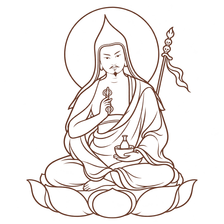
正文 · 英中对照
Homage to the Three Jewels. Homage to the venerable lady Tārā. Homage to the Blessed Śākyamuni.
顶礼三宝!顶礼至尊度母!顶礼世尊释迦牟尼!
Thus did I hear at one time. The Blessed One was dwelling in the realm of gods atop Mount Meru. At that time, the goddess Tārā, who was in the assembly, spoke the following words:
如是我闻:一时,世尊住于须弥山顶的天界。尔时,会众中的度母天女说:
“Now that you have reached this jewel-like higher realm, You should understand actions and their results: Adhere to the good and abandon the bad, For those who engage in evil actions Will plunge downward when they pass from this world.
既得如宝之善趣, 当知诸业及业果; 应当依善舍诸恶, 凡是造作罪业者, 离此世后向下堕。
“Animals, dull and mute, devour one another. They climb and descend, up and down, on an abysmal path of toil. Terrified and afraid, they tremble in panic, As their dreadful suffering defies imagination.
畜生愚哑相吞食, 险途劳顿上下行; 恐惧惊慌极战栗, 忧怖痛苦不思议。
“Pretas suffer from hunger and thirst, their bodies deformed. If food and drink should appear, it is guarded by others, And even if they consume a little, it turns into fire and swords. Their suffering from hunger and thirst defies imagination.
饿鬼饥渴身畸形, 纵见饮食他守护; 少许入口成火刃, 饥渴痛苦不思议。
“Those beings who are born in the hell realms Are powerlessly led by Yama’s henchmen. Burned and boiled, they are sliced asunder by swords; Their suffering from heat and cold is unbearable.
所有生于地狱者, 无力自主狱卒牵; 焚烧烹煮刀割截, 寒热痛苦不能忍。
“Thus, those who commit evil deeds in this life Are committing a great injury to themselves. They will be tormented by intense suffering for many eons, With no chance to escape and no means of enduring it.
故于今生造罪业, 即是自作大损害; 多劫剧苦所逼恼, 无时得脱无力忍。
“Keep this clearly in mind, and understand the results of actions. Otherwise you will sow your own unbearable suffering and lament. Even others will be frightened by the terrible din of your agonized screams, For these kinds of sufferings are beyond imagination!
明记于心知业果, 莫自播种难忍苦; 悲号惨叫令他惧, 如是诸苦不思议。
“Whoever understands such grave faults Will abandon the causes of the three lower realms. Wherever evil manifests, subtle or coarse, Act swiftly by way of body, speech, and mind.
凡能深知诸过患者, 应尽舍弃三恶趣之因; 一切粗细罪业, 切莫由身语意三门造作。
“You will then be happy and offer help to all beings. You will give up attachment, aversion, and ignorance and strengthen the root of compassion. You will practice virtue, striving avidly with body, speech, and mind, And endeavor in this most profound quintessence.6
自己安乐利群生, 断贪嗔痴固悲根; 三门净信勤行善, 精勤修此甚深心要。
“The fruit of a flower overcome by frost, Although cultivated, will produce no sprouts. Likewise, those who transgress their vows and entertain doubts May practice the most profound of vidyāmantras, Thinking, ‘Blessings will come,’ but this is impossible— Their efforts amount to meaningless hardship.
如花遭霜所结果, 纵加耕作芽不生; 毁戒怀疑之人等, 虽修甚深诸明咒, 自谓得加持亦不可能, 所作勤劳徒受苦。
“Their vidyāmantra becomes like the prattle of common folk, And their absorption resembles the musings of a child. But if people without fault practice vidyāmantras, They shall swiftly accomplish whatever they desire.
明咒犹如凡人言, 三昧亦似童稚想; 无过之人修明咒, 随其所欲速成就。
“Minute though it is, the seed of the banyan tree Well moistened with water and manure In seven months can grow as much as a league. If there can be so much change in outer matter, What need to speak of accomplishing knowledge with knowledge? The inner change of luminosity is beyond all measure.
譬如尼拘陀树种, 虽极微小水肥足, 七个月能长一由旬; 外在物质尚有如此变化, 何况以明觉成就明觉! 内在光明之转变,实无可量。
“If one relies on a merchant who knows the way And sets out to sea in an excellent ship, One will find whatever riches are desired And sail smoothly back to one’s home.
若依熟知航路的商主, 乘坚良之船入海, 便能取得所欲珍宝, 安然返回自己的居所。
“If one relies on love, compassion, joy, and equanimity And practices virtue endowed with the mind of awakening, One will set out on a truly perfect path And be sure to reach the land of wisdom.
若依慈、悲、喜、舍, 具菩提心而修善, 即入真实圆满之道, 必至智慧之地。
“When an arrow is released from a person’s fingers, It has certainly been shot, even if one thinks otherwise. When a person fully comprehends the meaning of reality, The other shore has been reached, even if one thinks otherwise.
箭若已离射者之手, 纵想未射,也已射出; 人若通达法性之义, 纵想未到,也已到达彼岸。
“Once the aspects of conduct are naturally perfected, The fruit of buddhahood will undoubtedly be attained. When the pristine nature of reality is realized, There is no self, no life force, and also no termination of life force. There is no action and no ripening of action. The extremes are abandoned, and one is liberated.
诸行自然圆满, 获得佛果无疑; 若悟清净法性, 无我,无命,也无命可断, 无业,亦无业之异熟; 尽离诸边,其人解脱。
“In order for you to realize that goal, Devotedly recite this quintessence as I proclaim it. If you do, the evil deeds of three incalculable eons will be eradicated, The three lower realms and all the suffering of saṃsāra will be purified, And the obscurations will be cleared away. The meaningful quintessence is as follows:
为令你们证得此义, 应恭敬念诵我所说心要; 如是三无数劫之罪亦尽, 三恶趣与轮回一切痛苦悉净, 诸障亦得清除。 具义心要如下:
oṁ, bodhisattva great lady, goddess, please protect us!7 oṁ nama āryāvalokiteśvarāya bodhisattvāya mahāsattvāya mahākāruṇikāya |8 tadyathā |9 oṁ tāre tuttāre ture sarvaduṣṭān praduṣṭān mama kṛte jambhaya stambhaya mohaya bandhaya hūṁ hūṁ hūṁ phaṭ phaṭ phaṭ svāhā |10 nama āryāvalobhayā narā bodhisattvā mahāsattvāni adhiṣṭhānādhiṣṭhite mama sarvakarmāvaraṇa svabhāvaśuddhe viśuddhe śodhaya viśodhaya hūṁ phaṭ svāhā |11
此处只有嗡音可核;其后藏语为已经义译的祈请句,未取得对应梵语音写,不还原不拟造;藏文整段照本保留,中文祈请义译仍见正文
梵语转写
oṃ
藏文原文
ཨོཾ་བྱང་ཆུབ་སེམས་དཔའ་སེམས་དཔའ་ཆེན་མོ། ལྷ་མོ་ཁྱོད་ཀྱིས་བསྐྱབ་ཏུ་གསོལ། །
汉语音译
嗡
菩萨摩诃萨、天女,祈请您救护我等!
梵语转写
oṃ nama āryāvalokiteśvarāya bodhisattvāya mahāsattvāya mahākāruṇikāya tadyathā
藏文原文
ཨོཾ་ན་མོ་ཨཱརྱ་ཨ་བ་ལོ་ཀི་ཏེ་ཤྭ་རཱ་ཡ། བོ་དྷི་སཏྭཱ་ཡ། མ་ཧཱ་སཏྭཱ་ཡ། མ་ཧཱ་ཀཱ་རུ་ཎི་ཀཱ་ ཡ། ཏདྱ་ཐཱ།
汉语音译
嗡 那玛 阿尔雅瓦洛吉得湿瓦惹雅 波提萨特特瓦雅 玛哈萨特特瓦雅 玛哈嘎如尼嘎雅 达德雅他
梵语转写
oṃ tāre tuttāre ture sarvaduṣṭān praduṣṭān mama kṛte jambhaya stambhaya mohaya bandhaya hūṃ hūṃ hūṃ phaṭ phaṭ phaṭ svāhā
藏文原文
ཨོཾ་ཏཱ་རེ་ཏུཏྟཱ་རེ་ཏུ་རེ་སརྦ་དུཥྚཱ་ན། པྲ་དུཥྚཱ་ན་མ་མ་ཀྲྀ་ཏེ། ཛམྦྷ་ཡ། སྟམྦྷ་ཡ། མོ་ཧ་ཡ། བན་དྷ་ཡ། ཧཱུྃ་ཧཱུྃ་ཧཱུྃ། ཕཊ་ཕཊ་ཕཊ་སྭཱ་ཧཱ།
汉语音译
嗡 达惹 杜特达惹 杜惹 萨尔瓦杜什达恩 普惹杜什达恩 玛玛 克里得 加姆巴雅 斯达姆巴雅 摩哈雅 班达雅 吽 吽 吽 帕特 帕特 帕特 斯瓦哈
梵语转写
nama āryāvalobhayā narā bodhisattvā mahāsattvāni adhiṣṭhānādhiṣṭhite mama sarvakarmāvaraṇa svabhāvaśuddhe viśuddhe śodhaya viśodhaya hūṃ phaṭ svāhā
藏文原文
མ་མ་ཨཱརྱཱ་བ་ལོ་བྷ་ཡཱ་ན་རཱ། བོ་དྷི་སཏྭཱ། མ་ཧཱ་སཏྭཱ་ནི། ཨདྷི་ཥྛཱི་ཏེ་མ་མ་སརྦ་ཀརྨ་ཨཱ་བ་ར་ཎ་སྭ་བྷཱ་བ། ཤུད་དྷེ་ བི་ཤུ་ད་དྷེ། ཤོ་དྷ་ཡ་བི་ཤོ་དྷ་ཡ་ཧཱུྃ་ཕཊ་སྭཱ་ཧཱ།
汉语音译
那玛 阿尔雅瓦洛巴雅 那惹 波提萨特特瓦 玛哈萨特特瓦尼 阿提什塔那提什提得 玛玛 萨尔瓦嘎尔玛瓦惹那 斯瓦巴瓦舒德得 维舒德得 绍达雅 维绍达雅 吽 帕特 斯瓦哈
“Then the goddess, who is herself The embodiment of buddhahood, is praised:12
随后,赞叹这位佛果的体现者——天女:
“ ‘Lady who acts with immense compassion for the good of beings— You have all the major and minor marks and are bedecked with precious substances. Your smile is ravishing, your countenance is joyful, And your eyes are like flax blossoms.
您以广大悲心成办众生利益, 相好圆满,珍宝庄严; 微笑美妙,容颜欢悦, 双目宛如亚麻花。
“ ‘Your ears are like blossoming trumpet flowers. Your nose is like a lotus bud. Your mouth is like a mallow in full bloom. You have a sparkling body and the figure of a young maiden.
双耳犹如盛开的喇叭花, 鼻如莲蕾, 口如盛开的锦葵, 身躯光彩焕发,具妙龄少女之相。
“ ‘Your speech is like a kalaviṅka bird, proclaiming the Dharma. Your compassionate mind guards all beings with love. Your left hand holds a lotus, for you are unstained by saṃsāra’s flaws. Your right hand grants protection to all beings to fulfill their aims.
语如迦陵频伽,宣扬法音; 悲心慈护一切有情。 左手持莲,不染轮回过患; 右手施护,成办有情之利。
“ ‘You are seated on the sun and moon of method and wisdom. Venerable lady Tārā, we take refuge in you! Protect us from the great abyss of saṃsāra!
安住方便与智慧的日月座, 至尊度母,我等皈依您! 请救护我等脱离轮回大险渊!
“ ‘As we circle within the six transmigrations, May you secure us with your noose of great compassion. As we go astray into the three lower realms, May you place us on a path free from straying.
莫令我等流转六趣, 请以大悲绳索摄持我等; 莫令我等堕入三恶趣, 请安置我等于无迷途之道。
“ ‘As we are born into families with wrong views, Please introduce us to teachers who possess the mind of awakening, Lest we encounter unwholesome teachers.
莫令我等生于邪见之家, 请令我等值遇具菩提心的上师, 莫令我等遇见恶知识。
“ ‘You protect from the eight dangers— Lions, elephants, fire, snakes, Robbers, waters, infectious diseases, and demons. We pay homage to you! In this world and in others as well, Protect us from these eight dangers!
狮子、大象、火、毒蛇, 盗贼、水、疫病及食肉鬼, 您从这八种怖畏中施予救护, 我等向您顶礼! 于此世及他世, 祈请救护我等远离八难!
“ ‘Until we have reached our goal, the other shore, May we make the ten perfections of generosity, moral conduct, Patience, diligence, concentration, insight, Method, aspiration, strength, and wisdom Our inseparable allies!’
直至证得彼岸之果, 愿布施、持戒、忍辱、精进、 禅定、般若、方便、愿、 力与智这十波罗蜜多, 常与我等相伴,不相舍离!
“Sons and daughters of noble family should write down this teaching, read it, recite it, understand it, contemplate it correctly, and explain it extensively to others.” At her words, the whole assembly rejoiced and offered praise.
“诸善男子、善女人,应当书写此法,读诵、念诵、通达其义,如理思惟,亦应为他人广为宣说。”
她说此语后,一切会众皆大欢喜,称扬赞叹。
This completes the sūtra “Venerable Lady Tārā Who Protects from the Eight Dangers.”13
《至尊度母救护八难经》终。
藏文原典
{D731}༄༅། །རྒྱ་གར་སྐད་དུ། ཨཱརྱ་ཏཱ་ར་ཨཥྚ་གྷོ་རེ་ཏཱ་སྦཱི་སཱུ་ཏྲ། བོད་སྐད་དུ། འཕགས་མ་སྒྲོལ་མ་འཇིགས་པ་བརྒྱད་ལས་སྐྱོབ་པའི་མདོ། དཀོན་མཆོག་གསུམ་ལ་ཕྱག་འཚལ་ལོ། །རྗེ་བཙུན་མ་སྒྲོལ་མ་ལ་ཕྱག་འཚལ་ལོ། །བཅོམ་ལྡན་འདས་ཤཱཀྱ་ཐུབ་པ་ལ་ཕྱག་འཚལ་ལོ། །འདི་སྐད་བདག་གིས་ཐོས་པ་དུས་གཅིག་ན། བཅོམ་ལྡན་འདས་རི་རབ་ཀྱི་སྟེང་ལྷའི་གནས་ན་བཞུགས་ཏེ། དེ་ ཉིད་དུ་འཁོར་རྣམས་ཀྱི་ནང་ནས་ལྷ་མོ་སྒྲོལ་མས་འདི་སྐད་ཅེས་སྨྲས་སོ། །མཐོ་རིས་རིན་ཆེན་ལྟ་བུ་འདི་ཐོབ་ནས། །ལས་དང་ལས་ཀྱི་འབྲས་བུ་ཤེས་པར་བྱོས། །བཟང་པོ་སྟེན་ཅིང་ངན་པ་སྤང་བར་གྱིས། །གང་དག་སྡིག་པའི་ལས་རྣམས་སྤྱོད་བྱེད་པ། །འཇིག་ རྟེན་ཕ་རོལ་ཐུར་དུ་འབབ་འགྱུར་ཏེ། །དུད་འགྲོ་གླེན་ལྐུགས་གཅིག་ལ་གཅིག་ཟ་དང་། །གྱེན་ཐུར་འབབ་འཛེག་གཡང་ས་ངལ་བའི་ལམ། །འཇིགས་ཤིང་དངངས་སྐྲག་ཤིན་ཏུ་སྐྱི་གཡའ་བ། །ཟོན་དང་བཅས་པའི་སྡུག་བསྔལ་བསམ་མི་ཁྱབ། ། {ཡི་དགས་,ཡི་དྭགས་}ལྟོགས་ཤིང་སྐོམ་དང་ལུས་མི་འཚམ། །བཟའ་བཏུང་སྣང་ཡང་གཞན་གྱིས་བསྲུངས་པ་དང་། །ཁ་ཅིག་ཟོས་ཀྱང་མེ་དང་མཚོན་དུ་འགྱུར། །ལྟོགས་ཤིང་སྐོམ་པའི་སྡུག་བསྔལ་བསམ་མི་ཁྱབ། །དམྱལ་བར་སྐྱེས་པའི་སེམས་ཅན་དེ་དག་ནི། །རང་ དབང་མེད་པར་གཤིན་རྗེ་གདུག་པས་ཁྲིད། །བསྲེགས་ཤིང་བཙོས་ཏི་མཚོན་གྱིས་རབ་ཏུ་འཐུབ། །བསྲན་གླགས་མེད་པའི་སྡུག་བསྔལ་ཚ་དང་གྲང་། །དེས་ན་ཚེ་འདིར་སྡིག་པའི་ལས་བྱེད་པ། །རང་གིས་རང་ལ་མངན་ནི་ཆེར་བྱས་ཡིན། །བསྐལ་པ་མང་པོར་སྡུག་ བསྔལ་དྲག་པོས་གདུངས། །ཐར་པའི་དུས་མེད་བསྲན་པའི་གླགས་ཀྱང་མེད། །དྲན་པ་གསལ་བས་ལས་ཀྱི་འབྲས་བུར་ཤེས། །སྡུག་བསྔལ་མ་བཟོད་སྨྲེ་སྔགས་རང་ལ་རྨོ། །སྐད་ངན་དྲག་པོའི་ཀུ་སྒྲས་གཞན་ཡང་སྐྲག །དེ་ལ་སོགས་ཏེ་སྡུག་བསྔལ་བསམ་མི་ ཁྱབ། །གང་དག་ཉེས་དམིགས་རབ་ཏུ་ཤེས་གྱིས་ལ། །ངན་སོང་གསུམ་གྱི་རྒྱུ་རྣམས་རབ་ཏུ་སྤངས། །སྡིག་པའི་རྣམ་པ་ཕྲ་རགས་གང་ལ་ཡང་། །ལུས་ངག་ཡིད་ཀྱི་སྒོ་ནས་སྤྱད་ཏ་རེ། །རང་ཡང་བདེ་ལ་འགྲོ་རྣམས་ཡོངས་ལ་ཕན། །ཆགས་སྡང་རྨོངས་སྤངས་སྙིང་ རྗེའི་རྩ་བ་བརྟན། །སྒོ་གསུམ་དང་བས་འབད་དེ་དགེ་བ་སྤྱད། །ཤིན་ཏུ་ཟབ་པའི་སྙིང་པོ་འདི་ལ་འབད། །མེ་ཏོག་སད་ཀྱིས་ཁྱེར་བའི་འབྲས་བུ་ལ། །སོ་ནམ་བྱས་ཀྱང་མྱུ་གུ་མི་སྐྱེ་ལྟར། །སྡོམ་ཉམས་ཐེ་ཚོམ་ཟོས་པའི་གང་ཟག་གིས། །ཤིན་ཏུ་ཟབ་པའི་རིག་སྔགས་ བསྒྲུབ་གྱུར་ཀྱང་། །བྱིན་བརླབས་འབྱུང་ངོ་སྙམ་ཡང་འབྱུང་མི་སྲིད། །རྩོལ་བ་དེ་དག་ངལ་བ་དོན་མེད་འགྱུར། །རིག་སྔགས་དེ་ཡང་སྐྱེ་བོའི་ཚིག་དང་མཚུངས། །ཏིང་འཛིན་རྣམས་ཀྱང་བྱིས་པའི་བསམ་པ་འདྲ། །སྐྱོན་མེད་སྐྱེས་བུས་རིག་སྔགས་དེ་བསྒྲུབས་ན། །ཇི་ལྟར་ འདོད་པ་བཞིན་དུ་མྱུར་དུ་འགྲུབ། །དཔེར་ན་ནྱ་གྲོ་དྷ་ཡི་ས་བོན་ནི། །ཤིན་ཏུ་ཕྲ་ཡང་ཆུ་ལུད་ལེགས་བྲན་ན། །དགུང་ཟླ་བདུན་ན་དཔག་ཚད་ཙམ་དུ་སྐྱེ། །བེམས་པོ་ཕྱི་ཡི་འགྱུར་ཡང་དེ་འདྲ་ན། །རིག་པས་རིག་པ་བསྒྲུབ་པ་ལྟ་ཅི་སྨོས། །འོད་གསལ་ནང་གི་འགྱུར་ལ་དཔག་ཏུ་ མེད། །ཚོང་དཔོན་ལམ་ལ་མཁས་པ་དག་ལ་བརྟེན། །གྲུ་ཚགས་ལེགས་པས་རྒྱ་མཚོར་ཞུགས་གྱུར་ན། །རིན་ཆེན་འདོད་པ་བཞིན་དུ་རྙེད་གྱུར་ནས། །རང་གི་གནས་སུ་ལེགས་པར་ཕྱིན་པ་ཡིན། །བྱམས་དང་སྙིང་རྗེ་དགའ་དང་བཏང་སྙོམས་རྟེན། །བྱང་ ཆུབ་སེམས་ལྡན་དགེ་བ་སྦྱང་གྱུར་ན། །ཡང་དག་རྫོགས་ཀྱི་ལམ་ལ་ཞུགས་འགྱུར་ཏེ། །ངེས་པར་མཁྱེན་ཉིད་ས་ལ་འགྲོ་བར་འགྱུར། །མདའ་ཉིད་སྐྱེས་བུའི་འཐེབ་ནས་ཤོར་གྱུར་ན། །མི་འཕང་སྙམ་ཡང་ཤིན་ཏུ་འཕངས་པར་འགྱུར། །ཆོས་ཉིད་དོན་ཀུན་ ཆུབ་པའི་གང་ཟག་ནི། །མི་ཕྱིན་སྙམ་ཡང་ཕ་རོལ་ཕྱིན་པར་འགྱུར། །བྱ་ཆའི་རྣམ་པ་རང་བཞིན་རྫོགས་གྱུར་ནས། །སངས་རྒྱས་འབྲས་བུ་འཐོབ་པར་ཐེ་ཙོམ་མེད། །ཆོས་ཉིད་རྣམ་པར་དག་པ་དེ་རྟོགས་ན། །བདག་མེད་སྲོག་མེད་སྲོག་ཀྱང་གཅད་དུ་མེད། །ལས་མེད་ དེ་ཡི་རྣམ་པར་སྨིན་པ་མེད། །མཐའ་རྣམས་རབ་སྤངས་སྐྱེས་བུ་རྣམ་པར་གྲོལ། །དེ་དོན་རྟོགས་ཕྱིར་བདག་གིས་བཤད་པ་ཡི། །སྙིང་པོ་འདི་ལ་གུས་པས་བཟླས་གྱུར་ན། །བསྐལ་པ་གྲངས་མེད་གསུམ་གྱི་སྡིག་ཀྱང་འཛད། །ངན་སོང་གསུམ་དང་འཁོར་བའི་སྡུག་བསྔལ་ ཀུན། །རབ་ཏུ་སྦྱོང་ཞིང་སྒྲིབ་པ་རྣམས་ཀྱང་འདག །དོན་དང་ལྡན་པའི་སྙིང་པོ་འདི་ལྟ་སྟེ། །ཨོཾ་བྱང་ཆུབ་སེམས་དཔའ་སེམས་དཔའ་ཆེན་མོ། ལྷ་མོ་ཁྱོད་ཀྱིས་བསྐྱབ་ཏུ་གསོལ། །ཨོཾ་ན་མོ་ཨཱརྱ་ཨ་བ་ལོ་ཀི་ཏེ་ཤྭ་རཱ་ཡ། བོ་དྷི་སཏྭཱ་ཡ། མ་ཧཱ་སཏྭཱ་ཡ། མ་ཧཱ་ཀཱ་རུ་ཎི་ཀཱ་ ཡ། ཏདྱ་ཐཱ། ཨོཾ་ཏཱ་རེ་ཏུཏྟཱ་རེ་ཏུ་རེ་སརྦ་དུཥྚཱ་ན། པྲ་དུཥྚཱ་ན་མ་མ་ཀྲྀ་ཏེ། ཛམྦྷ་ཡ། སྟམྦྷ་ཡ། མོ་ཧ་ཡ། བན་དྷ་ཡ། ཧཱུྃ་ཧཱུྃ་ཧཱུྃ། ཕཊ་ཕཊ་ཕཊ་སྭཱ་ཧཱ། མ་མ་ཨཱརྱཱ་བ་ལོ་བྷ་ཡཱ་ན་རཱ། བོ་དྷི་སཏྭཱ། མ་ཧཱ་སཏྭཱ་ནི། ཨདྷི་ཥྛཱི་ཏེ་མ་མ་སརྦ་ཀརྨ་ཨཱ་བ་ར་ཎ་སྭ་བྷཱ་བ། ཤུད་དྷེ་ བི་ཤུ་ད་དྷེ། ཤོ་དྷ་ཡ་བི་ཤོ་དྷ་ཡ་ཧཱུྃ་ཕཊ་སྭཱ་ཧཱ། དེ་ནས་སངས་རྒྱས་ཉིད་ཀྱིས་སུ། །ལྷ་མོ་ཉིད་ལ་རབ་ཏུ་བསྟོད། །ཐུགས་རྗེ་ཤིན་ཏུ་ཆེ་བས་འགྲོ་བའི་དོན་མཛད་མ། །མཚན་དང་དཔེ་བྱད་རྫོགས་ཤིང་རིན་ཆེན་རྒྱན་གྱིས་སྤྲས། །ཤིན་ཏུ་མཛེས་ཚུལ་འཛུམ་ ཞིང་བཞད་པའི་བཞིན། །སྤྱན་གྱི་སྐྱེ་མཆེད་ཟར་མའི་པདྨ་འདྲ། །སྙན་གྱི་སྐྱེ་མཆེད་ཨུག་ཅོས་བྱེ་བ་འདྲ། །ཤངས་ཀྱི་སྐྱེ་མཆེད་ཨུཏྤལ་བུམ་བུ་འདྲ། །ཞལ་གྱི་མཆེད་ཧ་ལོ་རྒྱས་པ་འདྲ། །སྣ་ཚོགས་སྐུ་མངའ་ན་ཆུང་མཚན་ལྡན་སྐུ། །ཆོས་ཀྱི་སྒྲ་སྒྲོགས་ཀ་ལ་པིང་ ཀའི་གསུང་། །སེམས་ཅན་ཀུན་ལ་བྱམས་མགོན་ཐུགས་རྗེའི་ཐུགས། །འཁོར་བའི་སྐྱོན་གྱིས་མ་གོས་པདྨ་གཡོན། །སེམས་ཅན་དོན་རྣམས་མཛད་ཕྱིར་སྐྱབས་སྦྱིན་གཡས། །ཐབས་དང་ཤེས་རབ་ཉི་ཟླའི་གདན་ལ་བཞུགས། །རྗེ་བཙུན་སྒྲོལ་མ་ལ་ནི་སྐྱབས་ སུ་མཆི། །འཁོར་བའི་གཡང་ས་ཆེ་ལས་བདག་སྐྱོབས་ཤིག །འགྲོ་དྲུག་རང་ཁའི་གནས་སུ་འཁོར་ར་རེ། །ཐུགས་རྗེ་ཆེན་མོའི་ཞགས་པས་བདག་ཟུང་ཤིག །ངན་སོང་གསུམ་གྱི་གནས་སུ་ཤོར་ར་རེ། །འཁྱམས་མེད་པ་ཡི་ལམ་དུ་བདག་ཆུག་ཤིག །ལོག་པར་ ལྟ་བའི་རིགས་སུ་སྐྱེས་ས་རེ། །བླ་མ་བྱང་སེམས་མངའ་དང་བདག་སྤྲོད་ཅིག །བཤེས་གཉེན་ངན་པ་དག་དང་ཕྲད་ཏ་རེའོ། །སེང་གེ་གླང་ཆེན་མེ་དང་སྦྲུལ། །མི་རྒོད་ཆུ་དང་རིམས་རྣམས་དང་། །ཤ་ཟས་འཇིགས་པ་བརྒྱད་པོ་ལས། །སྐྱོབ་མཛད་ཁྱེད་ལ་ཕྱག་ འཚལ་ལོ། །འཇིག་རྟེན་འདི་དང་གཞན་དག་ཏུ། །འཇིགས་པ་བརྒྱད་ལས་བསྐྱབ་ཏུ་གསོལ། །ཕ་རོལ་འབྲས་བུ་མ་ཐོབ་བར་དག་ཏུ། །སྦྱིན་དང་ཚུལ་ཁྲིམས་བཟོད་པ་བརྩོན་འགྲུས་དང་། །བསམ་གཏན་ཤེས་རབ་ཐབས་དང་སྨོན་ལམ་དང་། །སྟོབས་དང་དེ་ བཞིན་ཡེ་ཤེས་ཕ་རོལ་ཕྱིན། །བཅུ་པོ་དེ་དང་མི་འབྲལ་འགྲོགས་པར་ཤོག །རིགས་ཀྱི་བུའམ་རིགས་ཀྱི་བུ་མོ་གང་ལ་ལས་ཆོས་འདི་བྲི་བ་དང་། བཀླག་པ་དང་། ཁ་ཏོན་དང་། ཀུན་ཆུབ་པ་དང་། ཚུལ་བཞིན་དུ་ཡིད་ལ་བྱ་བ་དང་། གཞན་དག་ལ་ཡང་རྒྱ་ཆེར་བསྟན་པར་ བྱའོ་ཞེས་བཀའ་སྩལ་པ་དང་། ཐམས་ཅད་དང་ལྡན་པའི་འཁོར་རྣམས་ཡི་རངས་ཏེ་མངོན་པར་བསྟོད་དོ། །རྗེ་བཙུན་མ་སྒྲོལ་མ་འཇིགས་པ་བརྒྱད་ལས་སྐྱོབ་པའི་མདོ་རྫོགས་སོ།།
原英译注
Notes
Parts of this dhāraṇī are also found in other dhāraṇīs to Tārā such as the Sādhanamālā mantra of Vajratārā (Bhattacharyya 1925, p. 178) and The Dhāraṇī of Tārā (Toh 729, sgrol ma’i gzungs), to give only two examples.
For various iconographic descriptions of Tārā Who Protects from the Eight Dangers, see for example Shin 2010, pp. 20–22 and Shaw 2006, pp. 319–322.
The Kangyur manuscripts suggest that the Sanskrit title of this text was *Āryatārāṣṭaghoretāsvīsūtra or a variant thereof. We have followed the Tōhoku catalogue, amending the title to *Āryatārāṣṭaghora tāraṇīsūtra. It is worthwhile to note that the Sanskrit term *aṣṭaghora appears to be a unique way to refer to the eight dangers. The commonly used Sanskrit term is aṣṭamahābhaya. Both terms are very similar in meaning and both can be translated into Tibetan as ’jigs pa [chen po] brgyad.
Interestingly, the text is only found in Kangyur collections of the Tshalpa (tshal pa) group, such as the Degé, Lhasa, Lithang, and Choné Kangyurs. It is not included in any of the Thempangma (them spangs ma) group, the Ladakh/Mustang Kangyur collections, or the Dunhuang collections.
See Willson 1996, pp. 87–93. Willson’s translation is based on the Peking Kangyur version of the sūtra.
Quintessence (hṛdaya, snying po) here refers to a dhāraṇī that is considered to encapsulate the essence of a deity, in this case Tārā.
The first part of this dhāraṇī is an homage to Tārā. Since the Tibetan translators chose to render this part into Tibetan, it is also translated into English here.
The second part of this dhāraṇī presents a standard homage to Avalokiteśvara. We have amended namo to nama following the homage as given in the Vajratārāsādhanas in the Sādhanamālā (see e.g. Bhattacharyya 1925, p. 178) and The Dhāraṇī of Tārā. A tentative translation of it is as follows: “oṁ! Homage to Noble Avalokiteśvara, the bodhisattva mahāsattva, the great compassionate one!”
Tadyathā, literally “it is like this,” is used to indicate the beginning of a mantra.
The third part of this dhāraṇī is a request to Tārā to dispel obstacles. This part is found as an independent dhāraṇī in, for example, the Sādhanamālā as the mantra of Vajratārā (Bhattacharyya 1925, p. 178), The Dhāraṇī of Tārā, and elsewhere (Beyer 1978, pp. 280–281). A tentative translation of it is as follows: “It is like this: oṁ! Deliverer! Savior! Swift One! Crush, suppress, confound, restrain all the wrong and evil beings for me! hūṁ hūṁ hūṁ phaṭ phaṭ phaṭ svāhā!”
The fourth part of this dhāraṇī is a request to Tārā to purify one’s obscurations. We have amended the first two beginning syllables mama to nama following the dhāraṇī as given in Butön’s Dhāraṇī Collection (gzungs bsdus) in his Collected Works (gsung ’bum). The remaining part of the dhāraṇī appears to be corrupted. The letters bha and ka are very similar and often confused in old Newar and other scripts, so āryāvalobha- probably was originally āryāvaloka-. This is probably a reference to Āryāvalokiteśvara, whose name might have been followed by the standard bhodhisattvo mahāsattvaḥ. A tentative translation is as follows: “Homage to you, [Tārā,] empowered with the blessing of Noble Avalokita, the great bodhisattva mahāsattva! Purify, completely purify, cleanse, and completely cleanse all my karmic obscurations! hūṁ phaṭ svāhā!” 15
This is a tentative rendering of the phrase: de nas sangs rgyas nyid kyis su/ /lha mo nyid la rab tu bstod.
The title listed here differs from the title given on the first page as “Noble” (’phags ma) is missing. Instead, “Venerable Lady” (rje btsun ma) is added. The Comparative Edition notes that the Lithang and Choné versions add yang zhus ste/te skar to the end of the colophon (p. 601). The phrase could be rendered as “re-edited and sorted.” 16