本版为2026年依据英文原版重新完成的 AI 辅助中文新译,经过模型逐块审校,尚未人工定稿。原书作者、原英译者与编辑的署名均按原书保留;他们并非本次中文译者。
TRANSLATOR’S INTRODUCTION
英译者导言
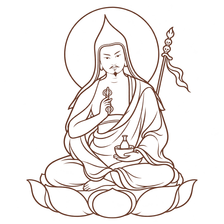
The Heart Essence of the Sublime Lady of Immortality is one of the most famous and revered termas of Jamyang Khyentse Wangpo. Thanks to its power and blessings, all his greatest students, such as Jamgön Kongtrul Lodrö Taye and the 14th and 15th Karmapas, were able to remove obstacles to their long lives and activities. According to prophecy, had it not been for this practice, the life of Jamgön Kongtrul would have been fraught with obstacles and much shorter. More recently, it was the main practice of Jamyang Khyentse Chökyi Lodrö, Dudjom Rinpoche, Dilgo Khyentse Rinpoche and Trulshik Rinpoche. It is also the heart practice of His Holiness Sakya Gongma Trichen Rinpoche.
《无死圣母心髓》是蒋扬钦哲旺波最著名、最受尊崇的伏藏之一。凭借它的威力与加持,他最卓越的弟子,如蒋贡康楚罗卓泰耶、第十四世与第十五世噶玛巴,都得以遣除长寿及事业的障碍。预言说,若非此修法,蒋贡康楚的一生将充满障碍,寿命也会短得多。较近代,它是蒋扬钦哲确吉罗卓、敦珠仁波切、顶果钦哲仁波切和楚西仁波切的主要修法,也是萨迦贡玛赤钦仁波切法王的心要修法。
The Heart Essence of the Sublime Lady of Immortality or Chimé Phakmé Nyingtik is a Secret Mantra Vajrayana practice. As such, to benefit from this book and the practice, it is essential that you first receive the Chimé Phakmé Nyingtik empowerment. If you have yet to receive the empowerment and reading transmission, it’s best to keep this book on your shrine as an object of veneration until you receive them. The empowerment is a must, not an option. According to the Mirror of the Heart of Vajrasattva tantra, “In the Secret Mantra Vehicle, there can be no accomplishment without empowerment; it is like a boatman with no oars”.
《无死圣母心髓》,亦即 Chimé Phakmé Nyingtik,是秘密真言金刚乘的修法。因此,要从本书与修法获益,首先接受无死圣母心髓灌顶至关重要。如果尚未获得灌顶与读诵传承,最好将本书供在佛堂上作为敬奉之物,直至获得二者。灌顶是必需的,并非可有可无。《金刚萨埵心镜续》说:“秘密真言乘中,不经灌顶不能成就,犹如舟子无桨。”
I came up with the idea of producing a book that focuses exclusively on the Chimé Phakmé Nyingtik at the end of 2020, after I heard that Dzongsar Khyentse Rinpoche had asked many of his students to practise the Chime Phakmé Nyingtik throughout the Iron Ox Year (2021). When I realised that, I began to think that it would be a good idea to compile all the commentaries and teachings on the Heart Essence of the Sublime Lady of Immortality that I have worked on over the years into one book and then dedicate it to the long lives of both Dzongsar Khyentse Rinpoche and Neten Chokling Rinpoche.
2020年底,我听说宗萨钦哲仁波切请许多弟子在整个铁牛年(2021年)修持无死圣母心髓,此后便生起编一本专讲此法的书的想法。了解到这件事后,我开始觉得,把这些年来自己参与译制的所有无死圣母心髓论释和教言汇成一书,再回向宗萨钦哲仁波切与内敦秋林仁波切长久住世,会是一件好事。
Fifteen years ago, a teaching on the Chimé Phakmé Nyingtik was the first sadhana teaching that I translated live—well, let’s say that I attempted to translate it. One evening, about twenty practitioners locked themselves into a shrine room with Tulku Orgyen Tobgyal to receive teachings on the Heart Essence of the Supreme Lady of Immortality and dragged me along with them. Since then, I have often translated Tulku Orgyen Tobgyal’s Chimé Phakmé Nyingtik teachings. Over the years, I have also translated and revised Jamgön Kongtrul Lodrö Taye’s Retreat Manual and the sadhana. The last time I worked on the sadhana was a Chimé Phakmé Nyingtik drupchen in Bir, during which I once again checked the text thoroughly with Khenpo Yeshe Dorje. Khenpo is the abbot of Chokling Monastery in Bir, Northern India, and is famous for his ritual knowledge. I also consulted Yongdzin Khen Rinpoche, Yeshe Gyaltsen, who was the tutor of Yangsi Dilgo Khyentse Rinpoche and a staunch Chimé Phakmé Nyingtik practitioner. When Yongdzin Khen Rinpoche couldn’t answer my questions, we asked Tulku Orgyen Tobgyal himself, who has Dilgo Khyentse Rinpoche’s personal copy of the text of the sadhana that is more accurate than the version commonly used by Tibetans, and he clarified a number of questions in consultation with that text.
十五年前,我第一次现场翻译成就法教言,译的就是无死圣母心髓——好吧,应该说,是尝试着翻译。有一天晚上,约二十位修行人与乌金督佳仁波切一起把自己关进佛堂,领受无死至尊圣母心髓教言,也把我拉了进去。自那以后,我经常翻译乌金督佳仁波切的无死圣母心髓教言。这些年我也翻译并修订过蒋贡康楚罗卓泰耶的《闭关手册》及成就法。我最后一次处理成就法文本,是在比尔举行的无死圣母心髓大修法会期间,当时又与堪布益西多杰一起彻底核对了一遍。堪布是印度北部比尔秋林寺的住持,以精通仪轨闻名。我还请教了永增堪仁波切益西坚赞(Yeshe Gyaltsen),他是顶果钦哲扬希仁波切的经师,也是坚定修持无死圣母心髓的人。若永增堪仁波切也无法回答我的问题,我们就请教乌金督佳仁波切本人。他持有顶果钦哲仁波切个人使用的成就法文本,比藏人普遍使用的版本更准确;他参照该本,澄清了许多问题。
Although I have always tried to retranslate and upload the most significant of Orgyen Tobgyal’s oral teachings to his website,1 many dharma friends have urged me to produce a compilation of the Chimé Phakmé Nyingtik teachings as a physical book. This is another reason I have compiled this book. My goal was to produce as definitive a set of teachings as possible. I have therefore included as many of the relevant texts by the great masters of this lineage as I could find. So in addition to Jamgön Kongtrul’s Retreat Manual, I translated Jamyang Khyentse Wangpo’s answers to questions about the Chimé Phakmé Nyingtik that had formed the basis of the Retreat Manual. Han Kop and Adam Pearcey, with the help of Alak Zenkar Rinpoche, Khenpo Sonam Tsewang and Ven. Tenzin Jamchen (Sean Price), produced—on very short notice—a translation of Jamyang Khyentse Chökyi Lodrö’s practice instructions. Dilgo Khyentse Rinpoche’s two-page visualization guide is also included, most of which he copied from Jamyang Khyentse Wangpo. That really is a gem of a text and has been wonderfully translated by Patrick Gaffney. It might be a good piece to keep on your table as you do a retreat. All these teachings, everything you find in this book, reveal the profound views, powerful meditations, sacred conduct and ultimate goals of the Vajrayana teachings of Tibetan Buddhism.
虽然我一直尽力重新翻译乌金督佳最重要的口头教言,并上传到他的网站,[1] 许多法友仍敦促我将无死圣母心髓教言编成纸本书。这也是我编此书的另一原因。我的目标是尽可能编成一套可靠完备的教言,因此将能找到的本传承历代大德所作的相关文本尽量收入。除蒋贡康楚的《闭关手册》外,我还翻译了蒋扬钦哲旺波就无死圣母心髓所作的答问;《闭关手册》正是以这些答问为基础。Han Kop 与 Adam Pearcey 在阿拉禅卡仁波切、堪布索南次旺及尊者 Tenzin Jamchen(Sean Price)的帮助下,在极短时间内译出了蒋扬钦哲确吉罗卓的实修指导。书中还收入顶果钦哲仁波切的两页观想指南,其大部分抄录自蒋扬钦哲旺波的文字。这篇确是珍宝般的文本,Patrick Gaffney 的翻译也十分精彩;闭关时或许很适合放在桌边。这一切教言,本书所收入的全部内容,都揭示了藏传佛教金刚乘教法甚深的见地、强有力的禅修、神圣的行持与究竟目标。
I hope this book will provide beginning and advanced practitioners with the information they need to practise the Chimé Phakmé Nyingtik. It contains instructions and commentaries by the great masters of this lineage, as well as advice from the oral lineage given by Tulku Orgyen Tobgyal. Not only do these teachings represent all the information necessary for practising the Chimé Phakmé Nyingtik and clarify a number of points that apply to all sadhana practices, but Tulku Orgyen Tobgyal is also a great coach and motivator, so these pages are also a source of enthusiasm and confidence in the different aspects of these practices, which is an invaluable source of inspiration while on retreat. So even if you don’t practise the Chimé Phakmé Nyingtik, you can benefit from reading this book. Orgyen Tobgyal’s presentations of kyerim practice based on the Chimé Phakmé Nyingtik in particular is packed with practical instructions passed down from the great siddhas of this lineage.
我希望本书能为初学及深入修持者提供修持无死圣母心髓所需的资料。书中既有本传承大德的指导和论释,也有乌金督佳仁波切所传口耳传承的教诫。这些教言不仅提供修持无死圣母心髓所需的全部信息,并澄清适用于一切成就法修持的许多要点;乌金督佳仁波切还是出色的指导者,善于激励人,因此书中内容也能使人对这些修法的各个方面生起热情和信心,在闭关时成为极宝贵的鼓舞来源。所以,即便你不修无死圣母心髓,读本书也能获益。尤其是乌金督佳依据无死圣母心髓所讲的生起次第,充满了本传承历代大成就者传下的实修指导。
CHIMÉ PHAKMÉ NYINGTIK: REVELATION AND TRANSMISSION
无死圣母心髓:取藏与传承
White Tara was Jamyang Khyentse Wangpo’s main yidam. Just before dawn, one morning early in 1855, Jamyang Khyentse Wangpo had a vision of White Tara, the Wish-Fulfilling Wheel. She appeared in the sky before him, and her ten-syllable mantra OM TARE TUTTARE TURE SOHA resounded everywhere. She then dissolved into him, and he became indivisible from Tara’s enlightened body, speech and mind; in that moment he had a profound experience of primordial wisdom. When he arose from that state Shri Singha, Vimalamitra and Guru Rinpoche, the three masters who had attained the vidyadhara level of power over life, appeared in front of him. Joyfully, they gave him an empowerment, then melted into light; and the moment they dissolved into him, his ordinary consciousness dissolved within the expanse of the dharmadhatu, and the combined blessings of the three great masters made it possible for the entire Chimé Phakmé Nyingtik—all the tantras, empowerments, pith instructions and sadhanas—to enter his wisdom mind as clearly and distinctly as a reflection in a mirror.
白度母是蒋扬钦哲旺波的主要本尊。1855年初的一天清晨,黎明前夕,蒋扬钦哲旺波见到了白度母如意轮的净相。她显现在他面前的虚空中,十字咒 OM TARE TUTTARE TURE SOHA 响彻四方。随后她融入他,他便与度母的觉悟身语意无二无别;就在那一刻,他深深体验了本初智慧。当他从此境界起定时,已证得寿命自在持明位的三位上师——吉祥狮子、无垢友与莲师——出现在他面前。他们欢喜地为他灌顶,而后化光;就在融入他的刹那,他的凡常意识消融于法界广境之中,三位大德共同的加持,使整部无死圣母心髓——一切续典、灌顶、口诀与成就法——进入他的智慧心,清晰分明,如镜中影像。
The following day Khyentse Wangpo began to transcribe the sadhana, with the help of Vimalamitra, who gave him repeated blessings and even checked the manuscript after Jamyang Khyentse Wangpo had written it. In Jamyang Khyentse Wangpo’s autobiography, he stated that he had not transcribed the entire Chimé Phakmé Nyingtik cycle—these details can only have been known to the tertön himself. He transcribed only the root sad-hana known as the Chimé Phakmé Nyingtik, the sadhana and instruction cycle of the lama known as Vima Ladrup (The Sadhana of Vimalamitra) and that of White Amitayus and Ushnisha Vijaya.
翌日,钦哲旺波开始记录成就法,无垢友给予协助,再三加持,甚至在蒋扬钦哲旺波写成后核对文稿。蒋扬钦哲旺波在自传中说,他并未把整个无死圣母心髓法类全部记录下来——这些细节只有伏藏师本人才知道。他只写下称为《无死圣母心髓》的根本成就法、名为《毗玛上师修法》(《无垢友成就法》)的上师成就法与指导法类,以及白色无量寿佛和尊胜佛母的法类。
For five years Jamyang Khyentse Wangpo practised these teachings in complete secrecy. Tertons are often instructed to keep termas secret for several years before transmitting them to the prophesied recipients. Then at Dokhoma near the Derge capital, he gave the empowerment and teachings of the Chimé Phakmé Nyingtik to Chokgyur Dechen Lingpa. The following night he dreamt that his mother gave him the heart of a dakini who had lost her life for the crime of having revealed what should be kept secret to those not bound by oath. In an age when social media announces very publicly the dates and times of tantric empowerments and teachings, for someone to have died for failing to keep the Vajrayana secret sounds a little extreme. However, Orgyen Tobgyal and other lamas have pointed out that our lack of secrecy is why, even after many years of practice, today’s practitioners show no signs of realization. Basically, their samayas are being compromised before they even start.
此后五年,蒋扬钦哲旺波完全秘密地修持这些教法。伏藏师往往被嘱咐,须将伏藏保密数年,方可传给预言中的受法者。后来,他在德格都城附近的 Dokhoma,为秋吉德钦林巴传授无死圣母心髓灌顶及教法。次夜,他梦见母亲给了他一位空行母的心脏;这位空行母因把应保密之事泄露给未受誓言约束的人而丧命。在如今这个通过社交媒体公开宣告密续灌顶与教法日期、时间的时代,竟有人因为未守金刚乘之密而死,听来似乎有点极端。然而乌金督佳及其他喇嘛指出,正是由于我们不保密,当今修行人才会修了多年仍不显现证悟之相。基本上,他们还没开始,三昧耶就已经受损了。
Having transmitted the Chimé Phakmé Nyingtik to Chokgyur Lingpa, Jamyang Khyentse Wangpo then gave it to the 14th Karmapa, Tekchok Dorje. He also gave it to Jamgön Kongtrul Rinpoche, who was then instrumental in spreading the Chimé Phakmé Nyingtik teachings. He compiled thirteen of the cycle’s twenty-seven texts based on the original terma, such as Ushnisha Vijaya practice, lineage prayer, short tsok, fire offering and the Retreat Manual, the translation of which can be found in Chapter 6 of this book. Later, Jamyang Khyentse Wangpo transmitted these teachings to his students, such as Tertön Sogyal, Shechen Gyaltsab Pema Namgyal, Karmapa Khakhyab Dorje, Dodrupchen Jigme Tenpe Nyima and Kathok Situ Chökyi Gyatso, among many others, all of whom took it as one of their main practices. Kathok Situ gave the empowerments and instructions to Jamyang Khyentse Chökyi Lodrö. It was such an important practice for Chökyi Lodrö that his biography tells us that he went to receive the empowerment ten times, then gave it all to Dilgo Khyentse Rinpoche. After completing the required practices seven times in retreat, Dilgo Khyentse Rinpoche gave everything to Dzongsar Khyentse Rinpoche, Neten Chokling Rinpoche and Tulku Orgyen Tobgyal, among others.
蒋扬钦哲旺波将无死圣母心髓传给秋吉林巴后,又传给第十四世噶玛巴特秋多杰。他也传给蒋贡康楚仁波切,后者对传播无死圣母心髓教法起了关键作用。在本法类的二十七篇文本中,他依据原始伏藏编成了十三篇,如尊胜佛母修法、传承祈请文、简轨荟供、火供及《闭关手册》;手册译文见本书第六章。后来,蒋扬钦哲旺波又将这些教法传给许多弟子,如伏藏师索甲、雪谦嘉察贝玛南嘉、噶玛巴卡恰多杰、多竹钦吉美丹贝尼玛、噶陀司徒确吉嘉措等;他们都将其作为主要修法之一。噶陀司徒将灌顶和指导传给蒋扬钦哲确吉罗卓。此法对确吉罗卓如此重要,他的传记记载,他曾十次前往领受灌顶,之后将全部传给顶果钦哲仁波切。顶果钦哲仁波切在闭关中七度完成规定修持后,又将全部传给宗萨钦哲仁波切、内敦秋林仁波切、乌金督佳仁波切等人。
THE CONTENTS OF THIS BOOK
本书内容
Tulku Orgyen Tobgyal gave the teachings presented in this book between the summer of 1996 and the end of July 2015. In 1996, the first Chimé Phakmé Nyingtik group practice took place at Lerab Ling. After His Holiness Sakya Gongma Trichen’s divination said that to remove obstacles to Sogyal Rinpoche’s life, an annual long-life ceremony or tenshuk (see Appendices 4 and 5) should be performed based on a Chimé Phakmé Nyingtik drupchen, Tulku Orgyen Tobgyal taught the Chimé Phakmé Nyingtik every year during those drupchens. He also gave detailed teachings at Tulku Pema Wangyal’s and later Dzongsar Khyentse Rinpoche’s requests to some students who were in retreat. Tulku Orgyen Tobgyal’s instructions on every aspect of the practice are always clear and characteristically direct, and he based all his teachings on instructions he had received directly from Dilgo Khyentse Rinpoche.
本书所录教言,是乌金督佳仁波切于1996年夏至2015年7月底之间传授的。1996年,第一次无死圣母心髓共修在 Lerab Ling 举行。萨迦贡玛赤钦法王占察后指出,为遣除索甲仁波切的寿障,应每年以无死圣母心髓大修法会为基础举行长寿仪式,即 Tenshuk(见附录四、五);此后,乌金督佳仁波切每年都在这些大修法会期间传讲无死圣母心髓。他也应祖古贝玛旺嘉、后来又应宗萨钦哲仁波切的请求,为一些闭关弟子详细讲授。乌金督佳仁波切对修法各方面的指导总是清晰明了,带着他特有的直截了当;他所有教言的依据,都是直接从顶果钦哲仁波切领受的指导。
The book presents Orgyen Tobgyal’s teachings in order from the most essential to the most elaborate. As the subject is always the Chimé Phakmé Nyingtik, there is of course a certain amount of repetition. But with each teaching Orgyen Tobgyal’s explanations deepen many of the most crucial points further and further. Hopefully this structure will make it possible for all levels of practitioner to benefit from this book. As your experience and understanding progresses, you may prefer to study each teaching in succession. Or you may prefer to focus on a specific teaching, perhaps in preparation for a retreat or to help you establish a daily practice. Sometimes you will find that the most appropriate teaching is short and sweet; at other times it will be rather more detailed.
本书按由最简要到最详尽的次序,呈现乌金督佳的教言。因为主题始终是无死圣母心髓,自然有一定程度的重复。但每一篇教言,乌金督佳都对许多最关键的要点作出越来越深入的解释。希望这种结构能让各个层次的修行者从书中受益。随着经验与理解进展,你或许愿意依次研读每篇教言;也可能更愿意专注某一篇,以准备闭关,或帮助建立日常修持。有时最适合你的教言简短精要,有时则比较详细。
I decided not to edit all Tulku Orgyen Tobgyal’s teachings together or to eliminate repetitions, because he always thinks very deeply about which points to include in each teaching. Sometimes he just lists these points for the sake of completeness, but he always emphasizes those that are most important for the practitioner. This approach makes even his most essential teachings complete because he always tells beginners how and where to begin and makes more experienced practitioners aware of what they must not omit at any cost.
我决定不把乌金督佳仁波切的所有教言重新合编,也不删去重复,因为他每次讲授时,对于该包含哪些要点,总是经过深思。有时他只是为了完整而将这些要点列举出来,但始终着重强调对修行者最重要的部分。这种方式使他即便最精简的教言也完整具足,因为他总会告诉初学者如何开始、从何开始,同时让较有经验的修行者知道,哪些内容无论如何都不可遗漏。
You will not find instructions about how to do the rituals in this book, how to chant, use a bell and dorje, perform mudras, make tormas and so on, all of which you will be taught by your own teacher. Neither are the practices included as separate texts. If you need copies of the practice texts, you will find them on the Lotsawa House website.2 The other translations I mention by Khenpo Sonam Phuntsok of Dzongsar Shedra (Chauntra) and Steve Cline are excellent renderings of all the practices necessary for a Chimé Phakmé Nyingtik drupchen and include most of the practice texts of this cycle. Their compilation is called The Great Accomplishment Ritual of the Heart Essence of Deathless Ārya Tārā and is freely available as a pdf to those who have received the empowerment and maintain the samayas.3
Finally, I have not used Sanskrit diacritics. It’s not that I find diacritics inelegant, quite the opposite, and they certainly give an air of authority to a book. However, I have chosen not to use them because for years, a number of my dharma friends have complained about how unreadable they make a text. Even if a key to the pronunciation of each squiggle and dot is provided, “It is simply too complicated for simple practitioners! Please think of those of us who can’t even learn English, let alone Tibetan or Sanskrit.” (These friends of mine are French.)
最后,我未使用梵文变音符号。这并非觉得它们不美观——恰恰相反,而且它们确实让一本书显得颇具权威。然而我决定不用,是因为多年来好几位法友抱怨,这些符号使文本难以阅读。即使附有每一小勾、小点的发音说明,“对普通修行人来说,也实在太复杂了!请想想我们这些连英语都学不会的人,更不用说藏语或梵语了。”(这些朋友是法国人。)
Sakya Pandita was a great scholar and well versed in Sanskrit. Once, as he passed through a dense forest, he heard the Vajrakilaya mantra. He looked around to see who was chanting it and realised it was coming from everywhere, the rivers, the rocks and everywhere. “A great practitioner must live near here,” he thought. But then he heard a mistake. Whoever was chanting this mantra was mispronouncing a word and was chanting “om bendza chili chilaya”. As he emerged into a small clearing, Sakya Pandita bumped into the yogi and very respectfully drew the yogi’s attention to his mispronunciation.
萨迦班智达是精通梵文的大班智达。有一次,他穿过茂密森林时,听见金刚橛的咒语。他四下寻找是谁在念,发现声音来自各处——河流、岩石,到处都是。他想:“附近一定住着一位大修行者。”但随后,他听出一个错误。念咒的人把一个字发错了音,念成“om bendza chili chilaya”。走到一小片空地时,萨迦班智达遇上了那位瑜伽士,便十分恭敬地提醒他注意这个发音错误。
The yogi instantly raised his phurba, recited “om bendza chili chilaya”, mistake and all, then struck a rock. His phurba sank into the rock as though it were butter. The yogi then turned to Sakya Pandita and said, “Please, do the same with ‘kili kilaya’!” But Sakya Pandita could not.
瑜伽士立即举起金刚橛,念着“om bendza chili chilaya”,连同那个错音一起,随后刺向一块岩石。金刚橛刺入岩石,就像刺入酥油一样。然后他转身对萨迦班智达说:“请您用‘kili kilaya’也这样做吧!”萨迦班智达却做不到。
Mantras said with a Tibetan accent seem to retain their effectiveness, and termas are the words of Guru Rinpoche which tertöns faithfully transcribe. This is why Tibetan masters say that a terma text must never be changed or tampered with. Even if there appears to be a mistake in the order, the words or the spelling, even the spelling of the mantras which can include both Sanskrit and Tibetan, nothing should be changed. I have therefore used approximate phonetic transcription of the mantras in an attempt to preserve the tertön’s pronunciation passed down by the great masters of this lineage. It is of course ideal to pronounce the Sanskrit syllables correctly and a number of practitioners have adopted that approach. However, I would like to offer the alternative, in case people cannot read diacritics and end up mispronouncing the mantras. Besides, as Tulku Orgyen Tobgyal says on several occasions in these pages, Jamyang Khyentse Wangpo says that it is better to visualize the syllables of the mantra in the script of our country, because they are part of our bodies, inside the channels. Since diacritics are not in English-speaking countries, one may wonder how then should one visualize the mantra syllables.
以藏人口音念诵的咒语似乎仍保有其效力,而伏藏是伏藏师忠实记录的莲师之语。因此,西藏上师说,伏藏文本绝不可更改或篡动。即便次序、措辞或拼写看似有误,也一概不应改动;即使是可能兼含梵语和藏语的咒语,其拼写也不例外。因此,我采用近似的语音转写来记录咒语,希望保存本传承历代大德所传下的伏藏师发音。当然,准确念出梵文字音是理想的,也有一些修行者采用这种方法。不过我愿提供另一种选择,以免有人不识变音符号,最终把咒语念错。此外,乌金督佳仁波切在本书中多次提到,蒋扬钦哲旺波说,用本国文字观想咒字更好,因为这些字是我们身体的一部分,处于脉内。英语国家并不使用这些变音符号,那么究竟该如何观想咒字,或许也值得思量。
THE TEACHINGS
各篇教言
Chapter 1: The History and Background of the Chimé Phakmé Nyingtik Teachings
第一章:无死圣母心髓教法的历史与背景
This is the teaching Tulku Orgyen Tobgyal gave the day before the elaborate empowerment of Chimé Phakmé Nyingtik that Dzongsar Khyentse Rinpoche gave at Lerab Ling on 19 August 1996. During his teaching about the five perfections that form the basis for how we receive an empowerment, he narrated the history of the Chimé Phakmé Nyingtik teachings. This introduction is important if you wish to practice the Chimé Phakmé Nyingtik. To inspire faith in both the teaching and the teacher, Orgyen Tobgyal went on to talk at length about Jamyang Khyentse Wangpo and Jamyang Khyentse Chökyi Lodrö, and both biographies can be found on the Lotsawa House website,4 so that students may realise the incredible qualities of the master who was about to empower them.
宗萨钦哲仁波切于1996年8月19日在 Lerab Ling 传授无死圣母心髓广轨灌顶,本篇是乌金督佳仁波切在前一天所作的开示。他讲授构成领受灌顶方式之基础的五种圆满时,叙述了无死圣母心髓教法的历史。如果你希望修持此法,这篇导言十分重要。为了令人生起对教法和上师的信心,也使弟子了解即将为他们灌顶的上师不可思议的功德,乌金督佳接着详细讲述蒋扬钦哲旺波与蒋扬钦哲确吉罗卓的生平;两篇传记都可在 Lotsawa House 网站查阅。[4]
Chapter 2: Long-Life Practice
第二章:长寿修法
In this teaching, given on a rainy summer’s afternoon, 26 July 1998, Tulku Orgyen Tobgyal spoke about how and why those who follow this tradition should do long-life practices. Then at the request of Dzongsar Khyentse Rinpoche and Sogyal Rinpoche, he focused on longevity sadhana practices, specifically the Chimé Phakmé Nyingtik. The teaching turned out to be a crash course on how to do the Chimé Phakmé Nyingtik and included a brief, very pithy but complete instruction on kyerim practice, which is central to all sadhana practices. It is the shortest instruction Rinpoche has ever given on this subject and a very good starting point for beginners.
本篇开示于1998年7月26日,一个下雨的夏日下午,乌金督佳仁波切讲解本传承的追随者应当如何修长寿法,以及为什么要修。随后,应宗萨钦哲仁波切和索甲仁波切之请,他将重点放在长寿成就法,尤其是无死圣母心髓上。这堂课成了一次无死圣母心髓修持速成课,其中包含了简短、极精要而完整的生起次第指导;生起次第正是一切成就法修持的核心。这是仁波切就此主题所作最简短的指导,也是初学者极好的起点。
Chapter 3: Daily Chimé Phakmé Nyingtik in a Nutshell
第三章:无死圣母心髓日修简说
During a ten-day Chimé Phakmé Nyingtik drupchen presided over by Dzongsar Khyentse Rinpoche and Chokling Rinpoche, Tulku Orgyen Tobgyal gave this teaching on the Single Mudra, the daily Chimé Phakmé Nyingtik practice. The drupchen took place at Tulku Orgyen Tobgyal’s home in Bir, India, and one of its purposes was to consecrate the new temple he had built in his back garden. This teaching came about after some Taiwanese participants asked Tulku Orgyen Tobgyal to give them a short, essential instruction that would help them make the most of their Chimé Phakmé Nyingtik daily practice.
在宗萨钦哲仁波切与秋林仁波切主持的十天无死圣母心髓大修法会期间,乌金督佳仁波切传授了本篇关于无死圣母心髓日修《唯一手印》的教言。法会在仁波切位于印度比尔的家中举行,目的之一是为他在后院新建的佛堂开光。一些台湾参与者请仁波切给予简短精要的指导,帮助他们在无死圣母心髓日修中获得最大利益,这篇教言由此而来。
Chapter 4: An Explanation of Single Mudra, the Daily Practice from the Chimé Phakmé Nyingtik
第四章:无死圣母心髓日修《唯一手印》释义
On 26 July 2006, Orgyen Tobgyal deepened his explanation of the daily practice and talked about how to do a retreat based on the Single Mudra, which according to Jamyang Khyentse Wangpo is acceptable for the approach phase but not for the accomplishment and activity phases, for which we must rely on the longer sadhana.5 Orgyen Tobgyal would have preferred to base his teaching on doing a retreat using the longer sadhana, but there wasn’t enough time. About twenty determined practitioners had waited until the end of Orgyen Tobgyal’s stay at Lerab Ling to ask him how to do a Chimé Phakmé Nyingtik retreat. Rinpoche started telling them how to do a retreat based on the daily sadhana, but ran out of time and had to complete the teaching from his bed in Paris two days later.
2006年7月26日,乌金督佳对日修作了更深入的解释,并讲述如何依据《唯一手印》闭关。蒋扬钦哲旺波说,此法可用于近修阶段,却不能用于成就及事业阶段;后二者必须依据较长的成就法。[5] 乌金督佳本来更愿意以长轨成就法的闭关修持为基础讲授,但时间不足。约二十位坚决求法的修行人,等到乌金督佳在 Lerab Ling 停留的最后时段,才问他如何闭关修无死圣母心髓。仁波切开始讲解如何依据日修成就法闭关,但时间用尽,只好两天后在巴黎的床上把教言讲完。
Chapter 5: The Sweet Ambrosia of Immortality
第五章:无死甘露
Jamyang Khyentse Chökyi Lodrö’s Chimé Phakmé Nyingtik instruction manual is called The Sweet Ambrosia of Immortality. It clearly explains how to practice the Chimé Phakmé Nyingtik and includes unique instructions on the preliminary practices that serious practitioners should do before starting the Chimé Phakmé Nyingtik. His instructions on the kyerim and dzogrim phases are based on Single Mudra, the daily practice text. As Jamyang Khyentse Chökyi Lodrö explains, the instructions are not his own invention; he is repeating the words of Jamyang Khyentse Wangpo—the tertön who discovered this terma—that he received through the lineage.
蒋扬钦哲确吉罗卓的无死圣母心髓实修手册名为《无死甘露》。它清楚说明如何修持无死圣母心髓,还包含独特的前行指导,认真修行者应在开始无死圣母心髓前完成这些前行。他对生起、圆满次第的指导,以日修文本《唯一手印》为依据。正如蒋扬钦哲确吉罗卓所解释,这些指导并非自己创作,而是复述他从传承中领受的蒋扬钦哲旺波——发掘此伏藏的伏藏师——之语。
Chapter 6: A Drop of Moonlight Nectar
第六章:月光甘露明点
A Drop of Moonlight Nectar: Notes on How to Do the Approach and Accomplishment Practices of the Chimé Phakmé Nyingtik Mind Treasure, the retreat manual by Jamgön Kongtrul, explains how to practise the approach and accomplishment practices in the Chimé Phakmé Nyingtik and includes everything a practitioner ought to know before doing retreat.
《月光甘露明点:无死圣母心髓意伏藏近修与成就修持笔记》是蒋贡康楚所作的闭关手册,说明如何进行无死圣母心髓的近修与成就修持,包含修行者闭关前应当知道的一切。
Chapter 7: Chimé Phakmé Nyingtik: Presentation of A Drop of Moonlight Nectar
第七章:无死圣母心髓——《月光甘露明点》讲解
Tulku Orgyen Tobgyal gave this explanation about how to do a Chimé Phakmé Nyingtik retreat based on Jamgön Kongtrul Lodrö Taye’s Retreat Manual on 3 September 1996, at Bois Bas near Saint-Léon-sur-Vézère in the Dordogne to an audience of nine three-year retreatants.
1996年9月3日,乌金督佳仁波切在多尔多涅地区 Saint-Léon-sur-Vézère 附近的 Bois Bas,对九位三年闭关者,依据蒋贡康楚罗卓泰耶的《闭关手册》,讲授本篇无死圣母心髓闭关指导。
Chapter 8: Explanation of Activities for Uncovering Primordial Wisdom, the Root Sadhana of the Chimé Phakmé Nyingtik
第八章:无死圣母心髓根本成就法《显露本初智慧之事业》释义
From 22 to 24 April 2011, Tulku Orgyen Tobgyal taught how to do a Chimé Phakmé Nyingtik retreat by explaining the root sadhana in detail at Deer Park, Bir, in the north of India, at Dzongsar Khyentse Rinpoche’s request. Although unfortunately the recordings for the second day are patchy, student’s notes were used to complete the teaching which Orgyen Tobgyal then further clarified.
2011年4月22日至24日,应宗萨钦哲仁波切之请,乌金督佳仁波切在印度北部比尔的 Deer Park,详细讲解根本成就法,教授如何闭关修无死圣母心髓。遗憾的是,第二天的录音不完整,因此采用弟子的笔记补全教言,随后又请乌金督佳进一步澄清。
Chapter 9: How to Direct the Practice of Chimé Phakmé Nyingtik for Someone Else
第九章:如何为他人修持无死圣母心髓
In May 2009, Tulku Orgyen Tobgyal gave a series of teachings on Yumka Dechen Gyalmo. Just before one teaching, the Rigpa sangha asked him if he would include an explanation about how to direct their practice for the long life of Sogyal Rinpoche. He agreed but felt that for the sake of auspiciousness, it would better if he talked about long-life practice first, which he did on 13 May 2009.
2009年5月,乌金督佳仁波切传授了一系列空行母大乐佛母教言。一次讲授之前,Rigpa 僧团请他一并说明如何将修法用于祈愿索甲仁波切长寿。他答应了,但认为为缘起吉祥起见,最好先讲长寿修法,于是在2009年5月13日作了这次讲授。
Chapter 10: Origins of Chimé Phakmé Nyingtik Drupchen
第十章:无死圣母心髓大修法会的起源
Many of us had not realised how uniquely qualified Tulku Orgyen Tobgyal is to explain the authenticity of practising the Chimé Phakmé Nyingtik as a drupchen until he spoke about the origins of this tradition during such a drupchen at Lerab Ling on 29 July 2015.
我们许多人原先未意识到,乌金督佳仁波切对于说明以大修法会形式修持无死圣母心髓的正统依据,具有何等独特的资格;直到2015年7月29日,他在 Lerab Ling 举行的此类大修法会期间,讲述这一传统的起源,我们才明白。
Chapter 11: The Chimé Phakmé Nyingtik Torma
第十一章:无死圣母心髓食子
Towards the end of the annual Chimé Phakmé Nyingtik drupchen at Lerab Ling, on 21 July 2015, Rinpoche explained a meditation specific to this practice. Over the years he said that he had given all the instructions necessary for us to practise the Chimé Phakmé Nyingtik, except for one very important one: the torma meditation.
2015年7月21日,在 Lerab Ling 每年举办的无死圣母心髓大修法会临近结束时,仁波切说明了本法特有的一种禅修。他说,多年来他已经传授了我们修持无死圣母心髓所需的一切指导,唯独还少了一项极重要的内容:食子禅修。
Appendix 1: Brief Answers to Questions on Chimé Phakmé Nyingtik, Beginning with Approach and Accomplishment
附录一:无死圣母心髓简要答问,从近修与成就说起
This is the translation of Jamyang Khyentse Wangpo’s answers to questions about the Chimé Phakmé Nyingtik. It appears in an appendix rather than in the middle of the text because Jamgön Kongtrul copied and pasted most of it into the Retreat Manual verbatim. In those days there was no such thing as copyright. Most people felt it was far better to repeat the words of one’s master precisely than to try to write something original. The text has been included for completeness and so that practitioners can refer directly to it when necessary, and it does also include a little information that doesn’t appear in the Retreat Manual.
本篇是蒋扬钦哲旺波关于无死圣母心髓答问的译文。之所以放在附录,而不放入正文中间,是因为蒋贡康楚已将其中大部分原封不动地抄入《闭关手册》。那个时代没有所谓版权。大多数人觉得,准确复述自己上师的话,远比试图写出原创内容更好。为求完整,也为使修行者必要时可以直接查阅,故收入本篇;它也确实包含少量《闭关手册》未提及的资料。
Appendix 2: The Visualization for the Mantra Recitation of the Phases of Approach, Accomplishment and Activity of Chimé Phakmé Nyingtik
附录二:无死圣母心髓近修、成就与事业三阶段持咒观想
This is the translation of Dilgo Khyentse Rinpoche’s visualization guide for the three phases of approach, accomplishment and activity. In this case, Dilgo Khyentse Rinpoche mostly plagiarised texts by Jamyang Khyentse Wangpo and Jamgön Kongtrul. Again, I included it for completeness so that practitioners will have all the material they need and because it can be very handy to have this text with you during recitation sessions to help actualise the practice.
本篇是顶果钦哲仁波切关于近修、成就、事业三阶段观想指南的译文。这里,顶果钦哲仁波切大多“抄用”了蒋扬钦哲旺波与蒋贡康楚的文本。同样,为求完整,使修行者掌握所需的一切资料,我将其收入书中;而且,在持咒座中将此文置于身边,可方便地帮助落实修持。
Appendix 3: Vajrasattva Mantra Recitation from The Confession and Fulfillment of Vima Ladrup—Jamgön Kongtrul Lodrö Taye
附录三:《毗玛上师修法忏悔与酬补仪轨》中的金刚萨埵持咒法——蒋贡康楚罗卓泰耶
In his commentary The Sweet Ambrosia of Immortality, Jamyang Khyentse Chökyi Lodrö explains that before completing the approach and accomplishment of the Chimé Phakmé Nyingtik on retreat, it would be good to do preliminary practices that he explains. For the confession Chökyi Lodrö’s advice is to do a short prayer extracted from the Vima Ladrup root terma and which Jamgön Kongtrul Lodrö Taye included in The Confession and Fulfillment liturgy for the Vima Ladrup. For those eager to practise these preliminaries, I have added this prayer with the kind permission of Steve Cline who translated the text with Khenpo Sonam Phuntsok, slightly adapting their translation.
蒋扬钦哲确吉罗卓在《无死甘露》释论中说明,在闭关完成无死圣母心髓近修与成就之前,最好先修他所讲解的前行。关于忏悔,确吉罗卓建议修一篇简短祈祷文,它摘自毗玛上师修法的根本伏藏,蒋贡康楚罗卓泰耶将其收入《毗玛上师修法忏悔与酬补仪轨》。为了希望修这些前行的人,我蒙 Steve Cline 慨允,收入这篇祈祷文。他与堪布索南彭措共同翻译此文,我对他们的译文略作了调整。
Appendix 4: The Meaning of Sundok and Tenshuk: The Traditional Long-Life Ceremony
附录四:Sundok 与 Tenshuk 的意义——传统长寿仪式
The long-life ceremony that Tulku Orgyen Tobgyal and his monks do annually at Lerab Ling is based on a text by Jamyang Khyentse Wangpo. The ceremony always includes a sundok and tenshuk, and on 19 July 2015 at Lerab Ling, Orgyen Tobgyal taught on both. Strictly speaking neither practice is exclusive to the Chimé Phakmé Nyingtik, but this teaching has been included because Chimé Phakmé Nyingtik drupchens often provide the framework for ceremonies for the long lives of masters.
乌金督佳仁波切与僧众每年在 Lerab Ling 举行的长寿仪式,以蒋扬钦哲旺波所作的一篇文本为依据。仪式总是包含 Sundok 与 Tenshuk;2015年7月19日,乌金督佳在 Lerab Ling 讲授了这两项内容。严格说来,两者都并非无死圣母心髓专有的修法;但无死圣母心髓大修法会经常作为祈愿上师长寿之仪式的整体框架,所以收入本篇。
Appendix 5: Advice for Offering a Short Tenshuk
附录五:供养简短 Tenshuk 的建议
Orgyen Tobgyal recorded this teaching in New Delhi on 11 January 2015 and it is included because it deepens the teaching presented in Appendix 4. In 2015 Rigpa wanted to do a slightly simpler version of the practice and to ensure that the potency and authenticity were preserved asked Tulku Orgyen Tobgyal for his advice.
乌金督佳于2015年1月11日在新德里录制这篇教言。由于它进一步深化附录四的教言,因此收入本书。2015年,Rigpa 希望进行稍简略的修法,为确保其效力与正统性不失,便向乌金督佳仁波切请教。
Appendix 6: Setting up the Mandala of Chimé Phakmé Nyingtik According to A Drop of Moonlight Nectar by Jamgön Kongtrul Lodrö Taye
附录六:依据蒋贡康楚罗卓泰耶《月光甘露明点》布置无死圣母心髓坛城
How a Chimé Phakmé Nyingtik shrine is set up by Ane Chökyi Drolma, Lerab Ling’s head chopön.
由 Lerab Ling 首席供养师 Ane Chökyi Drolma 介绍如何布置无死圣母心髓佛坛。
ACKNOWLEDGEMENTS
致谢
I must begin by expressing the tremendous sense of gratitude all of us feel for Tulku Orgyen Tobgyal’s teachings and to Dzongsar Khyentse Rinpoche, Sogyal Rinpoche and Tulku Pema Wangyal Rinpoche for creating the perfect circumstances in which the teachings could take place. The translation into English of Tulku Orgyen Tobgyal’s teachings have been possible by the unfailing kindness of our sponsors and specifically the generous support of the Khyentse Foundation. I would also like to thank Markus Schmidt for preparing the recordings; Rigpa’s exceptional transcription team, particularly Anette Cyran, for transcribing the teachings; and Janine Schulz for her brilliant editing that brings alive Tulku Orgyen Tobgyal’s verve. I am very grateful to Han Kop and Adam Pearcey who, under the Jamyang Khyentse Chökyi Lodrö Sungbum translation project, produced in a very short time a much-needed translation of Chökyi Lodrö’s practice manual; to Patrick Gaffney for allowing us to use his beautiful translation of Dilgo Khyentse Rinpoche’s text and to Ane Chökyi Drolma for sharing the results of her research.
首先,我必须表达我们所有人对乌金督佳仁波切教言的深切感恩,也感谢宗萨钦哲仁波切、索甲仁波切与祖古贝玛旺嘉仁波切创造圆满因缘,使这些教言得以传授。承蒙资助者始终不渝的善意,尤其是钦哲基金会的慷慨支持,乌金督佳仁波切的教言才得以译成英文。我还要感谢 Markus Schmidt 整理录音;Rigpa 出色的听打团队,尤其 Anette Cyran,将教言转录成文;以及 Janine Schulz 精湛的编辑工作,生动呈现了乌金督佳仁波切的神采。Han Kop 与 Adam Pearcey 在蒋扬钦哲确吉罗卓文集翻译项目下,极短时间内译出了急需的确吉罗卓实修手册;Patrick Gaffney 允许我们使用他所译的顶果钦哲仁波切精美文本;Ane Chökyi Drolma 分享了她的研究成果,我都深为感激。
For the production of the book, I am also indebted to Regina Marco, Sherab Gyaltsen, Ven. Tenzin Jamchen (Sean Price), Philip Philippou, Marcia B. Schmidt and the team at Rangjung Yeshe Publications for their advices and support, and Steve Cline whose suggestions brought about significant improvements during the final stages of preparation; to Kay Henry for the copyediting; to Ane Tsöndru for her excellent proofreading; to the talented Tara di Gesu for the cover image and Peter Fry for the elegant cover design. This book and its free distribution to about five hundred Chimé Phakmé Nyingtik practitioners around the world has been possible thanks to the enthusiasm and generous financial support of a few dharma friends, some of whom preferred to remain anonymous, who have devotion for the dharma and the great masters, such as Dzongsar Khyentse Rinpoche and Neten Chokling Rinpoche, and who wish to dedicate this publication to the long lives of the masters, the preservation and expansion of the dharma and the well-being and ultimate happiness of all sentient beings.
关于本书制作,我也感谢 Regina Marco、Sherab Gyaltsen、尊者 Tenzin Jamchen(Sean Price)、Philip Philippou、Marcia B. Schmidt 及 Rangjung Yeshe Publications 团队给予建议与支持;感谢 Steve Cline,他的建议使最后筹备阶段取得重大改进;感谢 Kay Henry 的文字编辑、Ane Tsöndru 出色的校对,以及才华横溢的 Tara di Gesu 绘制封面图、Peter Fry 设计优雅的封面。本书能够出版,并免费赠送给全球约五百位无死圣母心髓修行者,仰赖数位法友的热情与慷慨资助,其中有些人希望匿名。他们对佛法以及宗萨钦哲仁波切、内敦秋林仁波切等大德怀有虔诚,并希望将此次出版回向上师长久住世、佛法住世弘扬,以及一切众生的福祉与究竟安乐。
—Gyurme Avertin, Valle de Bravo, January 2021
——Gyurme Avertin,Valle de Bravo,2021年1月