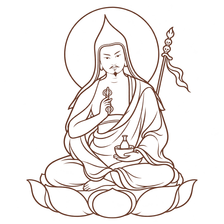
灌顶 Abhisheka
(Please Note: This is Chapter Ten in Journey without Goal.) Body of talk: 47 min. Questions: 25 min. Overall: 73 min. Date: August 2, 1974
(请注意:本讲对应《无目标之旅》第十章。)讲授:47分钟。提问:25分钟。总时长:73分钟。日期:1974年8月2日
导言 Introduction
Talk Five, “Transmission,” is much more about preparing oneself to receive transmission and the energy of transmission. This talk deals much more directly with the ceremony of abhisheka. It is an extremely powerful talk. .
第五讲“传授”,更多谈的是为接受传授作好自身准备,以及传授的能量。本讲则更直接地讨论灌顶仪式。这是一场极有力量的讲座。
基 Ground
The student’s trust in his or her own sanity, as well as trust in the lineage and the teacher, is the psychological preparation for abhisheka. The teacher also lays the ground for the ceremony of abhisheka with various preparations, including establishing an atmosphere that is free from spiritual materialism and genuinely based on the contemplative tradition.
学生对自身清明健全的信任,以及对传承和老师的信任,是接受灌顶的心理准备。老师也通过各种准备,为灌顶仪式奠定基础,其中包括营造一种没有精神唯物主义、真正以观修传统为基础的氛围。
- Trust in the tantric sense means the actual experience of trusting oneself and having compassion toward ourselves without any self-indulgence. Then situations become very workable. Struggle is a learning process and becomes the fuel for the flames of our energy.
- 密续意义上的信任,是信任自己、对自己怀有悲心而丝毫不放纵自己的实际经验。这样一来,各种处境就变得很容易应对。挣扎是一个学习的过程,也成为我们能量之火的燃料。
- This provides the ground for taking on further samayas, or commitments, to the teachings and to our root guru or vajra master, who actually gives us abhisheka.
- 这为我们进一步承担对教法,以及对实际给予我们灌顶的根本上师或金刚上师的三昧耶,也就是承诺,提供了基础。
- The teacher sets the date for the abhisheka and chooses the students who will participate. In Tibet, traditionally the date was set six months or so in advance. Students felt suspended for that period of time, not knowing exactly what to expect, although they were preparing. This was a powerful part of the experience. Also the chemistry of the group chosen to receive abhisheka was an important element.
- 老师确定灌顶的日期,并选择参与的学生。在西藏,传统上会提前六个月左右定下日期。在这段时间里,学生虽然在作准备,却并不确切知道会发生什么,感到悬而未定。这是经验中很有力量的一部分。此外,被选中接受灌顶的这群人之间的相互作用,也是一个重要因素。
- Corruption in the tradition in Tibet led to people regarding taking abhishekas like collecting stamps or important credentials. Jamgön Kongtrul the Great took many abhishekas but his attitude was completely different. He established the Ri-me school, which means “without bias,” as an ecumenical approach based on the genuine contemplative traditions, in order to create a powerful practicing lineage.
- 西藏传统中的腐败,使人们把接受灌顶看成集邮或收集重要资历。蒋贡康楚大师接受过许多灌顶,但他的态度截然不同。他创立了利美派,意为“无偏”,以真正的观修传统为基础,采取融通各派的方式,旨在建立一个强有力的实修传承。
- Jamgön Kongtrul’s approach has some similarities to the approach of George Fox, the founder of the Quaker school of Christianity.
- 蒋贡康楚的方式,与基督教贵格会创始人 George Fox 的方式,有一些相似之处。
- In Jamgön Kongtrul’s writings, he describes the proper way to treat tantric students in a ceremony of abhisheka. The real ceremony is providing a space for the meeting of two minds, rather than taking advantage of a student who is awestruck and doesn’t know what to expect.
- 蒋贡康楚在著作中描述了灌顶仪式上恰当对待密续学生的方式。真正的仪式,是为两颗心的相遇提供空间,而不是利用心怀敬畏、又不知道会发生什么的学生。
道 Path
In receiving abhisheka, the student should be guided with gentleness and kind attention, as a mother guides her infant to learn to drink milk and eat solid food. When this is done, the students are able to go from a basic experience of oneness to an ability to connect with the five buddha principles through the five parts of the outer abhisheka.
学生接受灌顶时,应当得到温柔、慈爱的关注与引导,就像母亲引导婴儿学习喝奶、吃固体食物一样。这样,学生便能通过外灌顶的五个部分,从基本的合一经验,发展到能够与五佛原理建立联系。
- The first abhisheka is the abhisheka of the jar or the vase, which is connected with purifying oneself. It is based on the practice of bathing in a river using a jar to scoop up water. Somewhat similar to Christian traditions of christening or baptism. Connected with vajra family.
- 第一种灌顶是罐或瓶的灌顶,与净化自身有关。它以在河里用罐舀水沐浴的做法为基础,有些类似基督教传统中的命名洗礼或洗礼。它与金刚部相联系。
- Having bathed, it is time to put on clean clothes. The second abhisheka is the crown abhisheka. The whole outer abhisheka is connected with the symbolism of coronation. Those receiving the abhisheka are like young princes and princesses. The crown that you receive has five prongs representing the five buddha families. Connected to ratna family
- 沐浴之后,就该穿上干净的衣服。第二种灌顶是宝冠灌顶。整个外灌顶都与加冕的象征意义相关。接受灌顶的人,就像年幼的王子和公主。你所接受的宝冠有五个尖,代表五佛部。它与宝部相联系。
- The third abhisheka is the abhisheka of the vajra. You are a young ruler, hanging out with nothing to do with your hands, so you are given a tantric toy: the vajra. It is both a weapon and a scepter. Connected with padma family.
- 第三种灌顶是金刚杵灌顶。你是一位年轻的统治者,闲待着,两手无事可做,于是得到一个密续玩具:金刚杵。它既是武器,也是权杖。它与莲花部相联系。
- The fourth abhisheka is the abhisheka of the ghanta, or bell. This signifies proclaiming. You have something to say. Connected with karma family
- 第四种灌顶是 ghanta 的灌顶,也就是铃灌顶。它象征宣告。你有话要说。它与羯磨部相联系。
- The fifth abhisheka is the abhisheka of name. The vajra master pronounces your tantric or secret name by ringing the bell, crossed by the vajra, above your head. Connected with buddha family.
- 第五种灌顶是名号灌顶。金刚上师在你头顶上摇响与金刚杵交叉的铃,念出你的密续名号或秘密名号。它与佛部相联系。
果 Fruition
Having received the abhisheka, there is an immense sense of psychological progress and change that takes place. We actually feel that we have become a ruler of some kind. There is a sense of graduating to the tantric world and being able to appreciate its richness directly.
接受灌顶之后,心理上会生起巨大的进展感与变化感。我们确实感到,自己成了某种统治者。有一种毕业后进入密续世界的感觉,能够直接领略其中的丰盛。
结语 Conclusion
[Some of this comes from the excellent questions and answers. The Vidyadhara speaks personally about his upbringing in Tibet. A real must see.] Abhisheka plays an extremely important part in the tantric literature and experience. You become part of the teachings and they become part of you. Then you are no longer an entity separate from the teachings. You are an embodiment of them.
[其中一部分内容来自精彩的问答。持明上师亲自讲述他在西藏成长的经历。确实不容错过。]灌顶在密续文献与经验中占据极其重要的位置。你成为教法的一部分,教法也成为你的一部分。于是,你不再是一个与教法分离的实体。你就是教法的体现。
听众提出的问题 Questions asked by the audience
1) Is there a correspondence between stages of an abhisheka and the ten bhumis?
1) 灌顶的各个阶段与十地之间有对应关系吗?
2) You said that you become a real person in the Vajrayana. How do you experience your feelings as a real person?
2) 您说,在金刚乘中,人会成为一个真实的人。作为一个真实的人,该如何体验自己的感受?
3) From your description of the abhishekas, it seems that there is still some individuality. Is that so?
3) 根据您对灌顶的描述,似乎仍然存在某种个体性。是这样吗?
4) How does abhisheka relate to the life example of Shakyamuni Buddha?
4) 灌顶与释迦牟尼佛一生的示范有什么关系?
5) Did Buddha receive abhisheka from someone? Did he have a spiritual friend? If not, why do we need one?
5) 佛陀曾接受过谁的灌顶吗?他有善知识吗?如果没有,为什么我们需要呢?
6) How much domain over the kingdom of subconscious gossip can one develop without a vajra master?
6) 没有金刚上师,一个人能在多大程度上掌控潜意识闲言碎语的王国?
7) Does the vajra master still sit?
7) 金刚上师还打坐吗?
8) This description of abhisheka stressed gentleness. Other talks emphasized panic and destruction. How do the two approaches relate?
8) 这次对灌顶的描述强调温柔。其他讲座则强调恐慌与摧毁。这两种方式有什么关系?
9) Aren’t there more than five divisions in some abhishekas?
9) 有些灌顶不是分为五个以上的部分吗?
10) You talked about trust tonight. In your book Mudra, you say, “Do not trust.” How do these two attitudes relate together?
10) 您今晚谈到了信任。在您的《手印》一书中,您说:“不要信任。”这两种态度有什么关系?